New Supreme Leader injured in war but safe, says Iran Presidents son
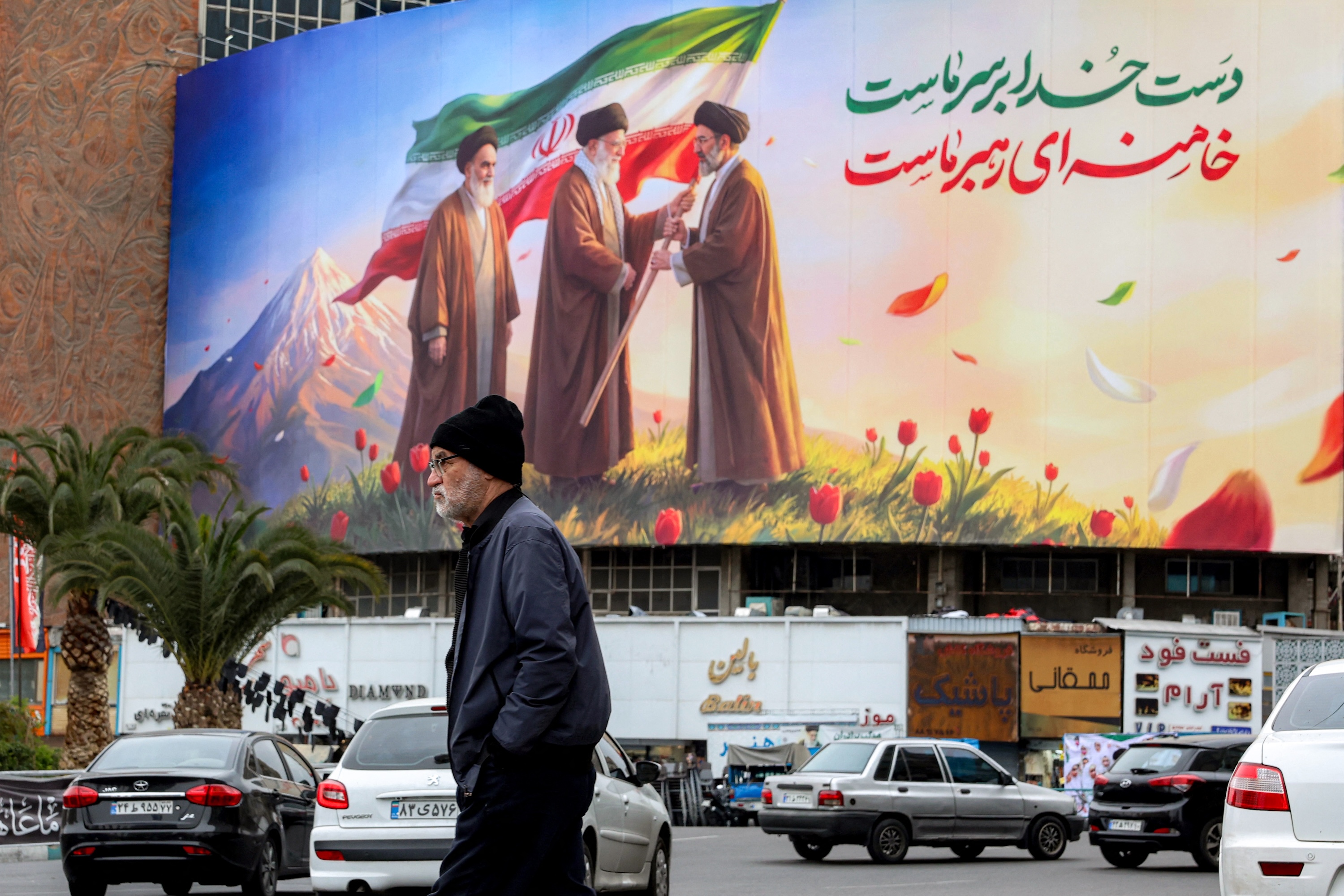
The son of Iran's president announced that the country's recently installed supreme leader was injured during an ongoing conflict but is currently in stable condition. The brief statement, made during a televised interview, has drawn immediate attention from regional analysts and international observers.
Background to the appointment
Following the death of the long‑standing supreme leader earlier this year, Iran's political establishment moved quickly to fill the vacancy. The new figure, a cleric with a reputation for hard‑line views, was formally confirmed by the Assembly of Experts after a closed‑door session that lasted several days. His rise was seen as a continuation of the existing ideological line, but also as a test of the country's ability to maintain internal cohesion amid external pressures.
The appointment came at a time when Iran was already dealing with heightened tensions on its borders, a struggling economy, and growing public discontent over restrictions on personal freedoms. Analysts warned that any misstep by the new leader could exacerbate existing fractures within the political system.
Details of the injury
According to the president's son, the supreme leader was wounded while visiting a frontline area in the northwest province where clashes between Iranian forces and an armed opposition group have intensified over the past month. The exact nature of the injury has not been disclosed, but sources close to the medical team say it was not life‑threatening.
The visit was intended to boost morale among troops and signal the government's resolve. Eyewitnesses reported that the leader was traveling in a convoy when a mortar shell landed nearby, causing shrapnel to strike his vehicle. Security personnel quickly extracted him and transported him to a field hospital, where he received emergency treatment.
In the interview, the president's son emphasized that the supreme leader’s condition is “stable and under close observation.” He added that the leader’s personal physician confirmed that there are no signs of serious complications. The spokesperson for the president’s office also called the incident “an unfortunate consequence of the ongoing security challenges” and urged the public to remain calm.
The state news agency released a short video showing the leader’s entourage returning to the capital, with the supreme leader seated comfortably and surrounded by senior officials. No medical details were provided, and the footage was edited to avoid showing any visible wounds.
Regional implications
The injury comes at a volatile moment for the Middle East. Iran’s involvement in neighboring conflicts, its support for proxy groups, and its strained relations with the United States and several Gulf states have kept the region on edge. A wounded head of state could be interpreted by adversaries as a sign of vulnerability, potentially encouraging them to increase pressure.
Conversely, supporters within Iran may view the leader’s willingness to visit the front lines as a sign of dedication, reinforcing his legitimacy among hard‑line constituencies. The incident may also rally nationalist sentiment, prompting a temporary surge in public support for the government.
Internationally, diplomatic channels are monitoring the situation closely. European foreign ministries have issued statements urging restraint and calling for a de‑escalation of hostilities. The United Nations has offered to facilitate humanitarian access to affected areas, citing concerns over civilian casualties.
Possible future scenarios
If the supreme leader recovers quickly, the government is likely to frame the episode as a testament to his resilience, using it to reinforce a narrative of steadfast leadership. In that case, policy directions may remain unchanged, with continued emphasis on regional influence and internal security.
Should his health deteriorate, succession plans could become a focal point of political maneuvering. The Assembly of Experts would be tasked with selecting another figure, potentially opening a window for reformist elements to push for a more moderate candidate. However, the entrenched conservative establishment may resist any shift, aiming to preserve the current ideological trajectory.
Another possibility is that the incident fuels internal dissent. Critics of the regime have long accused the leadership of prioritizing foreign adventures over domestic welfare. A high‑profile injury could amplify those criticisms, leading to increased protests or calls for accountability.
The president’s son’s reassurance that the newly appointed supreme leader is safe provides a momentary calming influence, but the broader implications remain uncertain. The incident highlights the precarious balance Iran must maintain between projecting strength abroad and managing internal stability at home. As the situation develops, regional actors and global powers will be watching closely to gauge how Iran’s leadership will respond to both the immediate health concerns and the longer‑term political ramifications.