New IKEA portable Bluetooth speaker arrives early
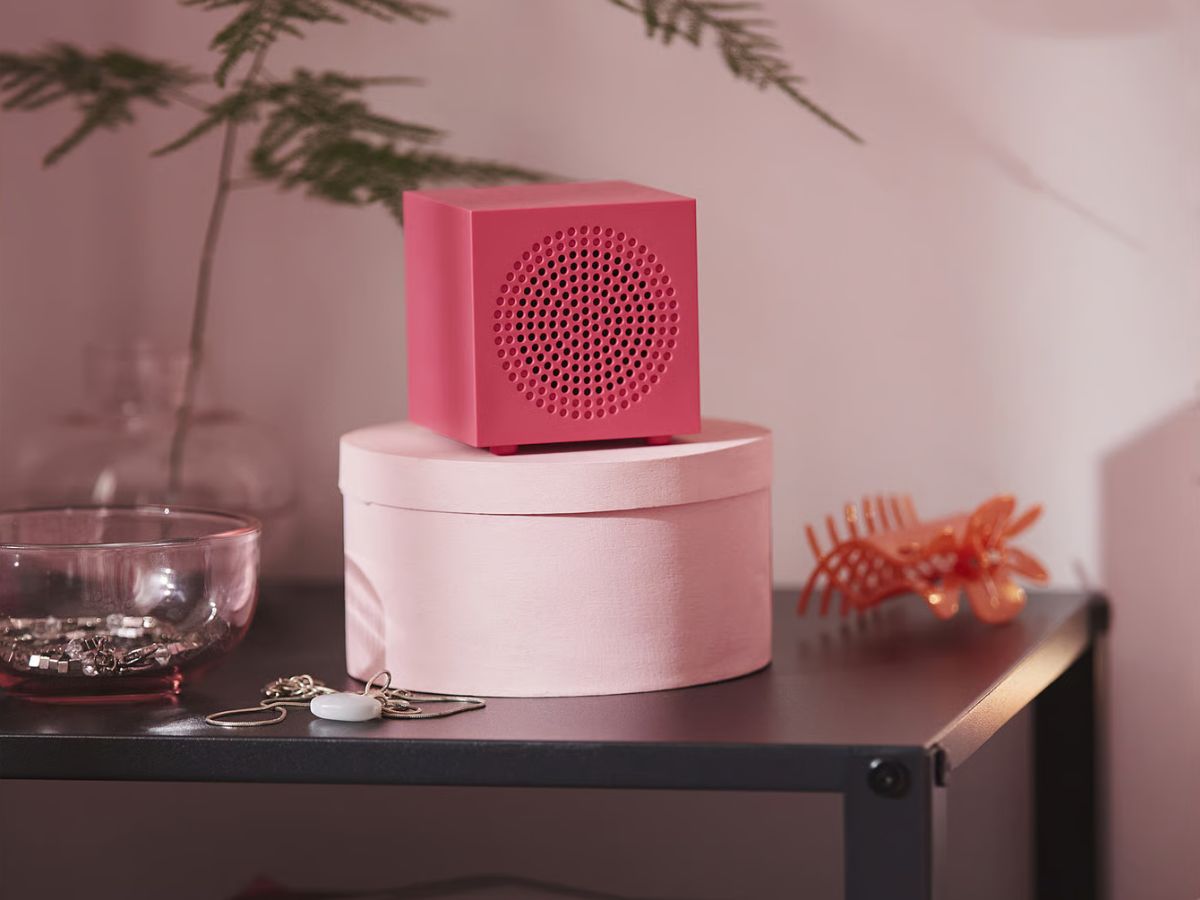
IKEA has added a new portable Bluetooth speaker to its product line, rolling it out several weeks ahead of the schedule announced at its recent product showcase. The compact device, marketed under the brand’s growing “Smart Home” range, promises high‑quality sound, a battery life of up to 12 hours and a design built from recycled materials. Early availability gives shoppers a chance to test the speaker before it reaches most markets, and it signals IKEA’s intent to compete more directly with established audio manufacturers.
A brief look at IKEA’s audio ambitions
IKEA entered the home‑audio market only a few years ago, initially offering simple wireless chargers and smart lighting. The move was part of a broader strategy to become a one‑stop shop for everyday living, extending the company’s reputation for affordable, functional design into the digital age. The new speaker is the latest step in that plan, combining the brand’s hallmark flat‑pack approach with modern connectivity.
The device arrives in a cardboard box that can be assembled with a single screwdriver, a nod to IKEA’s traditional DIY ethos. Inside, the speaker’s housing is made from 70% post‑consumer plastic and 30% sustainably sourced wood veneer, a blend that aims to reduce carbon footprint while keeping costs low. The company says the speaker meets its internal “Climate Positive” target for 2025, meaning the product’s overall environmental impact will be lower than the emissions generated during its production.
Features that set it apart
While the speaker’s dimensions—just 7 inches tall and 5 inches wide—place it firmly in the portable category, its technical specifications are competitive. It supports Bluetooth 5.2, delivering a stable connection up to 30 feet away. Dual drivers and a passive radiator work together to produce balanced mids and clear highs, with a claimed maximum output of 20 watts. A built‑in microphone enables voice‑assistant activation for popular platforms such as Google Assistant and Amazon Alexa.
Battery life is another selling point. IKEA advertises up to 12 hours of continuous playback on a single charge, and the unit includes a USB‑C port for fast charging. A small LED indicator shows charge status without being overly bright, preserving the speaker’s minimalist aesthetic.
Why the early launch matters
The speaker’s premature arrival is more than a marketing stunt. By releasing the product ahead of the usual rollout schedule, IKEA can gather real‑world usage data from a broader audience. This feedback loop helps the company fine‑tune software updates, improve voice‑assistant integration, and address any durability concerns before the product reaches larger markets.
Analysts also see the early launch as a test of consumer appetite for affordable, eco‑friendly audio gear. If sales meet expectations, IKEA could expand the line with larger models or integrate the speaker into its existing smart‑home ecosystem, allowing seamless control of lighting, heating and entertainment devices from a single app.
Market reaction and competition
Initial reports from stores in Scandinavia and a few European test markets show strong interest. Retail staff note that the speaker often sells out within hours of restocking, and customers cite the combination of price, design and sustainability as key factors. Online forums echo similar sentiments, with users praising the sound quality relative to the low price point.
The speaker enters a crowded field dominated by brands such as JBL, Bose and Sony, all of which offer portable Bluetooth options at higher price tiers. IKEA’s advantage lies in its global distribution network and its ability to bundle the speaker with other home‑goods purchases. For example, a shopper buying a new bookshelf can receive a discount coupon for the speaker, encouraging cross‑category sales.
Potential global impact
If the product succeeds, it could influence how other furniture retailers approach technology. Traditionally, electronics manufacturers have controlled the audio market, but IKEA’s entry demonstrates that a company known for flat‑pack furniture can compete on performance and sustainability. This may push competitors to adopt greener materials and simpler packaging to meet rising consumer expectations.
Moreover, the speaker’s affordability could expand access to high‑quality audio in regions where premium devices are out of reach. By pricing the unit below $50 in many markets, IKEA makes portable sound more inclusive, supporting the growing trend of remote work and outdoor leisure activities that rely on reliable audio playback.
IKEA has hinted at future updates, including a version with a detachable strap for easier transport and a model that integrates a small solar panel for off‑grid charging. The company’s long‑term roadmap suggests a deeper integration of smart‑home features, potentially allowing the speaker to act as a hub for controlling other IKEA‑branded devices.
For now, the early‑release speaker offers a glimpse of how the furniture giant plans to blend design, technology and sustainability. Its performance in the coming months will reveal whether IKEA can sustain momentum in a market traditionally dominated by electronics specialists. Regardless of the outcome, the product underscores a shift toward more environmentally conscious consumer electronics, a trend that is likely to shape industry standards worldwide.
- Affordability: Priced competitively, the speaker offers a budget‑friendly entry into Bluetooth audio. - Eco‑friendly design: Recycled plastic and wood veneer reduce environmental impact. - Portability: Compact size, long battery life and USB‑C charging make it suitable for travel. - Smart integration: Voice‑assistant support and potential future connectivity with IKEA’s smart‑home ecosystem.
Customers interested in a simple, sustainable audio solution now have a new option that aligns with IKEA’s broader vision of affordable, well‑designed living spaces. The early launch not only tests market demand but also sets a benchmark for how traditional retailers can innovate in the digital age.