Mumbai Coastal Road to become India’s first musical road, playing ‘Jai Ho’ for motorists
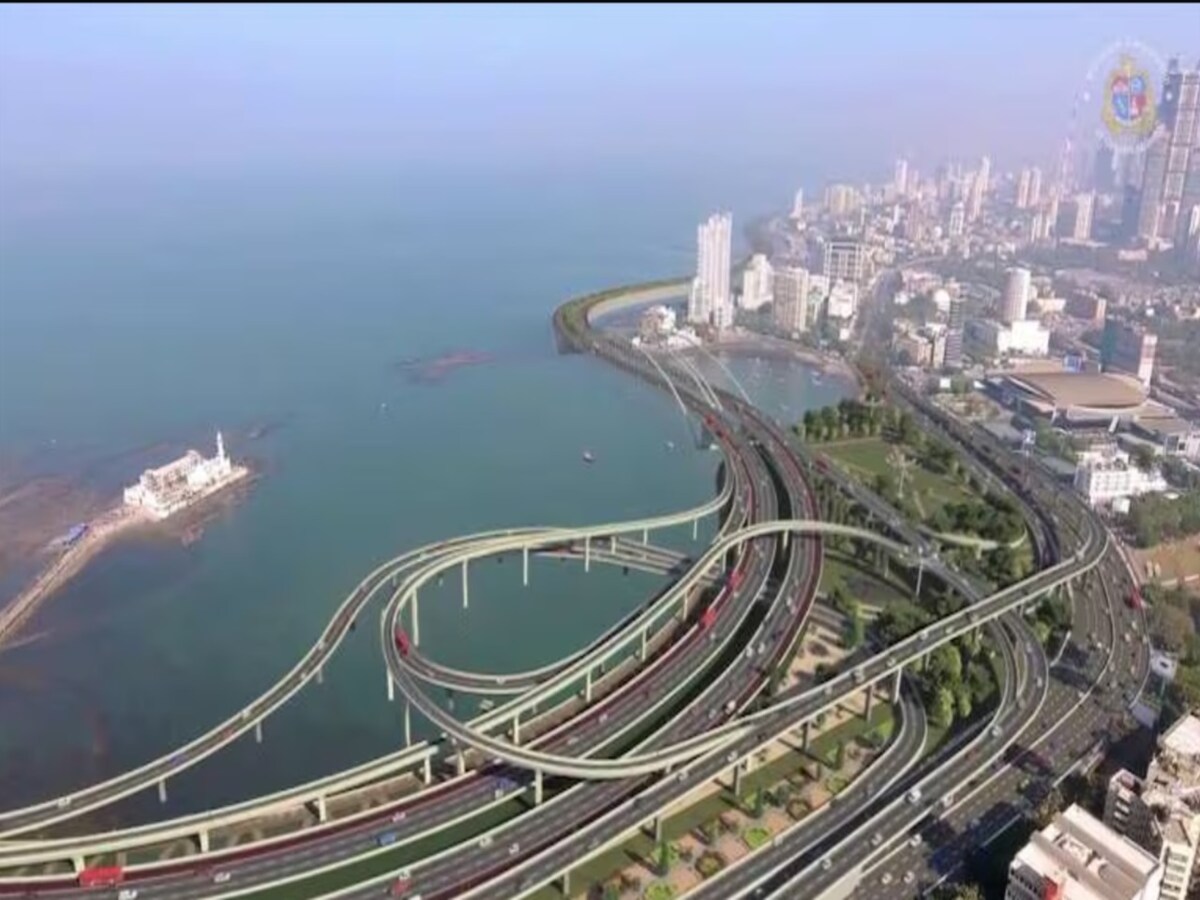
The newly completed stretch of Mumbai's coastal highway will soon surprise commuters with a familiar Bollywood melody. Engineers have embedded a series of specially designed grooves into the pavement that vibrate to produce the opening notes of the Oscar‑winning song “Jai Ho” as vehicles travel at a set speed. This makes the route the first musical road in India and one of the few worldwide that uses a popular film track to engage drivers.
Project Overview The 10‑kilometre coastal road, part of a larger effort to ease traffic congestion and provide a scenic alternative to the city’s inland arteries, opened to public use earlier this year. While its primary goal is to cut travel time between the suburbs and the business districts, the addition of a musical segment adds a cultural twist. The project is a collaboration between the Maharashtra State Road Development Corporation, local musicians, and a private technology firm that specializes in vibro‑acoustic road surfaces.
How the Musical Road Works The technology relies on a series of shallow, evenly spaced ridges cut into the road surface. When a vehicle’s tires roll over these ridges at roughly 45 km/h, the vibrations translate into a series of tones. By varying the spacing of the ridges, engineers can encode different pitches, creating a simple melody. In this case, the pattern was calibrated to reproduce the first eight bars of “Jai Ho.” The system does not require any electronic components or power sources; it is purely mechanical, making it low‑maintenance and durable against the monsoon climate.
Cultural Significance Choosing “Jai Ho” was a deliberate decision. The song, composed by A. R. Rahman, gained international fame after winning the Academy Award for Best Original Song in 2009. Its upbeat rhythm and uplifting lyrics have become synonymous with Indian pride on the global stage. By embedding this tune into everyday infrastructure, the authorities aim to celebrate national creativity while giving commuters a moment of joy amid rush‑hour traffic.
Safety and Traffic Impact Beyond novelty, the musical road serves a practical purpose. The embedded grooves act as a tactile speed‑control measure. Drivers who maintain the target speed experience a clear, pleasant sound, while those who exceed it hear a distorted version of the melody. Early trials indicated a modest reduction in speeding incidents along the test segment. Traffic safety experts note that auditory cues can complement visual signs, especially in areas where drivers may become distracted.
Economic and Tourism Prospects Local businesses are already planning to capitalize on the attraction. Cafés, souvenir stalls, and guided tours are being set up near the musical stretch, promoting it as a must‑see stop for both residents and visitors. The Maharashtra tourism board expects a boost in short‑term travel, especially from domestic tourists eager to experience the novelty. Similar projects in Denmark and Japan have shown that musical roads can generate media buzz and increase footfall for nearby attractions.
Future Plans and Global Context India’s foray into musical road technology follows successful implementations in Europe, Asia, and North America. The concept originated in Japan, where a “melody road” was installed in 2006 to alert drivers of a school zone. Since then, over a dozen countries have experimented with the idea, often using traditional folk songs or local anthems. The Mumbai project distinguishes itself by selecting a contemporary, internationally recognised track, signaling a blend of heritage and modernity.
Authorities are evaluating the possibility of expanding the concept to other high‑traffic corridors, such as the upcoming Eastern Peripheral Expressway and select sections of the Delhi‑Gurgaon stretch. If the Mumbai pilot proves successful in terms of safety metrics and public reception, it could pave the way for a network of musical roads across the nation.
Community Response Initial reactions from commuters have been mixed but largely positive. Many drivers report that the melody provides a brief, pleasant distraction that eases the monotony of daily travel. Some critics, however, caution that the novelty may wear off over time and stress the need for ongoing maintenance to keep the sound quality consistent. Local resident groups have also raised concerns about noise pollution, although the sound is confined to the vehicle cabin and does not project loudly into the surrounding environment.
Technical Challenges Creating a reliable musical road in a tropical coastal setting posed engineering hurdles. Salt‑laden air and heavy rainfall can degrade road surfaces faster than in inland regions. To address this, the contractors used a polymer‑enhanced asphalt mix that resists erosion while preserving the precise groove dimensions required for sound production. Routine inspections will be scheduled every six months to ensure the grooves remain within tolerance.
Conclusion The Mumbai coastal highway’s musical segment represents a creative intersection of infrastructure, culture, and safety. By turning a stretch of pavement into a living soundtrack, the project offers commuters a moment of shared enjoyment while subtly encouraging speed compliance. If the initiative meets its safety and economic targets, it could inspire other Indian cities to adopt similar designs, adding a new dimension to the country’s rapidly expanding road network. As the first of its kind in the region, the road invites both locals and visitors to experience a piece of Bollywood magic every time they drive along the shoreline.