Mohammed Deepak gets wave of support across India after news of his gym membership decline goes viral
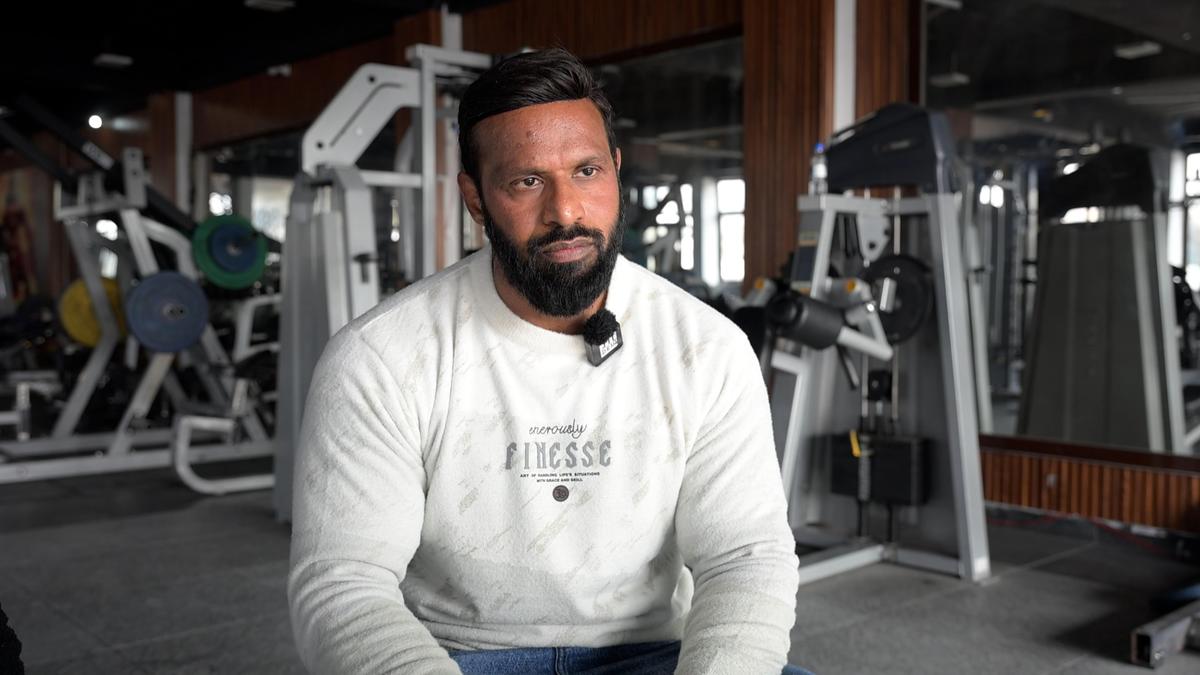
The fitness industry is feeling the pressure of a worldwide decline in gym memberships, and one Indian trainer’s story illustrates how the sector is adapting. Mohammed Deepak, a certified coach who runs a modest community gym in Hyderabad, has recently been granted financial and logistical assistance from both the Indian government and private partners. The move signals a broader shift toward supporting small‑scale fitness entrepreneurs as consumer habits change.
A market in transition
When the pandemic forced gyms to close their doors in 2020, many fitness centres pivoted to online classes. While some large chains managed to retain members through digital subscriptions, smaller neighbourhood gyms struggled to replace lost revenue. A 2023 report from the International Health, Racquet & Sportsclub Association (IHRSA) showed a 12% drop in global gym memberships compared with pre‑COVID levels. In India, the decline is even steeper; the Indian Fitness Industry Association estimates that more than 30% of independent gyms have either shut down or are operating at a loss.
The reasons are varied. Rising inflation has left many households cutting discretionary spending, and the convenience of at‑home workouts continues to attract users who prefer streaming services over paying for a physical space. As a result, the sector faces a talent drain, with experienced trainers seeking more stable employment.
Mohammed Deepak opened his gym, “FitPulse,” in 2017 with the goal of providing affordable, community‑focused training. The facility quickly became a hub for local residents, offering group classes, personal coaching, and a small health‑café. However, as membership numbers fell by nearly 40% over the past two years, Deepak found himself unable to cover rent, equipment maintenance, and staff salaries.
“I started with a vision of making fitness accessible to everyone in my neighbourhood,” Deepak said in a recent interview. “When people stopped coming, I realized I needed help, but I didn’t know where to turn.”
In response to growing concerns about the health impact of gym closures, the Ministry of Youth Affairs and Sports launched a pilot program in early 2024 aimed at rescuing small fitness businesses. The initiative provides low‑interest loans, tax rebates, and grants for equipment upgrades. Deepak’s application was approved under the “Community Fitness Revitalisation” scheme, granting him a ₹5 million (approximately $60,000) interest‑free loan and a 50% tax credit on utility bills for the next two years.
The ministry’s spokesperson explained that the program is part of a larger effort to combat rising obesity rates and sedentary lifestyles, especially among urban youth. “Healthy communities are essential for a productive nation,” the spokesperson said. “Supporting local trainers helps keep fitness affordable and culturally relevant.”
Private sector partnership
Alongside government aid, Deepak secured a partnership with a leading Indian sportswear brand, FlexFit. The company agreed to supply a set of refurbished treadmills and weight machines at no cost, and to feature FitPulse in its regional marketing campaign. In exchange, FlexFit will host monthly pop‑up events at the gym, showcasing new apparel and offering free trial classes.
Industry analysts view the partnership as a win‑win. “Brands are looking for authentic, grassroots connections with consumers,” noted Priya Sharma, a market researcher at Global Sports Insights. “By aligning with a trainer who already has community trust, FlexFit can deepen its market penetration while the gym gains much‑needed equipment and visibility.”
Why it matters globally
Deepak’s story is more than a local success; it reflects a pattern emerging in many countries where small fitness operators are seeking external support to stay afloat. In the United Kingdom, for example, the government introduced a “Fitness Futures” grant in 2023, while in Brazil, private‑public collaborations have helped community gyms reopen after pandemic‑related closures.
The health implications are significant. Regular physical activity reduces the risk of chronic diseases such as heart disease, diabetes, and certain cancers. When community gyms close, low‑income neighborhoods lose one of the few affordable venues for structured exercise. By preserving these spaces, governments and corporations can help curb long‑term public health costs.
Potential ripple effects
If the Indian pilot proves successful, it could be expanded nationwide. The Ministry has already indicated plans to allocate an additional ₹200 million for the next fiscal year, targeting gyms in tier‑2 and tier‑3 cities. Moreover, the model may inspire other sectors—such as dance studios, martial arts schools, and yoga centers—to seek similar assistance.
For trainers like Deepak, the support opens doors to new revenue streams. The loan will allow him to introduce hybrid classes that blend in‑person sessions with live‑streamed workouts, catering to members who still prefer home exercise. The partnership with FlexFit also creates opportunities for branded merchandise sales, further diversifying income.
While the assistance provides a lifeline, experts warn that sustainable recovery will require more than financial aid. “Gyms must innovate to meet changing consumer expectations,” said Sharma. “That means leveraging technology, offering flexible membership models, and building strong community ties.”
Deepak acknowledges the need for adaptation. He plans to launch a mobile app that lets members book classes, track progress, and access on‑demand tutorials. The app will also feature a loyalty program that rewards consistent attendance with discounts on the gym’s café menu.
The combined effort of government funding, corporate partnership, and entrepreneurial resilience offers a hopeful blueprint for the fitness industry’s future. As more trainers adopt hybrid models and receive targeted support, the sector could stabilize and even grow beyond pre‑pandemic levels.
For Mohammed Deepak, the assistance is more than a financial boost—it is validation of his belief that fitness should be a community right, not a luxury. “I’m grateful for the help, but the real work starts now,” he said. “We have to prove that a small gym can still make a big difference in people’s lives.”
The unfolding situation in India will be watched closely by policymakers and industry leaders worldwide, as they assess whether similar collaborative approaches can revive the global fitness ecosystem and keep health at the forefront of post‑pandemic recovery.