Modi Makes Rare Comment on Middle East As US Sinks Iran Warship
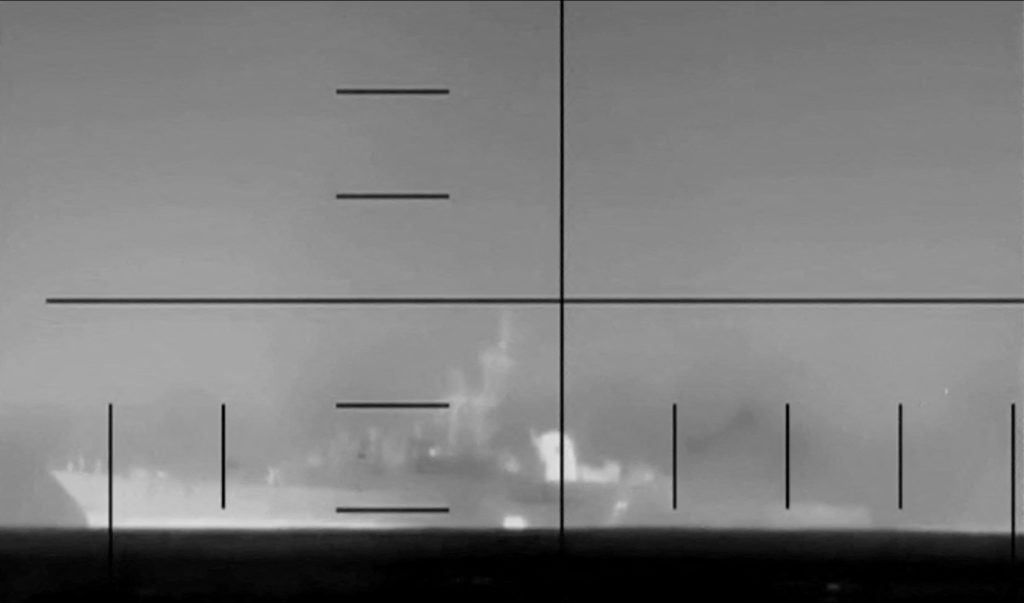
Indian Prime Minister Narendra Modi broke his usual diplomatic silence on the Middle East to address a sudden escalation after the United States destroyed an Iranian warship in the Gulf of Oman. The brief statement, delivered during a press interaction in New Delhi, underscored India’s concern for regional stability and the safety of its own maritime interests.
Background to the US‑Iran clash
On Thursday, a US Navy destroyer launched a missile that struck the Iranian frigate Sahand, which was reportedly heading toward the Strait of Hormuz. The US said the ship had ignored multiple warnings and posed an imminent threat to commercial shipping. Iran, for its part, condemned the attack as an act of aggression and vowed retaliation.
The incident marks the most direct naval confrontation between the two powers in more than a decade. While the US has repeatedly warned Iran about dangerous maneuvers in the narrow waterway, Tehran has accused Washington of interfering in the region’s affairs and of targeting Iranian vessels without provocation.
Why Modi chose to speak up now
India has long maintained a delicate balancing act in the Middle East. It imports about 80 percent of its oil from the Gulf, relies on the region’s shipping lanes for trade, and hosts a sizable diaspora in countries such as the United Arab Emirates, Saudi Arabia and Oman. Any disruption to the flow of oil or to maritime traffic can quickly affect India’s economy.
Historically, Indian leaders have avoided taking sides in US‑Iran disputes, preferring quiet diplomacy and back‑channel talks. Modi’s decision to comment publicly signals a shift toward a more vocal stance when Indian interests appear threatened.
When asked about the US strike, Modi said, “India watches the developments in the Middle East with great concern. Stability in the region is essential for global trade and for the safety of all nations that depend on these sea routes.” He added that India “urges all parties to exercise restraint, avoid escalation and return to dialogue.”
The Prime Minister did not single out either the United States or Iran, but his emphasis on restraint and dialogue was read by analysts as a subtle reminder that India expects the conflict not to spill over into a broader war.
Global implications of the naval encounter
The Gulf of Oman and the nearby Strait of Hormuz are among the world’s most critical chokepoints for oil transport. Roughly a fifth of global petroleum passes through the strait each day. A prolonged standoff could trigger spikes in oil prices, affect energy‑dependent economies, and strain supply chains already under pressure from geopolitical tensions.
The United States, which maintains a naval presence in the region to protect commercial shipping, sees the strike as a warning to Iran against further provocations. Iran, meanwhile, has hinted at possible asymmetric responses, such as targeting commercial vessels or deploying smaller fast‑attack craft.
European nations, Japan and China have all issued statements calling for calm. The United Nations has offered to mediate, though its influence in the Gulf remains limited.
How India might respond
India’s immediate concern is the safety of its merchant fleet, which regularly transits the Gulf of Oman on its way to Europe and the United States. The Ministry of Shipping has already instructed Indian vessels to follow the guidance of naval escorts and to stay alert for any sudden changes in the security environment.
In the longer term, New Delhi may look to deepen its naval cooperation with regional partners. India and the United Arab Emirates have recently signed a maritime security agreement that includes joint patrols and information sharing. Similar arrangements with Oman and Qatar could provide additional layers of protection for Indian ships.
India also maintains a strategic dialogue with the United States, known as the “2+2” format (defence and foreign affairs ministers). While the conversation is expected to continue behind closed doors, Modi’s public remarks suggest that New Delhi wants to keep the United States aware of Indian sensitivities.
Possible future scenarios
If the confrontation remains limited to a single incident, the impact on global oil markets may be short‑lived. However, a series of tit‑for‑tat actions could quickly raise the risk of a broader naval clash. Analysts warn that even a brief shutdown of the Strait of Hormuz would push oil prices upward by several dollars per barrel, affecting everything from gasoline to airline tickets.
For India, a prolonged disruption could force the country to seek alternative oil routes, such as the longer journey around the Cape of Good Hope, which would increase freight costs and affect the balance of trade.
Diplomatic efforts are likely to intensify. The United Nations Security Council may convene an emergency session, while major powers could push for a cease‑fire agreement that includes monitoring mechanisms.
What the statement means for Indian foreign policy
Modi’s comment reflects a broader trend of India taking a more assertive role on the world stage. Over the past few years, New Delhi has expanded its diplomatic outreach to the Middle East, Africa and the Pacific, while also building a more capable navy.
By publicly urging restraint, India signals that it will not stay silent when regional turbulence threatens its economic interests. At the same time, the measured tone shows a desire to avoid being drawn into a direct confrontation between the United States and Iran.
The US sinking of an Iranian warship has reignited tensions in a region already fraught with rivalry and mistrust. Prime Minister Narendra Modi’s rare public comment underscores India’s stake in maintaining calm and safe maritime routes. As the world watches how the United States and Iran navigate the aftermath, India is likely to keep a close eye on developments, ready to protect its trade lifelines while urging all sides back to dialogue. The coming days will reveal whether diplomatic channels can prevent a wider conflict, or whether the Gulf of Oman will become the flashpoint for a new chapter of naval rivalry.