Middle East conflict: UP village with roots of Khomeini bloodline in grief
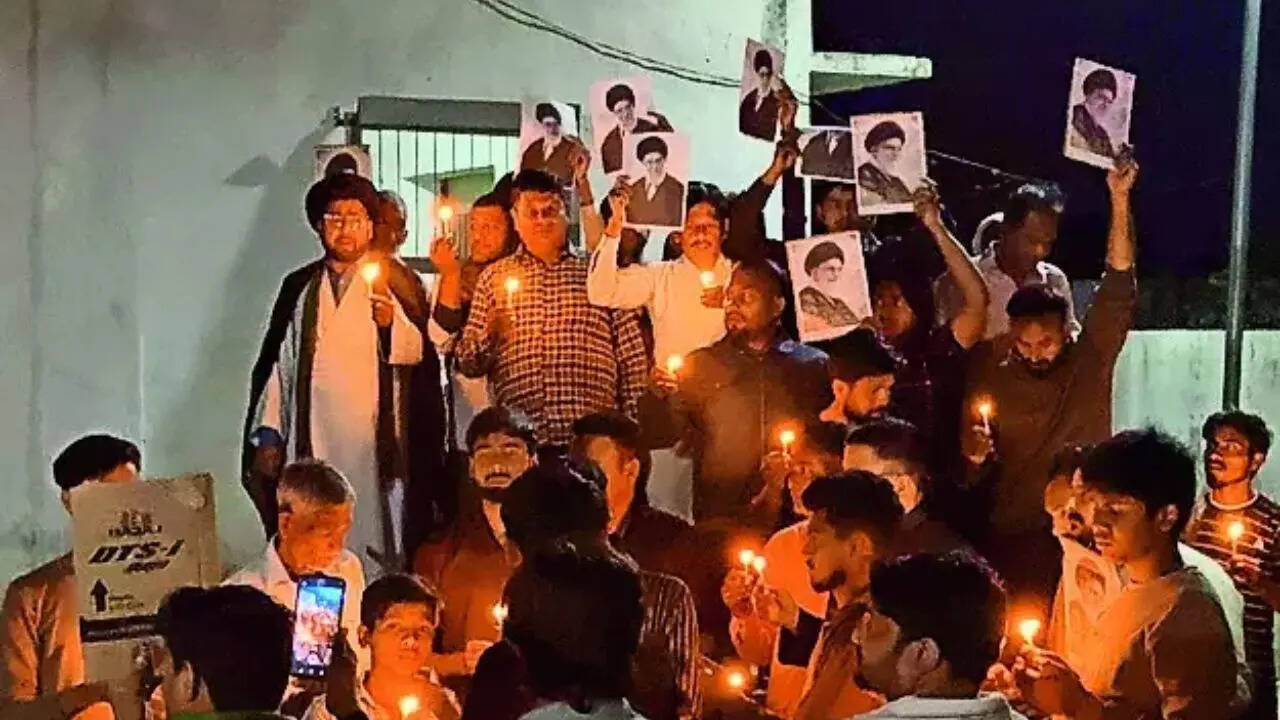
A quiet hamlet in Uttar Pradesh is feeling the shock of a war that is thousands of kilometres away. Residents who trace their ancestry to the family of Iran’s former revolutionary leader are grieving the loss of relatives and friends caught in the current Middle East conflict. Their sorrow highlights how distant wars can ripple through communities far beyond the battlefield.
A village with a unique heritage
The settlement, known locally as Mirpur Khomeini, was founded in the early 20th century by a group of migrants who claimed descent from the Khomeini clan. Over generations the families kept the connection alive through oral histories, religious practices and occasional visits to Iran. Though the village is small—just a few hundred households—it has become a cultural bridge between India’s heartland and the Persian revolutionary legacy.
The Khomeini lineage in Mirpur is not officially documented, but the community’s sense of identity is strong. Local elders recount stories of ancestors who served as scholars in Tehran, and many households display photographs and calligraphy that reference the late Ayatollah. The village’s mosque, built in the 1960s, bears a plaque that honors the family’s contribution to Islamic education in the region. This deep‑rooted link makes the events unfolding in the Middle East feel personal rather than abstract.
How the war reached the doorstep
When fighting erupted in the Gaza Strip, news traveled quickly through satellite TV, social media and word of mouth. In Mirpur, the reaction was immediate. Families gathered in the mosque’s courtyard to watch live broadcasts, and prayers were offered for the safety of those in the conflict zone. Within days, several villagers received phone calls from relatives living in Iran, Iraq and the Gulf states, reporting casualties among extended family members.
One resident, 58‑year‑old Zahra Begum, described the moment she learned that her cousin in Tehran had been injured during an airstrike. “I felt the pain as if it happened in my own home,” she said, her voice trembling. “The news was not just on a screen; it was a call that shook our entire community.”
The grief was compounded by the fact that many of the village’s younger men had traveled abroad for work, some to the United Arab Emirates and Qatar, where they now face travel restrictions and heightened security checks. Their families are left in limbo, unsure whether loved ones will return safely.
Why the grief matters beyond borders
The sorrow in Mirpur underscores a broader reality: conflicts in the Middle East are not isolated events. They affect diaspora communities, trade routes, and even political sentiment in distant nations. In India, the sizable Muslim population includes people with familial ties to Iran, Iraq, Palestine and other regions. When violence erupts, it can influence public opinion, community relations and, at times, diplomatic posture.
Analysts note that the emotional response in villages like Mirpur can translate into increased advocacy for humanitarian aid, calls for ceasefire, and pressure on governments to mediate. The Indian government, while maintaining a neutral stance in the conflict, has faced petitions from community groups seeking a stronger diplomatic voice. The situation illustrates how grassroots grief can become a catalyst for broader civic engagement.
Moreover, the connection between a small Indian village and a historic Iranian family highlights the lingering impact of the 1979 Iranian Revolution, which reshaped political dynamics across the Muslim world. The Khomeini name still carries symbolic weight, and its presence in an Indian context reminds observers that historical ties continue to shape contemporary identities.
Possible paths forward
Local leaders in Mirpur have begun organizing support networks to help families cope with loss and uncertainty. A committee of elders and youth volunteers has set up a counseling centre within the mosque, offering emotional support and practical assistance such as food distribution for those whose breadwinners are stranded abroad.
At the same time, community members are reaching out to NGOs that specialize in cross‑border humanitarian work. By partnering with organizations that operate in the conflict zone, they hope to send relief packages and medical supplies to relatives in need. These efforts demonstrate a proactive approach, turning grief into constructive action.
On a larger scale, the situation in Mirpur may encourage policymakers to consider the human dimension of foreign conflicts more carefully. When distant wars cause tangible pain in a far‑flung village, the argument for diplomatic engagement gains a personal face. Some experts suggest that acknowledging the emotional toll on diaspora communities could lead to more nuanced foreign‑policy decisions, including support for peace talks and increased humanitarian funding.
The road ahead remains uncertain. The war in the Middle East shows no signs of a quick resolution, and families in Mirpur continue to live with the anxiety of missing relatives and the fear of further escalation. Yet the village’s response—marked by solidarity, prayer and a willingness to help—offers a glimpse of resilience.
For the people of Mirpur Khomeini, the conflict is not a distant headline; it is a lived reality that touches their homes, their prayers and their future. Their story reminds the world that wars reverberate far beyond the front lines, weaving into the fabric of communities that, on the surface, seem unrelated. As the global conversation about the Middle East continues, the voices from this small Uttar Pradesh village add a human dimension that is often missing from geopolitical analysis.
In the weeks and months to come, the village’s grief may evolve into advocacy, aid and perhaps a call for lasting peace. Whether that call reaches the corridors of power or remains a quiet prayer in a courtyard, it stands as a testament to the interconnectedness of our modern world.