'Mental decolonisation': Bust of Chakravarti Rajagopalachari replaces Lutyens at Rashtrapati Bhavan
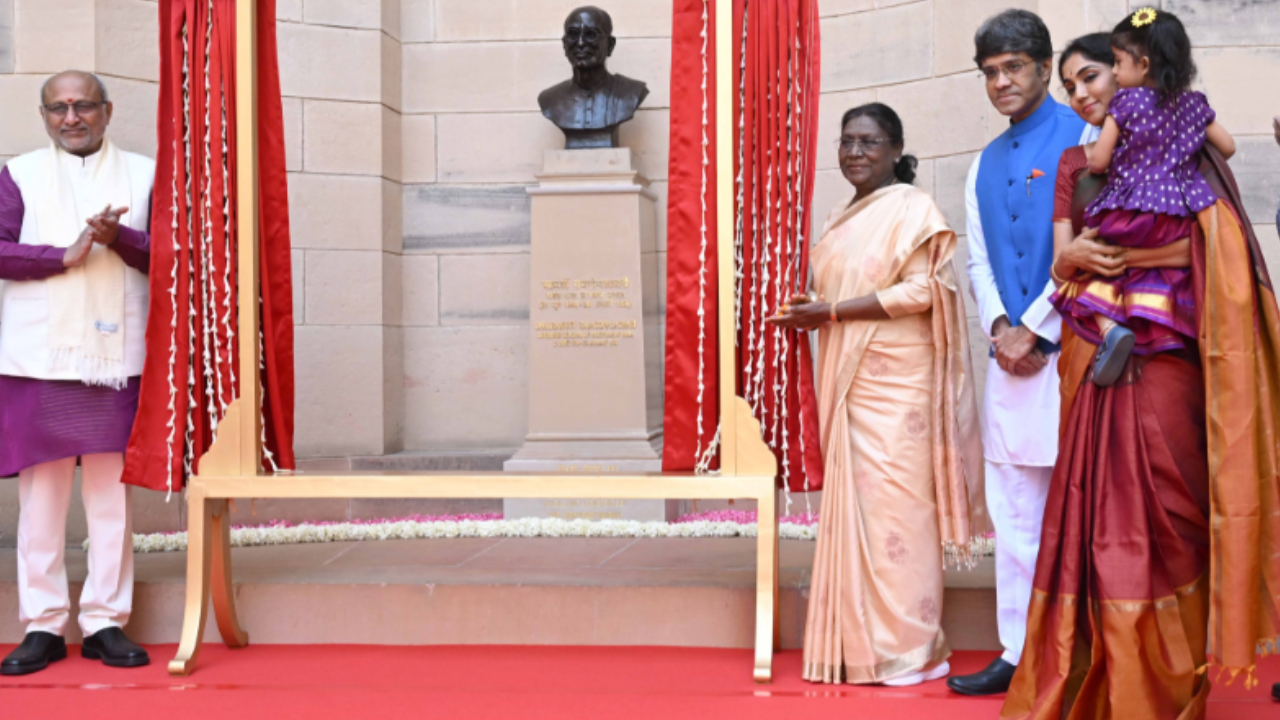
The Indian president's official residence has received a new centerpiece: a bronze bust of Chakravarti Rajagopalachari now stands where a statue of British architect Edwin Lutyens once did. The change, announced by the Ministry of Culture, is part of a broader effort to rethink colonial symbols in public spaces.
Edwin Lutyens designed much of New Delhi’s central vista after India gained independence in 1947. His name is linked to the iconic Rashtrapati Bhavan, the Parliament House, and several government buildings. For decades, a marble bust of Lutyens occupied a prominent niche in the palace’s garden, symbolising the architectural legacy left by the British Empire.
Chakravarti Rajagopalachari, commonly known as Rajaji, was a lawyer, writer, and the last Governor‑General of independent India. He was a close associate of Mahatma Gandhi, a staunch advocate of civil liberties, and the founder of the Swatantra Party, which championed free‑market ideas in the early years of the republic. His contributions to the independence movement and to the shaping of modern India have earned him a place among the nation’s most respected leaders.
The decision to replace Lutyens’ bust was taken after a series of consultations with historians, cultural experts, and civil‑society groups. Officials said the move reflects a “mental decolonisation” process – an effort to shift public memory away from colonial narratives and toward indigenous perspectives. The new bust, cast in bronze and standing about three feet tall, was unveiled in a modest ceremony attended by the president, senior ministers, and representatives of the Rajaji family.
The replacement was not a removal of Lutyens from the site entirely. The architect’s name remains on the building’s plaque, and a small informational board now explains his role in designing the capital. The board also notes the rationale for the change, emphasizing that history can be re‑interpreted without erasing it.
India’s decision arrives at a time when many countries are reassessing monuments that celebrate colonial or oppressive pasts. In the United Kingdom, statues of slave‑owners have been taken down; in the United States, Confederate monuments are being removed or relocated. The Indian move is unique because it replaces a foreign architect with a native political leader, rather than simply removing a statue.
Supporters argue that the bust of Rajaji better reflects the values of an independent nation. They point out that the president’s residence is a place where the country’s identity is displayed to visiting heads of state, and that the new symbol sends a clear message about India’s priorities.
Critics caution against a simplistic erasure of history. Some historians warn that removing colonial symbols without contextual explanation can create a vacuum that hinders public understanding of the complex past. Others worry that the move could set a precedent for further changes that might be driven more by politics than by scholarly consensus.
International observers have noted the development as part of a growing trend toward decolonising public spaces. A cultural analyst in London described the act as “a symbolic yet powerful statement that India is reclaiming its narrative.” Meanwhile, scholars in South Africa, who have grappled with similar issues, see India’s approach as a potential model for balancing remembrance with renewal.
The change has also drawn attention from the tourism sector. Guides in Delhi now include the bust in their walking tours, explaining both Lutyens’ architectural influence and Rajaji’s political legacy. Early feedback suggests that visitors appreciate the added layer of storytelling.
The Ministry of Culture has indicated that this is the first step in a series of reviews of colonial-era symbols across government properties. A committee is being formed to examine statues, plaques, and place names that may no longer align with contemporary values. The committee will include historians, legal experts, and community representatives to ensure a balanced assessment.
If the review leads to further changes, India could see a reshaping of its visual landscape in capitals, universities, and public parks. Such a transformation could influence how younger generations learn about the nation’s past, potentially fostering a stronger sense of ownership over their heritage.
At the same time, the debate highlights the challenges of reconciling respect for historical accuracy with the desire to promote a post‑colonial identity. The conversation in India mirrors a global dialogue about whose stories are told in stone and bronze, and who gets to decide.
Replacing the Lutyens bust with that of Chakravarti Rajagopalachari marks a deliberate shift in how India presents its history to the world. It underscores a growing willingness to confront colonial legacies while celebrating home‑grown leaders. As other nations watch, the outcome of India’s broader review may offer valuable lessons on navigating the delicate balance between remembrance and renewal.