Mass burial of students in Iran: Haunting photos mired in false fact
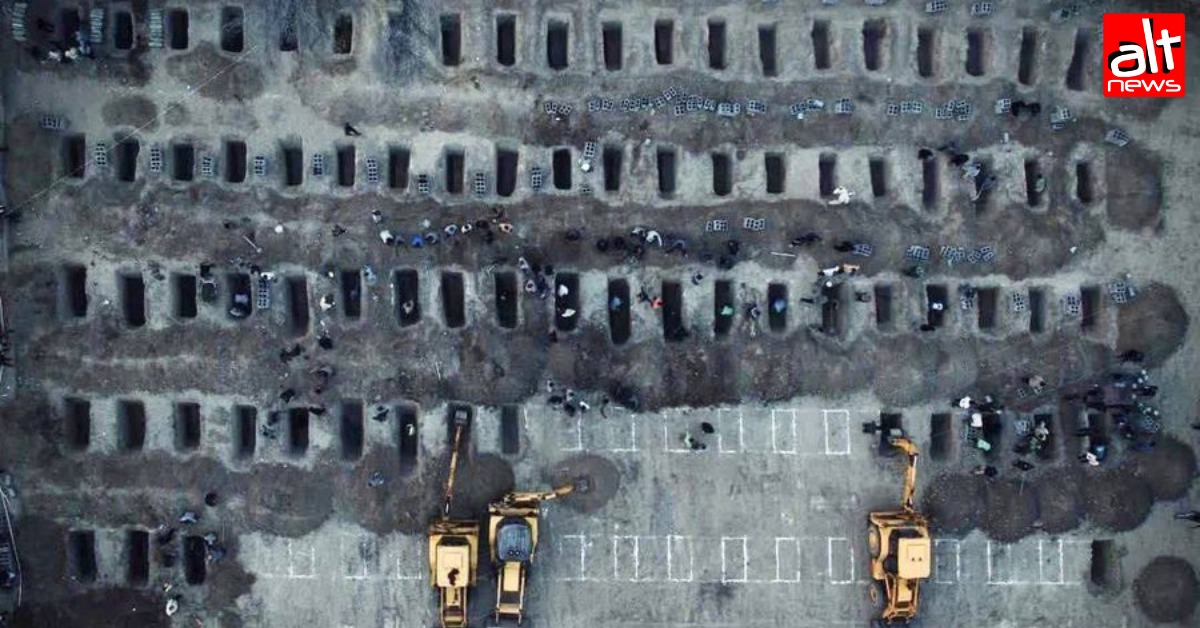
An image circulating online shows dozens of bodies stacked in a shallow pit, allegedly the remains of university students killed during recent protests in Iran. The picture has been shared thousands of times, accompanied by captions that claim the government is covering up a mass burial. Independent fact‑checking teams, however, have traced the photograph to a 2015 documentary about a flood‑related disaster in a different region of the country, confirming that the visual evidence does not support the claim.
Background to the protests
Since the start of the year, Iranian students have taken to the streets to demand greater academic freedom, lower tuition fees, and broader political reforms. Demonstrations have been met with a heavy security response, leading to arrests, injuries, and a handful of reported deaths. The intensity of the unrest has drawn worldwide attention, prompting governments, human‑rights groups, and media outlets to monitor the situation closely.
The image first appeared on a popular messaging app, quickly spreading to social‑media platforms with hashtags such as #IranBurial and #StudentLives. Captions described the scene as a “mass grave of university students” and warned that the authorities were attempting to hide the true scale of the crackdown. The graphic nature of the photo made it especially shareable, fueling emotional reactions and calls for international intervention.
How the image was verified
Two independent fact‑checking organisations launched parallel investigations. By reverse‑searching the picture, they located the original video clip in a 2015 Iranian documentary about the 2013 floods that devastated the Mazandaran province. The clip shows rescue workers moving bodies recovered from a riverbank, not a burial site for protest victims. Frame‑by‑frame analysis confirmed that the background landmarks, clothing styles, and lighting match the 2015 footage, not the current protest locations.
The organisations also consulted local journalists who confirmed that no mass burial of students has been reported by credible sources. Hospital records, university statements, and official death registries released during the same period show only a limited number of protest‑related fatalities, none of which involve a collective interment.
Reactions from officials and the public
Iranian authorities have denied the existence of any mass grave, describing the circulating image as “fabricated propaganda” intended to tarnish the nation’s image abroad. The Ministry of Information released a statement urging citizens to rely on verified news outlets and warning that the spread of false visuals could endanger public order.
Among the public, reactions are split. Some users expressed outrage and demanded accountability, while others called for caution, noting that misinformation can undermine legitimate calls for reform. International observers, including several NGOs, have reiterated the need for transparent investigations into protest‑related deaths, emphasizing that false claims do not diminish the importance of genuine human‑rights concerns.
Why the false claim matters globally
Misinformation about conflict zones can have several harmful effects. First, it distracts from verified incidents that require urgent attention, such as documented arrests and documented injuries. Second, it can inflame diplomatic tensions, prompting foreign governments to issue statements based on inaccurate data. Third, repeated exposure to fabricated graphic content may desensitize audiences, reducing the impact of authentic reports of suffering.
In the case of Iran, the false burial narrative risks shaping international policy on sanctions, humanitarian aid, and diplomatic engagement on the basis of an unverified event. Accurate information is essential for policymakers who must balance pressure on the Iranian government with the need to avoid unintended consequences for the broader population.
Possible future developments
Fact‑checkers say they will continue to monitor visual content linked to the Iranian protests, especially as new footage emerges from citizen journalists. Social‑media platforms have been urged to improve their labeling systems for potentially misleading images, adding context or linking to verified reports.
Human‑rights organisations have announced plans to request an independent inquiry into all protest‑related deaths, seeking to document the exact number of casualties and the circumstances surrounding each case. If the inquiry confirms additional fatalities, it could renew calls for targeted international action.
Meanwhile, Iranian students continue to organize campus meetings, online campaigns, and peaceful demonstrations. Their demands focus on academic autonomy, reduced tuition, and broader political freedoms. The persistence of the movement suggests that, regardless of the false burial claim, the underlying grievances remain unresolved.
The viral photograph of a supposed mass burial of Iranian students is a clear example of how quickly unverified visuals can spread and shape public perception. While the image itself is unrelated to the current protests, the broader issue of student‑led dissent in Iran is real and ongoing. Accurate reporting and diligent fact‑checking are essential tools for ensuring that genuine human‑rights concerns receive the attention they deserve, without being clouded by fabricated evidence. As the situation evolves, both domestic activists and the international community will need reliable information to guide their responses and support a peaceful resolution.