March 12 update: Air India, Air India Express operate 58 West Asia flights; IndiGo resumes 9 routes
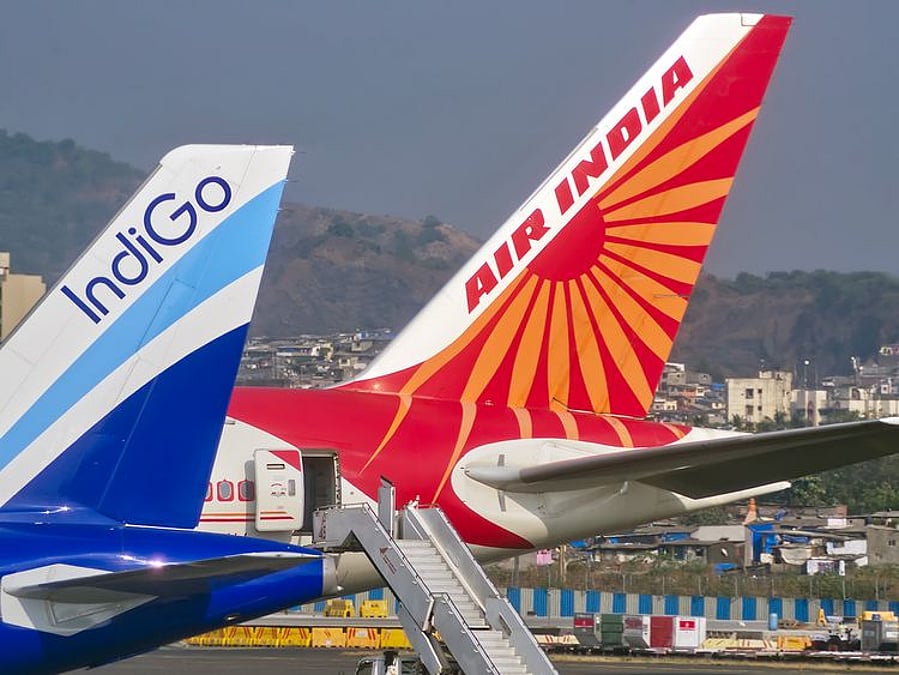
Air India and its low‑cost arm, Air India Express, have increased their presence in West Asia, operating a total of 58 flights across the region. At the same time, IndiGo has brought back nine previously suspended routes, adding more options for passengers traveling between South Asia and the Middle East.
Expanded West Asia Network
The two carriers announced that they will collectively run 58 weekly flights to destinations such as Dubai, Abu Dhabi, Muscat, Doha, and Bahrain. The schedule includes a mix of full‑service and budget services, allowing travelers to choose between premium cabins and economy‑only fares. The added frequencies cover major business hubs as well as secondary airports, which helps spread passenger traffic more evenly and reduces congestion at the busiest terminals.
Air India’s strategy focuses on strengthening its long‑haul connections, especially to the United Arab Emirates, where a large Indian diaspora resides. By adding more slots and larger aircraft, the airline hopes to capture a bigger share of the high‑yield business and VFR (visiting friends and relatives) market. Air India Express, meanwhile, concentrates on short‑haul routes that feed into the parent airline’s network, offering a seamless transfer experience for passengers heading to Europe or North America via the Gulf.
Industry analysts note that the move comes after a period of reduced capacity caused by pandemic‑related travel restrictions and rising fuel costs. Both airlines have been working to rebuild confidence among travelers by improving on‑time performance and enhancing health safety measures. The new schedule also reflects a broader trend of airlines re‑balancing their route maps to focus on markets with strong demand recovery.
IndiGo's Route Restoration
IndiGo, India’s largest low‑cost carrier, has reinstated nine routes that were temporarily halted. The restored services include flights to Riyadh, Jeddah, Kuwait City, and several secondary cities in Saudi Arabia and the United Arab Emirates. IndiGo’s decision to resume these routes follows a careful review of passenger load factors and revenue performance during the suspension period.
The airline’s CEO emphasized that the restoration aligns with IndiGo’s goal of providing affordable, reliable connectivity for both leisure and business travelers. By re‑opening these routes, IndiGo aims to tap into the growing demand for budget travel among Indian expatriates and tourists who prefer cost‑effective options over full‑service carriers.
In addition to the nine routes, IndiGo has announced plans to increase flight frequencies on existing services to match the surge in demand observed during peak travel seasons. The carrier is also exploring the use of newer, fuel‑efficient aircraft to keep operating costs low while maintaining competitive fares.
Implications for Travelers and Trade
The expanded flight offerings from Air India, Air India Express, and IndiGo have immediate benefits for passengers. More seats mean greater flexibility in choosing travel dates and times, while competition among the three airlines is likely to keep fares competitive. For the sizable Indian community living in the Gulf, the increased capacity provides easier access to home during holidays and important cultural events.
Beyond passenger convenience, the enhanced air links support trade and investment between South Asia and West Asia. Air cargo capacity is expected to rise as airlines allocate belly‑hold space for freight on the added flights. This development could help Indian exporters of perishable goods, pharmaceuticals, and textiles reach Gulf markets faster, while also facilitating the import of raw materials needed by Indian manufacturers.
Tourism boards in both regions have welcomed the news, citing the potential for a boost in inbound tourism. With more direct connections, travel agencies can offer packaged tours that combine cultural experiences in India with desert adventures in the Middle East, creating new revenue streams for hotels, restaurants, and local attractions.
The move by these airlines signals a broader recovery in international aviation after several years of volatility. While fuel prices remain a concern, the willingness of carriers to invest in additional capacity suggests confidence in sustained demand. Experts predict that the West Asia corridor will continue to be a focal point for growth, given its strategic location and the economic ties between the two regions.
Regulators in India and the Gulf states have been working together to streamline visa processes and improve airport infrastructure, which should further enhance the attractiveness of the routes. In the long term, the airlines may consider adding new destinations beyond the current list, potentially opening direct links to emerging markets in Africa and Central Asia.
For consumers, the key takeaway is that more flight options are becoming available at affordable prices. Travelers are encouraged to compare schedules and fares across the three airlines to find the best fit for their needs. As competition intensifies, airlines are likely to introduce promotional offers, loyalty programs, and ancillary services that add value without inflating ticket costs.
Overall, the expansion of Air India, Air India Express, and IndiGo’s West Asia operations marks a positive step toward restoring pre‑pandemic connectivity levels. The increased frequency, route diversity, and competitive pricing are set to benefit passengers, businesses, and the broader economy, reinforcing the importance of air travel as a catalyst for regional integration.