Man With Shotgun And Fuel Can Enters Trump's Mar
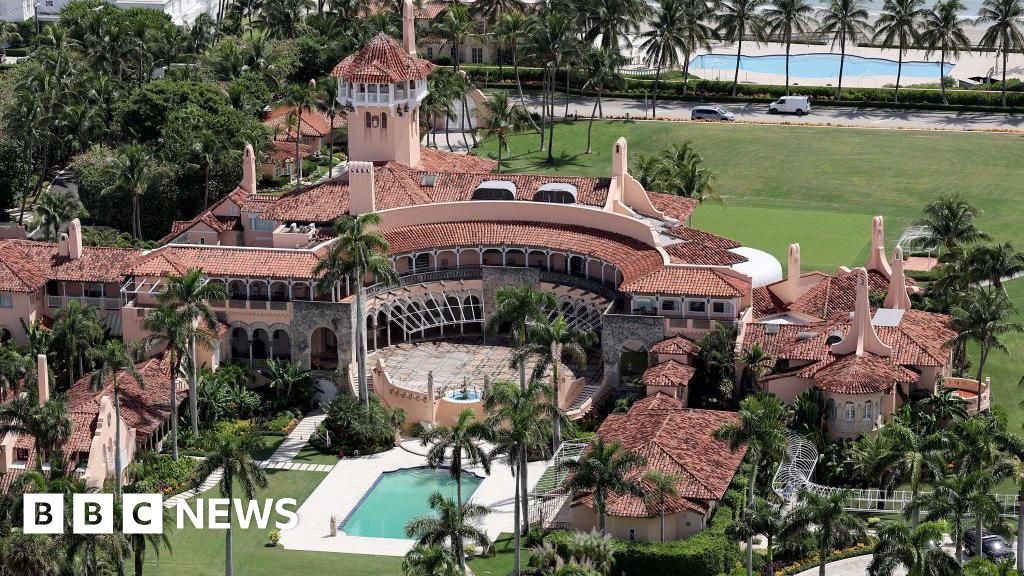
A man armed with a shotgun and a gasoline can was stopped after entering the grounds of former President Donald Trump’s Mar‑a‑Lago resort. The incident, which unfolded in the early hours of the day, triggered an immediate lockdown, a rapid police response, and a flurry of statements from law‑enforcement officials.
Security cameras captured the individual walking through a side gate that had been left ajar. He carried a 12‑gauge shotgun slung over his shoulder and a metal fuel can that appeared to be filled. Witnesses reported hearing the clink of the can as he moved along the paved pathway toward the main building.
A patrol officer on duty noticed the man and ordered him to stop. When the suspect did not comply, the officer activated an alarm that alerted the resort’s private security team and the local police department. Within minutes, a squad of officers arrived, secured the area, and detained the man without further incident.
Mar‑a‑Lago’s security protocol calls for an immediate lockdown when a weapon is sighted on the property. All staff were instructed to stay inside, and visitors were escorted to a safe location. The resort’s private security, trained to work alongside local law‑enforcement, coordinated the evacuation of guests from the immediate vicinity.
Police officials confirmed that the suspect was taken into custody and that the shotgun was safely removed. The fuel can was also seized for evidence. No injuries were reported, and the resort reopened later in the day after a thorough sweep of the premises.
Legal and political context
The man is expected to face multiple charges, including unlawful entry, possession of a firearm on private property, and possession of a potentially hazardous material. Prosecutors have indicated that the case will be pursued aggressively, given the high‑profile nature of the location.
The incident arrives at a time when security at political and celebrity estates is under intense scrutiny. Critics have long argued that private properties owned by former officials receive preferential treatment, while supporters contend that the same security standards apply to all private owners.
International reactions
News of the breach quickly spread beyond U.S. borders. Media outlets in Europe and Asia highlighted the event as a reminder of the challenges faced by high‑profile figures in protecting their private residences. Some foreign commentators linked the incident to broader concerns about gun violence and the accessibility of firearms.
In a brief statement, a diplomatic source from a European country noted that the event underscores the need for consistent security measures worldwide, especially for sites that attract public attention.
Potential implications
The breach raises several questions about the effectiveness of existing security measures at Mar‑a‑Lago and similar properties. First, the fact that a side gate was left open suggests a lapse in routine checks. Second, the presence of a fuel can indicates that the suspect may have intended to create a larger threat, prompting authorities to review protocols for hazardous materials.
Law‑makers and security experts are likely to examine whether additional federal guidelines should be introduced for private estates that host political events. Some legislators have already called for a review of the Secret Service’s role in protecting former officeholders and their properties.
The suspect will appear before a judge within the next 48 hours, where bail and additional charges will be determined. Investigators are reviewing surveillance footage, interviewing witnesses, and tracing the origin of the fuel can to establish motive.
Meanwhile, Mar‑a‑Lago’s management has announced a comprehensive security audit. The resort plans to install additional lighting, reinforce gate controls, and increase the number of on‑site security personnel during public events.
The incident also serves as a reminder that private venues, even those owned by prominent individuals, remain vulnerable to unexpected threats. As authorities continue to investigate, the case may influence how security is approached at similar locations across the country.
While the event did not result in violence, it highlights the delicate balance between public access and personal safety for high‑profile figures. The swift response prevented a potentially dangerous situation from escalating, and the legal process will likely set a precedent for handling similar breaches in the future.
In an era where security concerns dominate public discourse, this episode reinforces the importance of vigilance, robust protocols, and coordinated efforts between private security teams and law‑enforcement agencies. The outcome of the investigation and subsequent policy discussions will be closely watched by both security professionals and the general public.