Major opportunities for AI in jobs and governance, says MeitY Secretary S. Krishnan
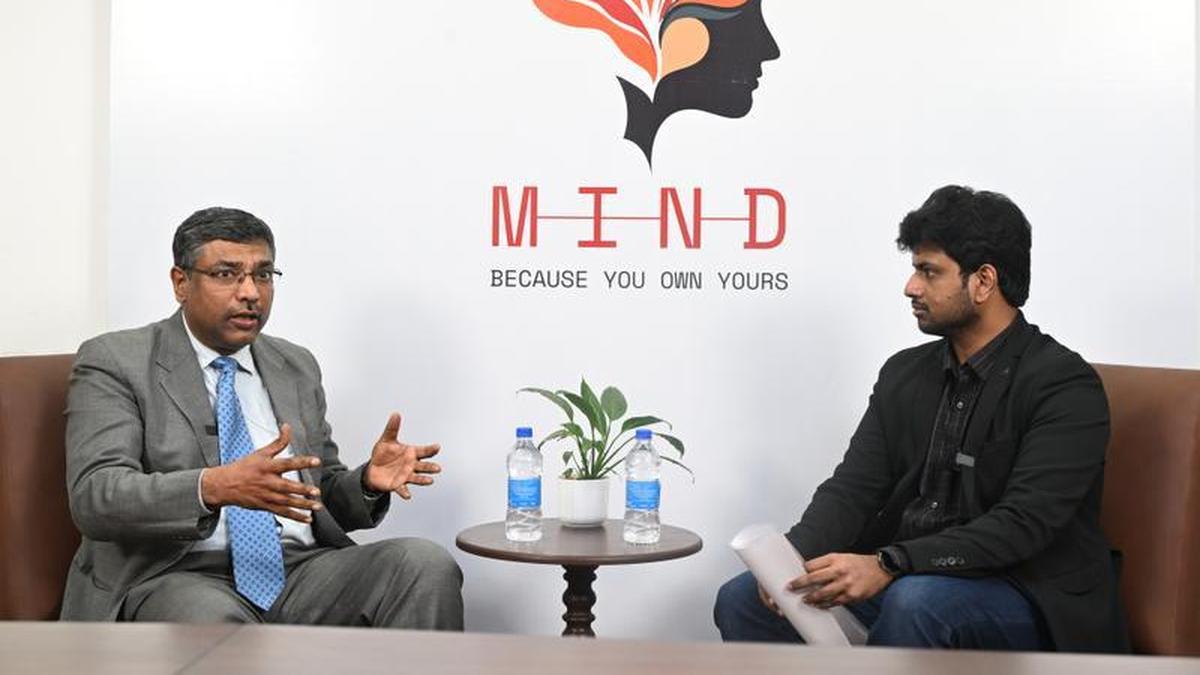
The head of India's Ministry of Electronics and Information Technology, S. Krishnan, told a gathering of industry leaders and policymakers that artificial intelligence could become a catalyst for both job creation and more efficient government services. He emphasized that the technology is no longer a futuristic concept but a practical tool that can address skill gaps, improve public delivery, and open new career paths across the country.
India has been investing heavily in digital infrastructure, from broadband expansion to the rollout of 5G networks. These initiatives have laid the groundwork for AI to move from pilot projects to large‑scale deployment. Krishnan pointed out that the country’s young demographic – over half of the population is under 30 – provides a ready pool of talent that can be up‑skilled for AI‑related roles. At the same time, the public sector faces pressure to deliver services faster and more transparently, a challenge that AI‑driven analytics and automation can help meet.
AI and the labour market
According to recent surveys, AI could directly generate millions of new jobs in areas such as data annotation, model training, and AI system maintenance. Krishnan highlighted three sectors where demand is already rising: health‑tech, agritech, and fintech. In health‑tech, AI tools are being used to triage patients, predict disease outbreaks, and assist doctors with diagnostic imaging. This creates roles for data scientists, AI ethicists, and technical support staff. Agritech firms are deploying machine‑learning models to forecast weather, optimise irrigation, and detect crop diseases, opening opportunities for rural youth trained in digital skills. Fintech companies are leveraging AI for fraud detection, credit scoring, and personalised financial advice, which in turn requires a workforce versed in both finance and technology.
Bridging the skill gap
Krishnan warned that the supply of qualified professionals must keep pace with demand. He urged universities, vocational institutes, and private training providers to align curricula with industry needs. "We need modular courses that can be completed quickly, certifications that are recognized across sectors, and hands‑on projects that mirror real‑world problems," he said. The ministry plans to launch a national AI skilling platform that will offer free online modules, mentorship, and job‑matching services. The platform aims to reach 10 million learners within the next three years.
Improving governance with AI
Beyond employment, Krishnan stressed that AI can transform how governments operate. Predictive analytics can help officials allocate resources more efficiently, for example by forecasting traffic congestion or identifying areas at risk of water scarcity. Automation of routine tasks – such as processing tax returns, managing land records, or answering citizen queries – can free up civil servants to focus on policy formulation and service improvement.
He cited a pilot program in a southern state where an AI‑enabled chatbot reduced average response time for public grievances from five days to under an hour. In another example, machine‑learning models helped a municipal corporation predict waste‑collection routes, cutting fuel costs by 15 percent. These case studies illustrate how AI can deliver tangible savings and better outcomes for citizens.
Krishnan acknowledged that rapid AI adoption raises concerns about privacy, bias, and accountability. He called for a clear regulatory framework that balances innovation with safeguards. The ministry is drafting guidelines that will require transparency in algorithmic decision‑making, regular audits for bias, and mechanisms for redress when AI systems cause harm. He also emphasized the need for public awareness campaigns so that citizens understand both the benefits and the risks of AI.
India’s push mirrors efforts in other large economies that see AI as a strategic asset. The United States, the European Union, and China have each announced national AI strategies focusing on research, talent development, and ethical standards. Krishnan suggested that collaboration on standards, data sharing, and joint research could accelerate progress worldwide. "AI challenges do not respect borders," he said. "A coordinated approach will help us tackle climate change, health crises, and economic inequality together."
The secretary concluded with a call to action for all stakeholders – from startups and multinational corporations to academic institutions and civil society groups. He urged them to view AI not merely as a technology but as an engine for inclusive growth. By investing in people, establishing responsible policies, and deploying AI where it can have the greatest impact, India hopes to set an example for other nations seeking to harness the same potential.
- AI is expected to create millions of jobs in health‑tech, agritech, and fintech. - A national skilling platform will aim to train 10 million learners by 2029. - Government pilots show AI can cut service response times and operational costs. - Ethical guidelines and transparency are being built into the AI rollout. - International cooperation is essential for setting standards and sharing benefits.
Krishnan’s remarks signal a shift from experimental AI projects to a coordinated national effort. If the outlined plans are executed, the coming decade could see a more skilled workforce, faster public services, and a stronger position for the country in the global AI landscape.