LPG shortage news LIVE: Govt asks households with piped gas to give up cylinders as panic buying continues
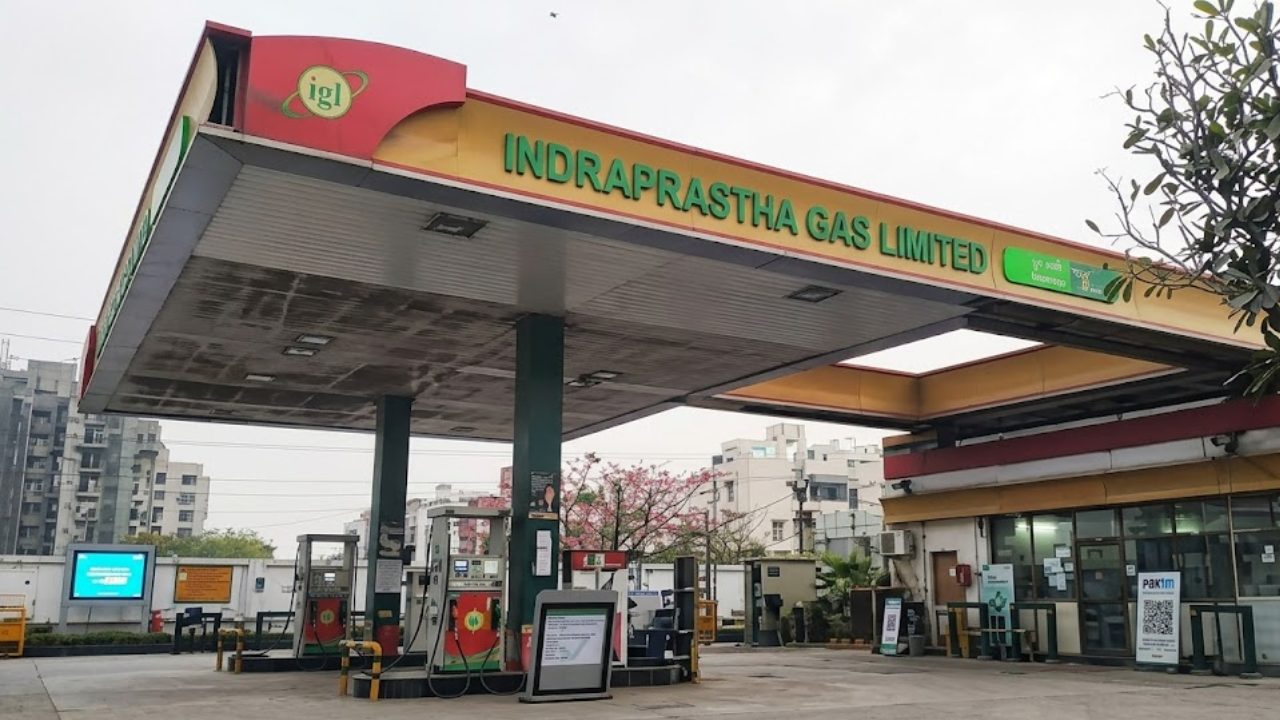
The government has issued an urgent request for households that receive piped natural gas to hand over their LPG cylinders. The move comes as panic buying pushes the country’s liquid petroleum gas reserves to critically low levels.
Why the call matters now
In recent weeks, retailers have reported a sharp rise in cylinder purchases, far exceeding normal seasonal demand. Shelves that once held a steady supply of 14‑kg and 19‑kg cylinders are now empty in many towns. The surge is linked to rumors of a supply crunch, which have spread quickly through social media and word of mouth. When consumers fear a shortage, they tend to stock up, creating a self‑fulfilling cycle that strains the market even further.
Background on the LPG market
LPG, a by‑product of oil refining and natural‑gas processing, is a key energy source for cooking, heating and small‑scale industry in the region. The country imports most of its LPG, relying on a handful of long‑term contracts with overseas suppliers. Over the past year, global refinery output has been uneven due to maintenance shutdowns, geopolitical tensions, and fluctuating demand from the automotive sector, which also uses LPG as a fuel.
Domestically, the government has been promoting piped natural gas to reduce dependence on cylinders. However, many rural and peri‑urban areas still lack pipeline coverage, keeping LPG as the primary cooking fuel for millions. The recent request therefore targets a specific group: homes that already have a permanent gas line but also keep a backup cylinder for emergencies.
What the government is asking
Officials have asked residents with piped gas connections to voluntarily surrender any LPG cylinders they keep in storage. The surrendered cylinders will be collected by authorized dealers and returned to the central distribution hub. In exchange, households will receive a voucher that can be used later when the market stabilises. The policy is presented as a temporary measure, intended to free up stock for families that have no other cooking option.
The appeal is backed by a public‑information campaign that stresses the collective benefit of sharing limited resources. Television spots, radio jingles and online posts explain how each returned cylinder adds a few more days of supply for those in need.
Economic and social implications
The shortage is not just a household inconvenience; it has broader economic repercussions. Small food vendors, street stalls and informal eateries rely heavily on LPG for quick meal preparation. When cylinders become scarce, these businesses either raise prices or shut down temporarily, affecting daily wages for a large segment of the informal economy.
On a macro level, the strain on LPG imports adds pressure to the trade balance. The country already faces a widening current‑account deficit, and any sudden surge in import costs can ripple through inflation rates. Energy‑price volatility also influences monetary policy decisions, as central banks monitor consumer price trends closely.
The situation mirrors similar episodes in other import‑dependent nations. In several Southeast Asian markets, a combination of pandemic‑related lockdowns and supply‑chain disruptions led to temporary LPG scarcities. Internationally, the price of LPG has risen by more than 30 % over the past six months, driven by higher demand in Europe and Asia as countries transition away from coal.
These global price pressures highlight the interconnected nature of energy markets. A shortage in one region can quickly affect stock levels elsewhere, especially when shipping routes are congested or when freight rates spike.
Possible future steps
Analysts suggest that the current crisis could accelerate the government’s push for alternative energy solutions. Expanding the piped natural‑gas network, investing in biogas projects and encouraging the adoption of electric induction cooktops are among the options being discussed.
In the short term, authorities are also reviewing import contracts to secure additional shipments. Some private distributors have announced plans to bring in extra containers from neighboring countries, albeit at higher freight costs.
Consumer groups are calling for clearer communication to prevent panic buying from recurring. Transparent updates on stock levels, expected arrival dates for new shipments and clear guidelines on rationing could help calm the market.
What households can do
While the government’s request is voluntary, experts advise residents to consider the broader community impact before hoarding cylinders. If a household already has a reliable piped‑gas connection, returning the backup cylinder can free up supply for families without any alternative. Using the voucher system later ensures that the household can still access LPG when needed, without contributing to the current shortage.
Energy‑conservation tips, such as cooking with lids on pots, using pressure cookers and planning meals to minimise cooking time, can also stretch the available fuel.
The LPG shortage serves as a reminder of the fragility of single‑source energy supplies. As the world moves toward diversified energy mixes, countries that depend heavily on imports will need robust contingency plans. Strengthening domestic production, diversifying import partners and building strategic reserves are likely to become higher priorities for policymakers.
For now, the government’s appeal aims to balance immediate needs with longer‑term stability. Whether the voluntary return of cylinders can alleviate the current crunch remains to be seen, but the episode underscores the importance of coordinated action between authorities, suppliers and consumers in managing essential resources.
The situation is evolving, and further updates are expected as new shipments arrive and demand patterns shift.