LNG Shipping Rates Soar 650% to $300,000 Per Day
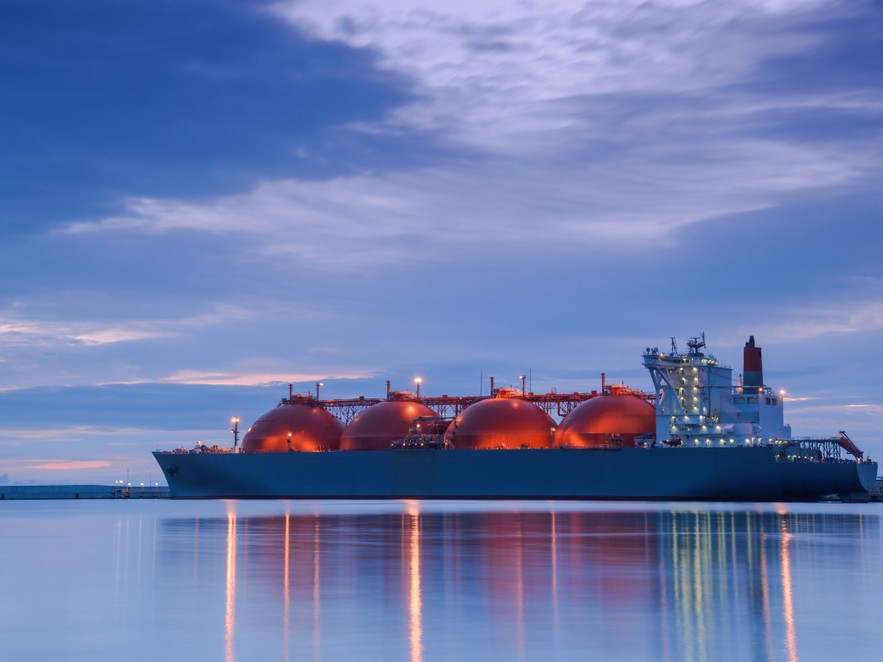
The cost to hire a liquefied natural gas (LNG) carrier has exploded, climbing more than six‑fold to roughly $300,000 for a single day of service. The jump is reshaping how traders, utilities and ship owners plan their operations, and it signals a shift in the economics of the global gas trade.
Over the past few months, the daily charter price for a standard 170,000‑cubic‑metre LNG vessel has moved from about $45,000 to the current $300,000 level. The increase represents a 650 percent surge, the sharpest rise in charter rates seen in the market’s modern history. The spike is not limited to a single vessel type; even smaller 120,000‑cubic‑metre ships are seeing daily rates above $200,000.
Factors Driving the Surge
Several forces have converged to push prices skyward. First, demand for LNG has accelerated as Europe seeks to replace coal and oil with cleaner‑burning fuel amid ongoing geopolitical tensions. Seasonal spikes in winter heating needs have added urgency to the market.
Second, the global fleet of LNG carriers is relatively tight. Only about 600 vessels are in active service, and many are already booked on long‑term contracts that run for three to five years. New builds take three to four years to complete, limiting the ability of ship owners to respond quickly to sudden demand.
Third, a series of unexpected outages at key liquefaction plants in the United States and Qatar reduced the volume of cargo available for shipment. The shortfall forced shippers to compete fiercely for the limited number of vessels that could move the remaining cargo.
Finally, financial markets have added pressure. Investors have poured capital into LNG projects, driving up the price of charter contracts as traders hedge against future supply constraints. The combination of higher spot rates and stronger forward pricing has created a feedback loop that lifts daily charter fees across the board.
Implications for Energy Markets
The rise in charter costs reverberates through the entire LNG supply chain. For buyers, higher transportation fees translate into increased landed prices for the gas itself. Utilities that rely on imported LNG to meet peak‑load requirements may see their operating costs rise by 10‑15 percent, a figure that could be passed on to consumers in the form of higher electricity bills.
Producers, on the other hand, gain a new source of revenue. When charter rates climb, they can negotiate higher freight terms in long‑term sales contracts, improving the economics of marginal projects that might otherwise be uneconomic.
The shipping sector also feels the impact. Vessel owners are now able to command premium earnings, prompting a wave of interest from private equity firms and pension funds looking to invest in the niche market. At the same time, the high rates are encouraging shipyards to accelerate the construction of new LNG carriers, potentially expanding the fleet by 10‑15 percent over the next five years.
What the Future May Hold
Analysts caution that the current level of charter rates may not be sustainable. As new vessels enter service, the supply‑demand balance could improve, easing price pressure. However, any further disruptions at liquefaction hubs or spikes in demand—such as a colder-than‑expected winter in Europe or a surge in Asian gas consumption—could keep rates elevated.
In the medium term, the market is likely to see a shift toward longer‑term charter agreements. Buyers seeking price certainty are expected to lock in rates for multiple years, while owners will prefer the stability of fixed‑term contracts over volatile spot markets.
The price surge also highlights the strategic importance of diversified energy sources. Countries that invest in domestic gas production, renewable power or energy storage may reduce their exposure to volatile shipping costs. For the industry as a whole, the episode underscores the need for greater flexibility in fleet management and a more resilient supply chain.
The unprecedented rise in daily charter fees for LNG carriers reflects a perfect storm of tight vessel supply, heightened demand and market speculation. While the immediate effect is higher costs for gas buyers and higher earnings for ship owners, the longer‑term impact could reshape investment patterns, fleet composition and the overall dynamics of the global gas market. Stakeholders across the energy spectrum will be watching closely to see whether the surge stabilizes or continues to drive new opportunities and challenges.