Live. Iran fires its biggest barrage on Qatar, targets UAE in latest missile and drone strikes
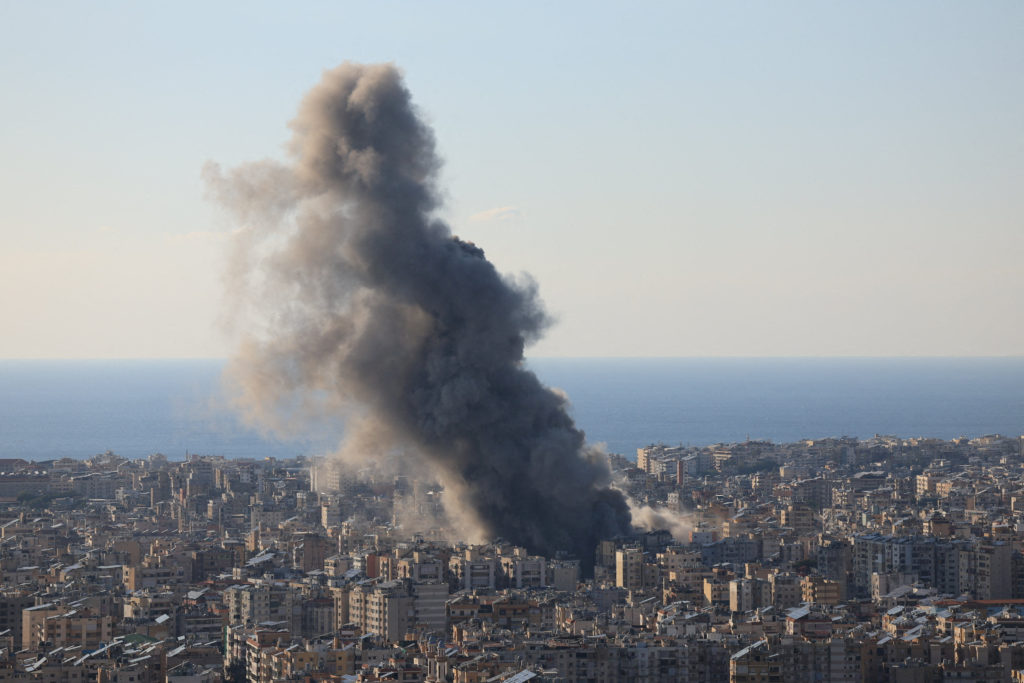
Iran unleashed a coordinated wave of missiles and unmanned aerial vehicles that struck multiple sites in Qatar and the United Arab Emirates. The barrage, described by regional officials as the most extensive attack Iran has carried out against its Gulf neighbours, caused damage to infrastructure, triggered emergency alarms and heightened fears of a broader conflict.
Background to the escalation
Tensions between Tehran and several Gulf states have been building for months. Iran has repeatedly condemned what it calls hostile policies by Qatar, the UAE and their allies, accusing them of supporting opposition groups and of allowing foreign military bases near its borders. In response, Tehran has stepped up its military drills, deployed advanced missile systems and issued warnings that any perceived aggression would be met with force. The latest strike follows a series of smaller drone incursions that were intercepted over the Persian Gulf earlier this year.
Details of the latest attack
According to statements from the Qatari defense ministry, the attack began in the early afternoon with a salvo of short‑range ballistic missiles launched from Iran’s western coast. Within minutes, a swarm of drones followed, some equipped with explosives, targeting a power substation on the outskirts of Doha and a naval facility near the Al‑Khor port. The UAE reported a similar pattern: missiles struck a communications tower in Abu Dhabi while drones attempted to breach the perimeter of an oil refinery in Al‑Ain. Both countries said their air defense systems intercepted a portion of the incoming weapons, but several projectiles reached their intended sites.
Immediate response from Qatar and the UAE
Qatar’s military announced that its air defense units successfully neutralized more than half of the incoming drones, while ground crews worked quickly to contain the damage at the power substation. No casualties were reported, but the brief outage affected thousands of residents. The UAE’s authorities confirmed that the oil refinery sustained minor structural damage but continued operations after emergency repairs. Both governments condemned the attack as a violation of international law and called for an urgent meeting of the Gulf Cooperation Council to coordinate a collective response.
International reaction
The United Nations quickly issued a statement urging restraint from all parties and calling for an immediate cease‑fire. Several Western capitals expressed concern, emphasizing that the escalation threatens global energy markets and maritime security in the Strait of Hormuz. A spokesperson for the European Union warned that any further aggression could trigger additional sanctions against Iran. Meanwhile, regional powers such as Saudi Arabia and Oman offered to mediate, proposing a diplomatic dialogue to de‑escalate the situation.
Potential implications for regional security
The attack marks a significant shift in Iran’s use of missile and drone capabilities. Analysts note that the scale and coordination suggest a higher level of operational readiness than previously observed. If Tehran continues to demonstrate this capacity, neighboring states may feel compelled to bolster their own air defense networks, potentially sparking an arms race in the Gulf. Moreover, the incident could disrupt the already fragile balance of power, prompting NATO and other security alliances to reassess their presence in the region.
Both Qatar and the UAE are major players in the global energy market. Even limited damage to oil processing facilities can influence crude prices, especially when markets are already sensitive to geopolitical risk. Early trading data showed a modest rise in oil futures following the attacks, reflecting investor anxiety. In addition, the disruption of Qatar’s power grid, albeit brief, raised concerns about the resilience of critical infrastructure in the face of missile threats.
The coming days will likely see heightened diplomatic activity. Iran may claim the strikes were a defensive measure, while Qatar and the UAE are expected to seek support from allies and possibly pursue legal action through international bodies. Observers warn that without a clear channel for dialogue, the risk of miscalculation grows, potentially drawing more countries into a regional confrontation. For now, the focus remains on restoring damaged facilities, securing borders and preventing further escalation.
Iran’s large‑scale missile and drone barrage against Qatar and the United Arab Emirates underscores a volatile chapter in Middle‑East relations. The incident has already triggered emergency responses, diplomatic protests and market reactions. How the involved nations manage the fallout will shape the security landscape of the Gulf for months, if not years, to come. Continued vigilance and open channels of communication are essential to avoid a slide into broader conflict.