Life cycle funds explained
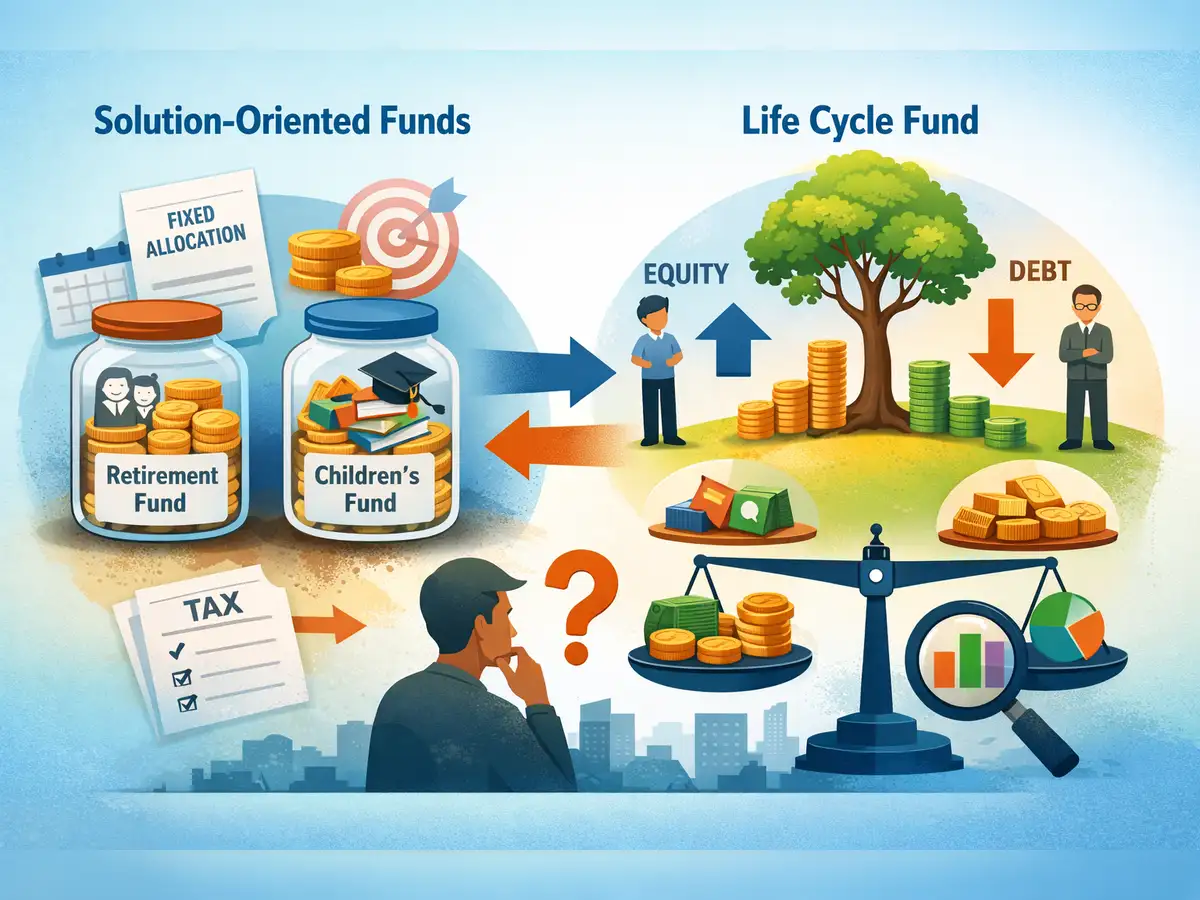
Investors worldwide are turning to a single‑purpose investment tool that promises to simplify long‑term saving: life cycle funds. Also known as target‑date or age‑based funds, they automatically adjust their asset mix as a portfolio ages, moving from growth‑focused equities toward more conservative bonds and cash. The concept, once a niche offering in a few pension plans, has exploded into a mainstream product across retail brokerages, retirement accounts, and even sovereign wealth funds. Understanding how these funds operate, why they have gained such traction, and what they could mean for the future of global investing is essential for anyone planning a financial future.
How Life Cycle Funds Work
At their core, life cycle funds follow a predetermined glide‑path – a schedule that dictates the proportion of stocks, bonds, and other assets at each stage of an investor’s life. When a person opens a fund with a target date of, say, 2050, the fund starts heavily weighted toward equities, often 80‑90 percent, to capture growth potential. As each year passes, the fund’s manager gradually reduces the equity share, replacing it with fixed‑income securities and cash equivalents. By the target year, the portfolio typically resembles a conservative mix, designed to protect the accumulated savings from market volatility as the investor approaches retirement.
The glide‑path is not a one‑size‑fits‑all model. Different providers use varying risk‑adjustment curves, and some funds incorporate alternative assets such as real estate or commodities. Yet the underlying principle remains the same: automate the rebalancing process so investors do not need to make complex allocation decisions themselves.
Why the Surge in Popularity?
Several factors have converged to push life cycle funds into the global spotlight. First, demographic shifts mean more people are planning for longer retirements. In many developed economies, life expectancy now exceeds 80 years, creating a need for investment strategies that can sustain income for decades. Second, the rise of digital brokerage platforms has lowered the barrier to entry. A few clicks are enough to purchase a target‑date fund, making it an attractive option for younger savers who lack the time or expertise to manage a diversified portfolio.
Regulators have also played a role. In the United States, the Department of Labor’s fiduciary rule encouraged the use of simple, low‑cost retirement products, and life cycle funds fit that description. Europe’s Markets in Financial Instruments Directive (MiFID II) pushed for greater transparency, prompting fund managers to clearly disclose glide‑paths and fees. As a result, investors worldwide have more information and confidence in choosing these funds.
The rapid adoption of life cycle funds is reshaping asset allocation trends on a macro level. Large institutional investors, including pension funds and sovereign wealth funds, now allocate a growing share of their holdings to target‑date strategies. This shift influences demand for equities versus bonds, especially as billions of dollars flow into more conservative allocations each year.
Moreover, the popularity of these funds has intensified competition among asset managers to develop differentiated glide‑paths and lower expense ratios. Companies that can offer a transparent, cost‑effective product gain market share, driving overall fee compression in the mutual fund industry. For retail investors, the result is broader access to professionally managed, diversified portfolios at a fraction of the cost of traditional actively managed funds.
Potential Risks and Criticisms
Despite their convenience, life cycle funds are not without drawbacks. One common criticism is the “one‑size‑fits‑all” approach to risk tolerance. A 30‑year‑old with a high income and a secure job may prefer a more aggressive equity exposure than the standard glide‑path provides, while another with significant debt might need a more conservative stance even early on. Critics also point out that the timing of the shift from stocks to bonds can be suboptimal; a market downturn occurring just as the fund reduces equity exposure could lock in losses.
Another concern is the concentration of assets under a few large providers. In the United States, the top three firms control over half of the target‑date market. Such concentration could amplify systemic risk if a major provider faces operational issues or regulatory challenges.
Looking ahead, life cycle funds are likely to evolve in response to investor feedback and technological advances. Artificial intelligence and machine learning are already being explored to create dynamic glide‑paths that adjust not only to age but also to market conditions, personal income trajectories, and individual risk preferences. Some providers are experimenting with “lifecycle‑plus” options that incorporate environmental, social, and governance (ESG) criteria, catering to the growing demand for responsible investing.
Regulatory bodies may also tighten standards around disclosure and fiduciary duties, ensuring that investors receive clear information about how glide‑paths are constructed and what fees are charged. As the global population ages, the demand for simple, automated retirement solutions will only increase, positioning life cycle funds as a cornerstone of future wealth‑building strategies.
What Investors Should Consider
For anyone contemplating a life cycle fund, a few practical steps can help ensure the choice aligns with personal goals. First, compare the glide‑path models of different providers; some are more aggressive early on, while others adopt a smoother transition. Second, scrutinize expense ratios, as even small fee differences compound over decades. Third, assess the fund’s underlying asset allocation – look for diversification across regions and sectors, not just a simple stock‑bond split.
Finally, consider whether a static target‑date fund meets your needs or if a more flexible, self‑directed approach might be better. Many platforms now allow investors to combine a target‑date fund with separate ETFs or index funds, creating a hybrid strategy that retains automation while offering customization.
Life cycle funds have moved from a peripheral retirement tool to a global investment phenomenon. Their ability to simplify long‑term saving, combined with low costs and broad accessibility, explains the rapid uptake across markets. Yet, as with any financial product, they come with trade‑offs that investors must weigh against their unique circumstances. By staying informed about how glide‑paths work, monitoring fees, and keeping an eye on evolving regulatory standards, savers can harness the benefits of life cycle funds while mitigating potential downsides. The next decade will likely see these funds become even more sophisticated, reflecting both advances in technology and the changing priorities of a new generation of investors.