New structure for ISL? AIFF explores club-consortium to run league
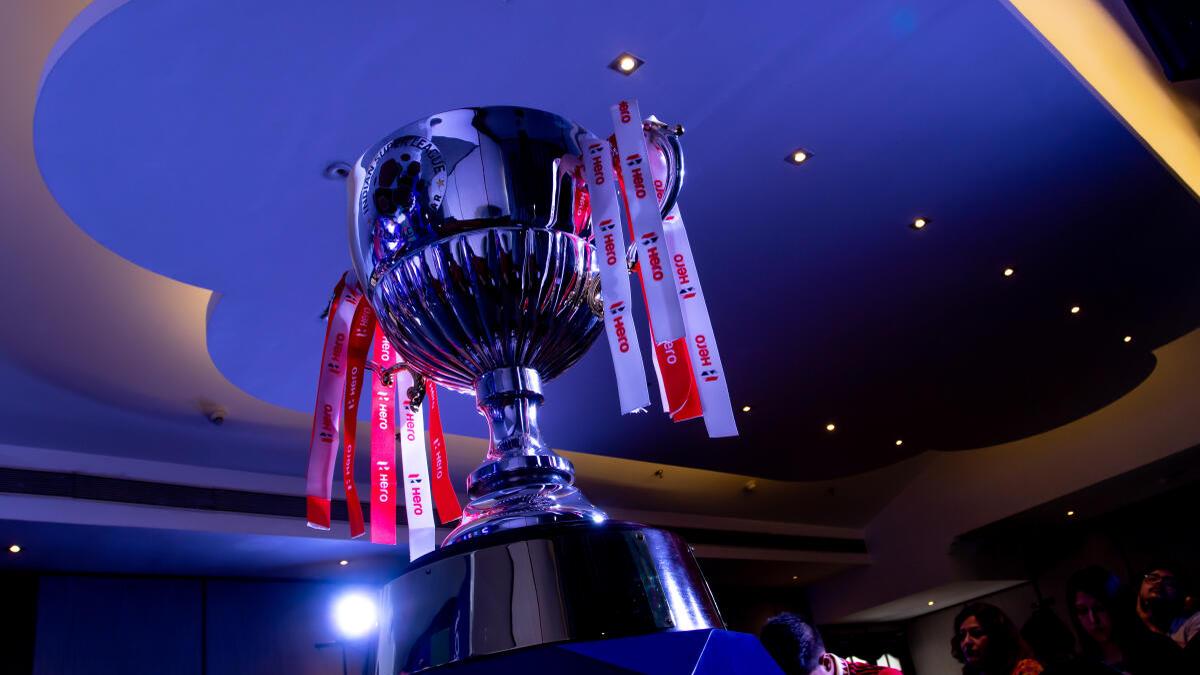
The Indian Super League’s (ISL) clubs voted to suspend the league’s interim management committee less than a day before the opening match. The decision, taken at an emergency meeting of the club owners, has sent shockwaves through the league’s administration and raised questions about the competition’s governance structure.
The ISL, now in its ninth edition, has grown into one of Asia’s most watched football leagues. Its clubs are owned by some of the country’s biggest corporations and attract a growing fan base both domestically and abroad. A sudden change in the league’s top‑level management at such a critical moment threatens the smooth running of fixtures, broadcasting arrangements, and commercial contracts.
Background to the dispute
The interim management committee was appointed earlier this year after the league’s previous executive board stepped down amid allegations of financial mismanagement. The temporary body was tasked with overseeing the league’s operations while a permanent governance model was being drafted. Over the past months, several clubs expressed dissatisfaction with the committee’s handling of player registrations, salary caps, and the allocation of prize money.
Club representatives claim that the committee failed to provide transparent financial reports and that key decisions were made without proper consultation. One club’s chairman, speaking on condition of anonymity, said, “We have repeatedly asked for clear accounting and a say in the rule‑making process. The committee’s silence forced us to act.”
At a closed-door session held at the league’s headquarters, the 11 club owners cast their votes. Ten voted in favor of suspending the interim committee, while one abstained. The motion passed with a clear majority, and the clubs announced that a new steering group would be formed within 48 hours to take over day‑to‑day operations.
The league’s spokesperson confirmed the outcome but declined to comment on the specifics of the new steering group, noting only that “the clubs remain committed to delivering a successful season for fans and partners.”
Immediate implications for the season
The league’s schedule, already released to broadcasters and sponsors, may need minor adjustments. While the opening match is still set for the originally announced date, the suspension could affect the timing of team meetings, travel arrangements, and venue preparations. The league’s operations team has assured clubs that all logistical details will be handled promptly.
Player contracts and transfers
A handful of clubs are in the final stages of negotiating player contracts for the upcoming season. The uncertainty surrounding the league’s governance has caused a few foreign signings to seek clarification before finalizing agreements. Agents have reported that most players remain confident, citing the league’s growing reputation and the presence of strong club ownership.
Broadcast and sponsorship deals
The ISL’s television partners and major sponsors have signed multi‑year contracts that hinge on the league’s stability. In a brief statement, the primary broadcaster said it is “monitoring the situation closely” but expressed confidence that the season will proceed as planned. Sponsors, many of whom are multinational corporations, have also indicated they will honor their commitments, provided the league resolves its internal issues quickly.
The ISL’s rapid expansion has attracted attention from football governing bodies worldwide. FIFA and the Asian Football Confederation (AFC) have been closely watching the league’s governance reforms, as they could serve as a model for emerging leagues in other regions. A stable and transparent management structure is essential for the league’s aspirations to secure a permanent spot in the AFC Champions League.
Analysts note that the current turmoil could influence the perception of Indian football on the global stage. “Investors and talent look for reliability,” said a sports‑business consultant based in London. “If the ISL can resolve this quickly, it will reinforce its credibility; prolonged uncertainty could deter future partnerships.”
The clubs have pledged to convene a new steering committee within the next two days. This body is expected to include representatives from each club, an independent financial auditor, and a liaison from the All India Football Federation (AIFF). Its immediate tasks will be to:
1. Review and publish the league’s financial statements for the past season. 2. Draft a revised set of competition regulations, with a focus on transparency and club participation. 3. Confirm the schedule and logistical arrangements for the opening week.
If the steering committee can deliver clear guidelines and restore confidence among stakeholders, the season could proceed with minimal disruption. However, failure to do so may lead to further delays, possible legal challenges from clubs, or even the postponement of matches.
The episode underscores the growing pains of a league that has expanded quickly in a short period. As the ISL moves toward becoming a fully professional, self‑sustaining competition, robust governance will be as important as on‑field performance. The clubs’ willingness to take decisive action suggests a desire for a more collaborative model, one where owners have a stronger voice in decision‑making.
Future seasons may see a permanent board elected by the clubs, clearer financial reporting standards, and a more structured dispute‑resolution mechanism. Such reforms could attract additional foreign investment, improve player development pathways, and enhance the league’s appeal to international audiences.
The suspension of the interim management committee just hours before the season’s kickoff marks a critical juncture for the Indian Super League. While the immediate impact on fixtures appears limited, the underlying governance issues could have lasting effects on the league’s credibility, commercial partnerships, and its role in Asian football. The next few days will be decisive as club owners work to establish a new steering group and restore stability for the season ahead.