ISB ranks 12 in FT 2026 Global MBA Rankings, up by 15 spots this year; IIMs in top 50
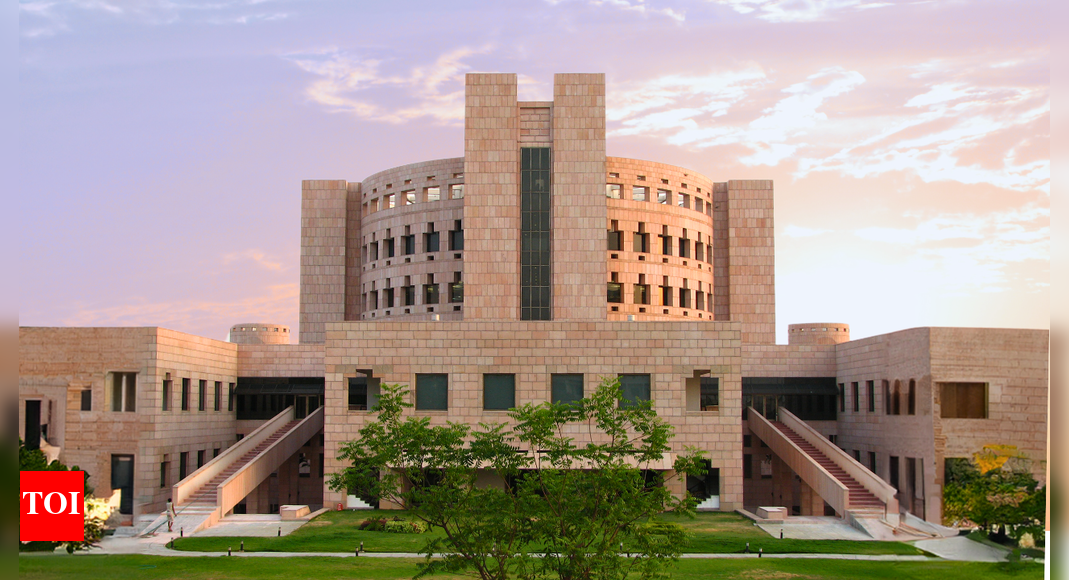
Indian School of Business (ISB) has moved up 15 places to rank 12th in the Financial Times 2026 Global MBA Rankings. At the same time, a handful of Indian Institutes of Management (IIMs) have broken into the top 50, signaling a growing global reputation for India’s business schools.
Understanding the FT Ranking
The Financial Times ranking is one of the most watched lists for postgraduate business education. It looks at a mix of factors such as alumni salaries, career progress, diversity, research output, and international exposure. Schools are scored on each metric and then combined into an overall rank. Because the methodology blends hard data with survey responses, a move up the list usually reflects real changes in a school’s performance and perception.
ISB’s jump to the 12th spot did not happen by accident. Over the past few years the school has expanded its faculty, adding more professors with PhDs from top‑tier universities. It has also increased the number of research papers published in leading journals, a key metric for the FT.
The school’s alumni network has become more active, with graduates reporting higher salary growth and faster promotions. The FT measures salary increase three years after graduation, and ISB’s figures have risen sharply, pushing the school higher in the ranking.
Internationalisation is another area where ISB has made strides. The school now offers more exchange programmes with partner schools in Europe, North America, and Asia. It also attracts a larger share of overseas students, improving its diversity score. The campus facilities have been upgraded, and new digital learning platforms were introduced, helping students gain skills that are in demand worldwide.
IIMs break into the top 50
Four IIMs have entered the FT top‑50 list this year. IIM Ahmedabad sits at 34, IIM Bangalore at 38, IIM Calcutta at 42, and IIM Lucknow at 49. Their positions are the result of similar improvements in faculty quality, research output, and graduate outcomes.
These institutes have also focused on global exposure. They have expanded exchange agreements, invited visiting professors from abroad, and increased the number of joint programmes with foreign universities. The result is a more internationally recognised brand and a broader pool of recruiters.
Why the rise matters worldwide
The higher rankings send a clear signal to multinational companies, investors, and prospective students. When a school appears near the top of the FT list, recruiters view its graduates as ready for senior roles in global firms. This can lead to more hiring pipelines, internships, and consulting projects that involve Indian talent.
For students, the rankings provide a benchmark for choosing a programme. A higher FT position often translates into better scholarship offers, stronger alumni networks, and greater career support. It also means that Indian schools are now competing on a more even footing with traditional powerhouses in the United States and Europe.
From a policy perspective, the success of ISB and the IIMs may encourage governments and private investors to fund more research centres, scholarships, and infrastructure upgrades. The ripple effect could raise the overall quality of management education across the country.
The upward trend is likely to continue if schools keep aligning their strategies with the FT criteria. ISB has announced plans to launch new specialisations in sustainability, digital transformation, and health‑care management. These areas are in high demand and could further boost graduate salaries and placement rates.
The IIMs are also exploring joint degrees with overseas universities, which would increase the international component of their programmes. If they can maintain strong alumni engagement and keep salary growth high, they may climb even higher in future rankings.
A potential challenge is the increasing competition from other Asian schools that are also improving quickly. To stay ahead, Indian institutions will need to keep investing in faculty development, research funding, and global partnerships.
The FT 2026 Global MBA Rankings have placed ISB among the world’s elite business schools and brought several IIMs into the top‑50. This shift reflects concrete improvements in teaching, research, and graduate outcomes. It also highlights India’s growing influence on the global stage of management education. As schools build on these gains, they are likely to attract more talent, foster stronger industry ties, and contribute to a more competitive international business landscape.