Irans IRGC Responds To Trump, Says It Will Be The One Who Will Determine The End Of War
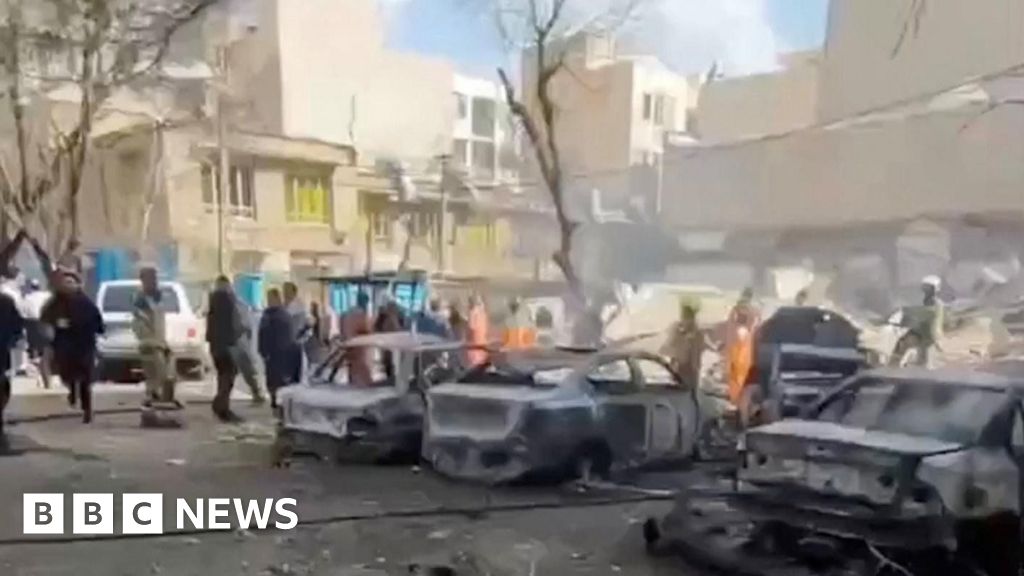
The Islamic Revolutionary Guard Corps (IRGC) issued a stark warning this week, declaring that it will be the force that determines how the current regional conflict ends. The statement came after former U.S. President Donald Trump made a series of remarks about the war, prompting Tehran’s elite military unit to assert its role in any future settlement.
Background to the tensions
The Middle East has been rocked by a renewed cycle of hostilities that began with a series of missile strikes, drone attacks, and ground incursions involving several state and non‑state actors. Iran, through its proxy networks and direct military involvement, has been a key player in supporting allied groups and defending its strategic interests. The IRGC, a powerful branch of Iran’s armed forces, oversees both conventional forces and the nation’s expansive network of militias.
Since the early stages of the fighting, the United States and its allies have accused Tehran of supplying weapons, training fighters, and coordinating attacks across borders. Iran, in turn, has framed its actions as defensive, aimed at protecting Shia communities and countering what it sees as aggressive policies from Israel and Western powers.
Trump’s recent statements
In a televised interview, the former president suggested that the United States could force a rapid end to the war by applying “maximum pressure” on Iran and its regional partners. He also hinted that a diplomatic breakthrough might be possible if Tehran agreed to a cease‑fire on terms favorable to U.S. interests. While the remarks were not tied to an official policy announcement, they were widely reported in international media and interpreted as a signal that the United States remains ready to intervene.
Trump’s comments sparked a flurry of commentary across the region. Some analysts viewed the statements as a rhetorical boost for U.S. allies, while others warned that they could inflame an already volatile situation.
Within hours of the interview, the IRGC released an official statement through its news agency. The statement emphasized that Iran’s “strategic autonomy” would not be compromised by external pressure and that the Guard would play a decisive role in shaping the final outcome of the conflict. It warned that any attempts to dictate terms without Tehran’s involvement would be “countered with all necessary measures.”
The IRGC also highlighted its recent military operations, noting successful strikes against what it described as hostile targets in neighboring countries. By showcasing its operational capabilities, the Guard aimed to reinforce the message that it possesses both the will and the means to influence the war’s trajectory.
Implications for the region
The IRGC’s declaration adds another layer of complexity to an already tangled diplomatic landscape. If the Guard truly intends to act as a gatekeeper for any peace process, it could limit the ability of external powers, including the United States and European nations, to broker a settlement without Tehran’s direct participation.
Regional actors are likely to reassess their strategies. Israel, which has repeatedly warned of a broader confrontation with Iran, may feel compelled to increase its own defensive posture. Gulf Cooperation Council (GCC) states, many of which view Iran as a rival, could seek additional security guarantees from the United States or pursue back‑channel talks to mitigate the risk of escalation.
At the same time, the statement may embolden Iran’s allied militias in Iraq, Syria, and Lebanon, encouraging them to intensify operations that align with the Guard’s objectives. This could lead to a rise in proxy attacks, further destabilizing already fragile frontlines.
International reactions
Western capitals responded with cautious statements. A senior diplomat from a major European nation called for “inclusive dialogue that respects the sovereignty of all parties,” while avoiding direct reference to the IRGC’s claim. The United Nations spokesperson reiterated the organization’s commitment to a negotiated solution, emphasizing that any lasting peace must involve all relevant stakeholders.
In Washington, officials downplayed the impact of the former president’s remarks, noting that current U.S. policy is driven by the administration in office. Nevertheless, think‑tank analysts warned that the IRGC’s posture could complicate diplomatic outreach and increase the risk of miscalculation.
Possible paths forward
Several scenarios could unfold in the coming weeks:
1. Negotiated cease‑fire with IRGC participation – If Tehran agrees to sit at the negotiating table, the Guard’s influence could help secure a cease‑fire that addresses the security concerns of both Iran and its adversaries. 2. Escalation of proxy warfare – A refusal by either side to compromise may push allied militias to intensify attacks, expanding the conflict beyond its current borders. 3. External pressure leading to a diplomatic reset – Continued economic sanctions and diplomatic isolation could force Iran to reconsider its stance, potentially opening space for a broader peace initiative. 4. Stalemate and prolonged conflict – Without a clear pathway to de‑escalation, the war may settle into a low‑intensity but protracted confrontation, draining resources and deepening humanitarian crises.
The IRGC’s assertion that it will decide the war’s end underscores the importance of including Iran’s military leadership in any future peace talks. Ignoring that reality could limit the effectiveness of diplomatic efforts and increase the likelihood of further violence.
Observers will be monitoring several key indicators:
- Military movements – Any noticeable buildup of IRGC forces near contested borders could signal preparation for a larger operation. - Diplomatic overtures – Signals from regional powers, especially Saudi Arabia and the United Arab Emirates, may reveal whether back‑channel negotiations are underway. - Economic pressures – New rounds of sanctions or relief measures could shift Tehran’s calculations regarding the war. - Public statements – Further comments from U.S. officials, whether current or former, will help gauge the level of American engagement.
The coming weeks are likely to determine whether the IRGC’s warning translates into concrete action or remains a rhetorical stance aimed at bolstering domestic legitimacy. Regardless of the outcome, the statement has already heightened global attention on the delicate balance of power in the Middle East and the urgent need for a sustainable resolution.