Iran conflict LIVE | Iran closes Strait of Hormuz, Israel launches ground incursion into Lebanon
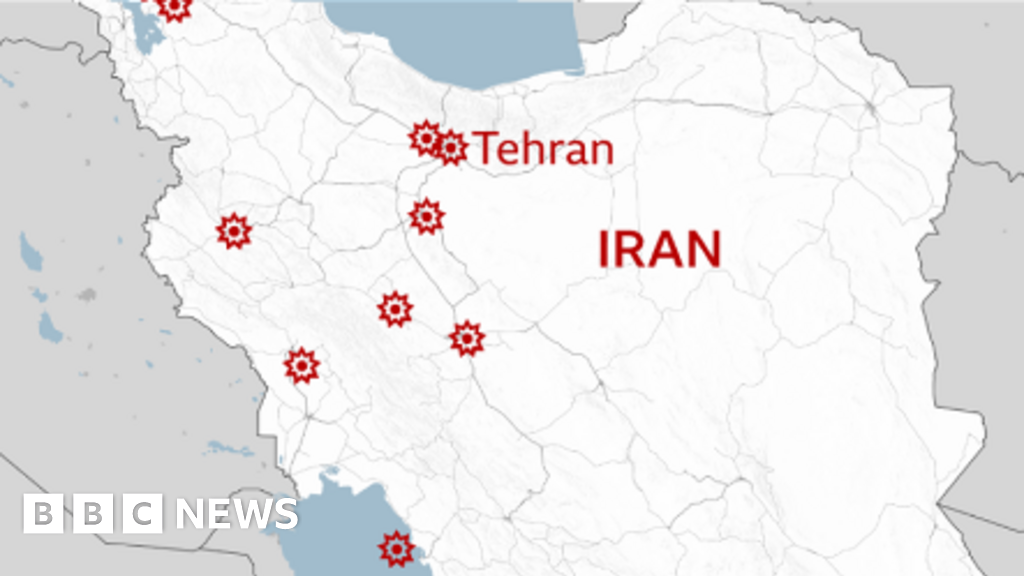
The strategic waterway linking the Gulf to the world was sealed off as Iranian forces moved to block the Strait of Hormuz, while Israeli troops entered southern Lebanon in a coordinated ground push. Both actions unfolded within hours of each other, sending shockwaves through regional capitals and global markets.
The Strait of Hormuz is a narrow channel that carries roughly a fifth of the world’s petroleum shipments. For decades it has been a flashpoint between Tehran and the United States, with periodic threats to close the passage during periods of heightened tension. Israel’s relationship with Lebanon has also been fraught, especially since the 2006 war and the rise of Hezbollah, the Lebanese Shiite militia backed by Iran. Recent weeks have seen a series of cross‑border incidents, including drone sightings and artillery exchanges, that have kept the border on edge.
Iran’s closure of the strait
Late Thursday night, Iranian naval vessels and coast‑guard ships entered the Hormuz channel and began positioning themselves across the main shipping lane. Within minutes, they signaled a temporary closure, citing “unprecedented aggression” from foreign navies operating nearby. Iranian state media broadcast footage of armed boats and a warning banner that read, “All vessels must halt until our demands are met.”
The move halted dozens of oil tankers and cargo ships, prompting immediate rerouting to longer paths around the Arabian Sea. Shipping companies reported a surge in freight rates, while oil benchmarks spiked as traders priced in the risk of supply disruption. Analysts note that even a brief shutdown can cost the global economy billions of dollars, given the strait’s outsized share of energy flow.
Iran’s leadership framed the closure as a defensive measure. A senior official told reporters that the decision was a response to “the continued presence of hostile forces that threaten our sovereignty and the safety of our maritime routes.” The official added that the closure would remain in effect until what Tehran calls “respect for regional security” is restored.
Israel’s ground incursion in Lebanon
At roughly the same time, Israeli Defense Forces (IDF) announced that they had launched a limited ground operation in the southern Lebanese town of Marjayoun. The IDF said the move was aimed at neutralizing a network of Hezbollah launch sites that had allegedly fired rockets into northern Israel over the past week. Soldiers entered the area after a brief artillery barrage and reported encountering “light resistance” from militia fighters.
Israeli commanders emphasized that the operation was “surgical” and intended to avoid civilian casualties. However, local Lebanese sources reported several houses damaged by shelling and a small number of displaced families seeking shelter in nearby villages. Hezbollah, for its part, released a statement vowing retaliation and warning that any Israeli advance would be met with “full force.”
The incursion marks the first time Israeli ground troops have crossed into Lebanese territory since the 2006 war. International observers have expressed concern that the breach could trigger a broader conflict, especially given the existing proxy rivalry between Tehran and Jerusalem.
International response
The United Nations quickly called for calm. A spokesperson for the Secretary‑General urged both parties to “exercise maximum restraint” and to keep vital shipping lanes open. The U.S. Department of State issued a statement condemning the closure of the strait, labeling it “unacceptable” and promising “swift diplomatic action” to restore freedom of navigation.
European nations echoed the call for openness, with the European Union’s foreign policy chief noting that any prolonged disruption would “harm the global economy and destabilize energy markets.” Meanwhile, China, a major oil importer, appealed to Iran to “reconsider the decision” and to resolve disputes through dialogue.
In Tehran, the foreign minister defended the closure as a legitimate response to “the aggressive posturing of the United States and its allies.” He warned that any attempts to force vessels through the strait could be met with “appropriate defensive measures.”
In Jerusalem, the Israeli prime minister defended the Lebanese operation as a necessary step to protect Israeli civilians. He warned that Hezbollah’s continued attacks would compel Israel to expand its operations if needed.
What could happen next
The twin crises raise several possible scenarios. If Iran lifts the blockade after diplomatic pressure, shipping could resume within a day or two, but the price spikes may linger as markets reassess risk. Conversely, a prolonged closure could push oil prices higher, prompting countries to seek alternative routes or accelerate strategic petroleum reserves releases.
On the Lebanese front, the ground incursion could either remain a limited raid or evolve into a larger campaign if Hezbollah escalates its rocket fire. A broader escalation would risk drawing in regional powers, potentially pulling the United States, Iran, and even Russia into a more direct confrontation.
Diplomatically, back‑channel talks are reportedly underway in several capitals. Some analysts believe that a negotiated settlement—perhaps involving a temporary cease‑fire and a guarantee of non‑interference in the strait—could de‑escalate the situation. Others warn that the underlying rivalry between Tehran and Jerusalem may make a lasting solution elusive.
For businesses and travelers, the immediate advice is to monitor shipping notices and to avoid travel to border areas until the situation stabilizes. Governments are urging citizens to stay informed through official channels and to heed any evacuation orders.
The events underscore how quickly regional flashpoints can ripple across the globe. A narrow waterway in the Persian Gulf and a hilltop town in southern Lebanon have become focal points for a larger geopolitical contest, reminding the world that stability in the Middle East remains fragile and that even short‑term actions can have far‑reaching economic and security consequences.
As the night turns into day, the international community watches closely, hoping that diplomatic engagement will outpace military momentum and that the vital arteries of trade will stay open for the sake of global prosperity.