Inside Chennai’s data centres. Fortresses of the AI era
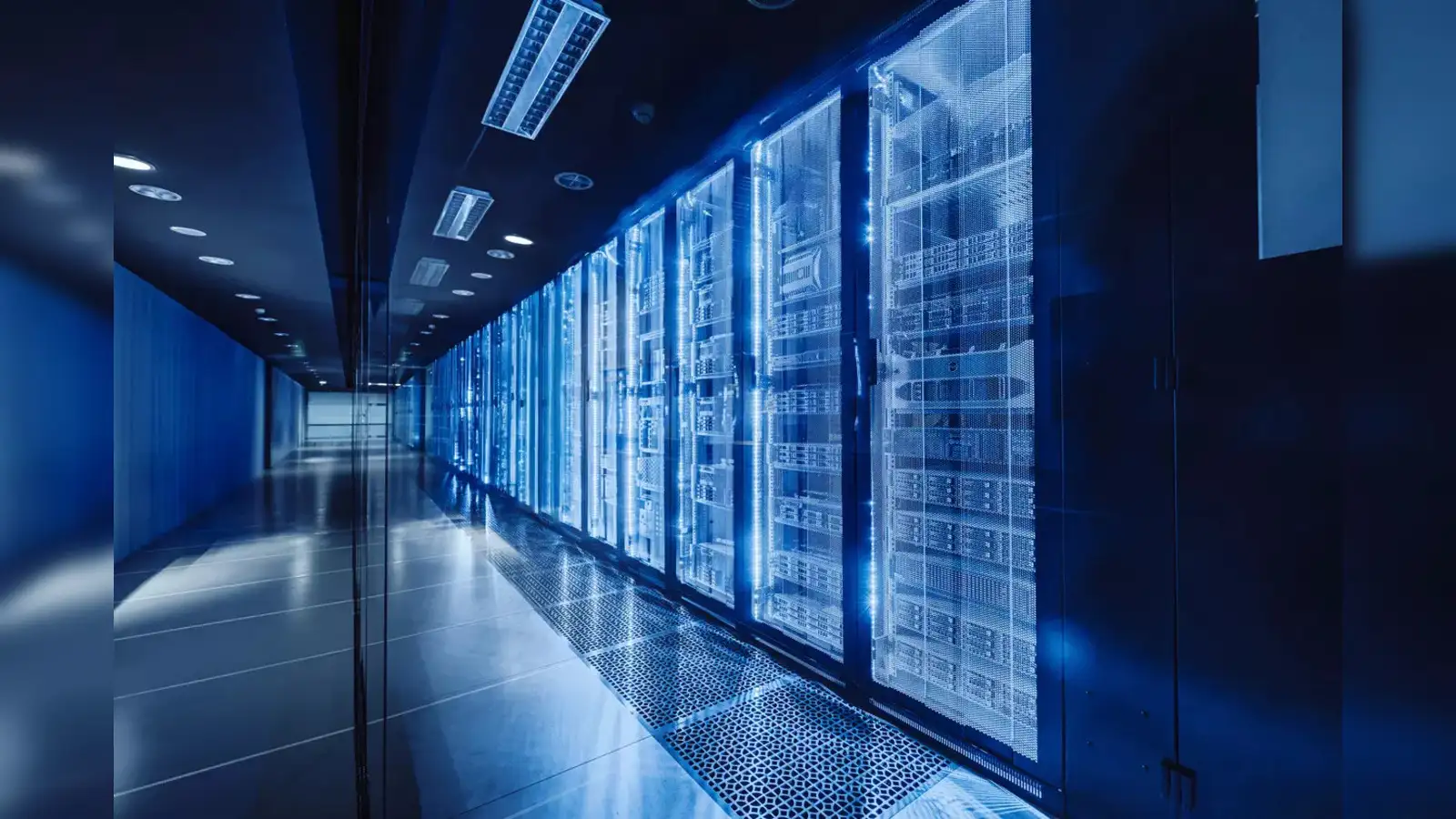
Chennai’s skyline is changing, not with new towers but with massive, climate‑controlled warehouses that house the world’s fastest computers. These data centres, built to meet the soaring demand for artificial intelligence (AI) processing, are quietly becoming critical nodes in a global network that powers everything from voice assistants to medical research.
Why Chennai Became a Data Hub
Strategic location, reliable power supply, and a skilled engineering workforce have turned the South Indian city into a preferred destination for multinational tech firms. The region’s coastal position offers natural cooling benefits, reducing the energy needed for temperature control—a major cost factor for facilities that run thousands of servers 24/7. Moreover, government incentives for high‑tech investments have attracted both domestic startups and global giants looking to expand their AI infrastructure.
The Architecture of Modern Fortresses
Unlike traditional office buildings, today’s data centres resemble industrial forts. Thick concrete walls, fire‑suppression systems, and multiple layers of security create a controlled environment where hardware can operate without interruption. Inside, rows of server racks are linked by high‑speed fiber optics that move petabytes of data in milliseconds. Redundant power feeds, battery backups, and on‑site diesel generators ensure uptime even during grid failures.
One facility, spanning more than 150,000 square feet, recently upgraded its cooling system to use seawater heat exchangers. This technology lowers electricity consumption by up to 30 percent and aligns with sustainability goals that many investors now demand.
AI Workloads and the Need for Speed
Artificial intelligence models, especially those used for language processing and image recognition, require massive computational power. Training a single large‑scale AI model can involve thousands of graphics processing units (GPUs) working in parallel for weeks. Chennai’s data centres provide the bandwidth and low‑latency connections needed for these tasks, allowing researchers to iterate faster and bring innovations to market more quickly.
The impact is tangible. A biotech firm using AI to analyze genomic data reported a 40 percent reduction in research time after moving its workloads to a Chennai facility. Similarly, a global e‑commerce platform saw its recommendation engine’s response time drop from 250 milliseconds to under 80 milliseconds, improving user experience and sales conversion rates.
Global Connectivity and the Edge
While the core of AI training happens in massive, centralized facilities, the next phase of AI deployment relies on edge computing—processing data closer to the end user. Chennai’s data centres are now integrating edge nodes that sit in regional hubs across India and Southeast Asia. This hybrid approach reduces latency for applications such as autonomous vehicles, real‑time translation, and smart city sensors.
The city’s extensive submarine cable connections to the Middle East, Europe, and the Pacific further enhance its role as a digital crossroads. Data can travel from a research lab in Boston, be processed in Chennai, and return to a user in Singapore within a fraction of a second.
Economic Ripple Effects
The growth of data centre infrastructure has sparked a secondary economy. Construction firms specialize in modular data‑centre designs, while local vendors supply cooling equipment, power distribution units, and security systems. Employment opportunities have risen, with demand for network engineers, cybersecurity analysts, and facilities managers outpacing supply.
Real‑estate prices in neighborhoods surrounding major data‑centre campuses have seen a modest increase, reflecting the influx of high‑skill professionals. Educational institutions are responding by expanding curricula in cloud computing, AI ethics, and data‑center operations, ensuring a pipeline of qualified talent.
Environmental Considerations
Running thousands of servers consumes significant electricity, prompting concerns about carbon footprints. Operators in Chennai are adopting renewable energy sources, such as rooftop solar panels and wind contracts, to offset power usage. Some facilities have entered power‑purchase agreements that guarantee a minimum percentage of clean energy.
Water usage, another critical factor, is being addressed through closed‑loop cooling systems that recycle water and minimize waste. These measures not only reduce operational costs but also align with global sustainability standards that investors increasingly scrutinize.
Security and Resilience
Data centres are high‑value targets for both physical intruders and cyber attackers. To protect sensitive AI workloads, facilities employ multi‑factor authentication, biometric access controls, and continuous video monitoring. On the cyber front, real‑time threat detection platforms analyze network traffic for anomalies, while regular penetration testing ensures vulnerabilities are patched promptly.
Resilience planning includes disaster‑recovery sites located in geographically diverse regions. In the event of a natural disaster, workloads can be shifted seamlessly to a backup location, preserving service continuity for critical applications such as financial trading platforms and healthcare monitoring systems.
Looking Ahead: The Future of Chennai’s Digital Fortresses
As AI models become more sophisticated, the demand for compute power will only intensify. Experts predict that the next generation of data centres will incorporate quantum‑ready infrastructure, preparing for a future where quantum processors complement classical CPUs and GPUs.
Chennai’s strategic advantages position it well for this evolution. Continued investment in renewable energy, advanced cooling technologies, and high‑speed connectivity will keep the city at the forefront of the AI era. The ripple effects—economic growth, job creation, and technological leadership—are likely to extend beyond regional borders, influencing global digital strategies.
In summary, the sprawling, secure facilities hidden behind Chennai’s bustling streets are more than just storage spaces. They are the engines driving AI innovation, the backbone of a connected world, and a catalyst for sustainable economic development. Their quiet operation today sets the stage for the next wave of technological breakthroughs that will shape societies worldwide.