‘IndiGo to operate flights per new pilot duty norms from today:’ DGCA
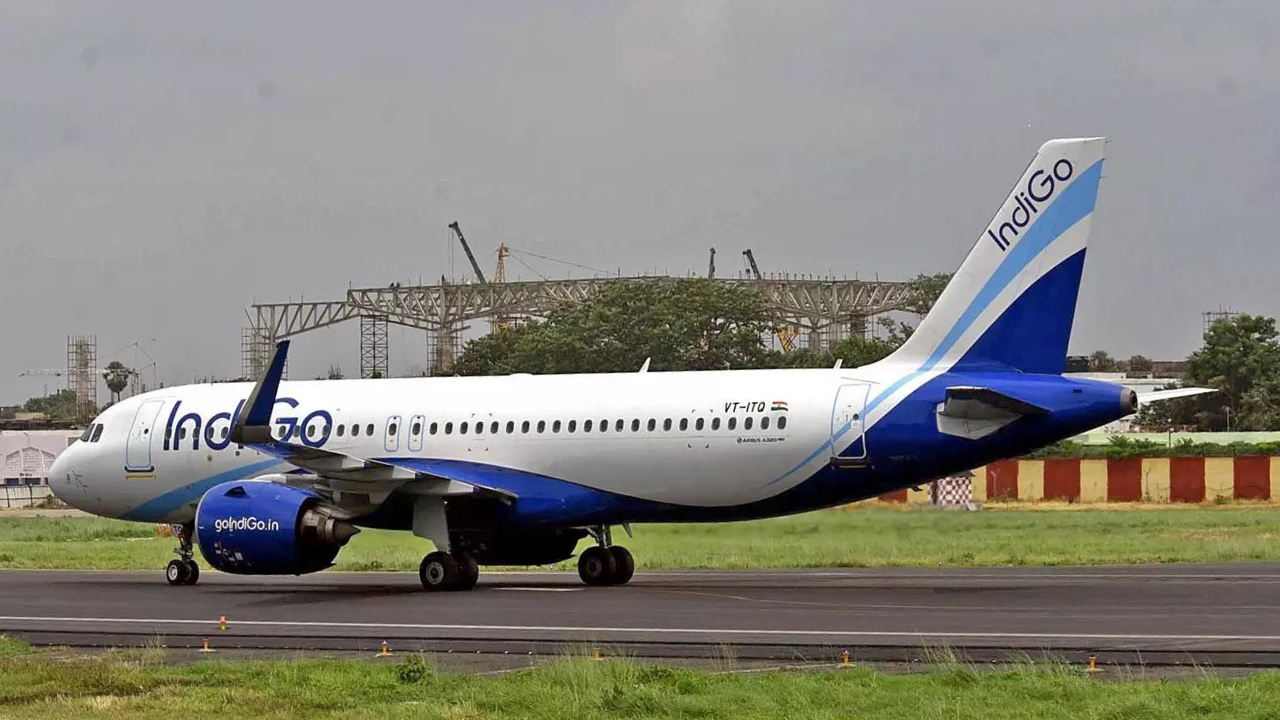
IndiGo has begun operating its domestic and international services in line with the Directorate General of Civil Aviation’s (DGCA) revised pilot duty‑time regulations. The move marks the first large‑scale implementation of the new rules, which were introduced to address fatigue, enhance safety and bring Indian aviation standards closer to global best practices.
What the new norms entail The updated duty‑time framework sets stricter limits on the number of hours a pilot can be on duty, including flight time, pre‑flight preparation and post‑flight debriefing. Under the new system, a captain or first officer may not exceed 100 duty hours in any 28‑day period, and the maximum continuous duty period is capped at 14 hours for domestic routes and 16 hours for international flights. Mandatory rest periods have also been increased, with a minimum of 12 consecutive hours of rest required after a duty stretch that exceeds 10 hours.
These changes replace the earlier, more flexible guidelines that allowed airlines to negotiate duty schedules on a case‑by‑case basis. The DGCA’s decision follows a series of industry studies and recommendations from the International Civil Aviation Organization (ICAO) that highlighted the link between pilot fatigue and operational incidents.
Why IndiGo is leading the rollout IndiGo, India’s largest low‑cost carrier, has a fleet of over 300 aircraft and serves more than 100 destinations. Its extensive network makes it a key test case for the new regulations. The airline’s management says the shift aligns with its long‑standing safety culture and its commitment to on‑time performance.
“We have already been working closely with the DGCA and our pilots to ensure a smooth transition,” said a senior IndiGo spokesperson. “The new duty limits give us a clear, uniform standard to follow, which helps us plan crew rosters more efficiently and maintain the high reliability that our passengers expect.”
IndiGo’s operational teams have updated their crew‑management software, introduced automated alerts for duty‑time breaches, and re‑trained scheduling staff on the revised rules. The airline also conducted a series of briefings with pilots to explain the benefits of the new system and address any concerns about potential disruptions.
Impact on passengers For travelers, the immediate effect is expected to be subtle. Flight schedules have not been altered, and ticket prices remain unchanged. However, the airline anticipates fewer delays caused by crew fatigue, which historically accounts for a noticeable share of on‑time performance issues in the region.
Industry analysts note that a more rested crew can lead to smoother operations, fewer last‑minute cancellations and a reduction in the likelihood of safety‑related incidents. In the long run, passengers could see a modest improvement in overall flight punctuality and a higher level of confidence in airline safety standards.
Broader industry implications IndiGo’s compliance sets a precedent for other carriers operating in India, including full‑service airlines and regional operators. The DGCA has indicated that it will monitor the rollout closely and may issue further guidance if systemic challenges arise.
Smaller airlines, which often have tighter staffing levels, may need to adjust their crew‑pairing strategies more aggressively. Some have expressed concerns about the cost of hiring additional pilots to meet the new rest requirements, especially in a market where pilot shortages are already a challenge.
Nevertheless, the regulator believes the long‑term benefits outweigh short‑term adjustments. By standardising duty limits, the DGCA aims to create a level playing field where safety is not compromised for cost or schedule pressure.
Global relevance The move mirrors similar reforms in Europe, North America and parts of Asia, where regulators have tightened fatigue‑management rules over the past decade. As India’s aviation market continues to grow—projected to become the world’s third‑largest by 2035—aligning with international standards is crucial for attracting foreign investment and maintaining bilateral air‑service agreements.
A more robust safety framework also supports India’s ambition to become a regional hub for long‑haul flights. Carriers looking to launch new routes to Europe, the Middle East or North America will find the updated duty norms reassuring, as they reduce the regulatory gap between Indian carriers and their overseas counterparts.
Future outlook IndiGo plans to review the impact of the new duty rules after a six‑month period. The airline will analyse data on crew utilisation, on‑time performance and any operational disruptions linked to the transition. Findings will be shared with the DGCA to inform potential refinements.
If the rollout proves successful, the regulator may consider extending similar fatigue‑management measures to other crew categories, such as cabin staff and ground handling personnel. Such a holistic approach could further elevate safety standards across the entire aviation ecosystem.
For now, the industry watches closely as IndiGo pilots the new regime. The airline’s ability to maintain its reputation for punctuality while adhering to stricter duty limits will be a key indicator of how smoothly the sector can adapt to the evolving safety landscape.
Conclusion The implementation of the DGCA’s revised pilot duty‑time norms by IndiGo represents a significant step toward modernising India’s aviation safety framework. While the changes may require operational adjustments and additional staffing, the expected gains in safety, reliability and international compatibility are likely to benefit airlines, regulators and passengers alike. As the world’s aviation community continues to prioritise fatigue management, India’s proactive stance positions it well for sustained growth and greater integration into the global air transport network.