IndiGo is planning to hire over 1,000 pilots
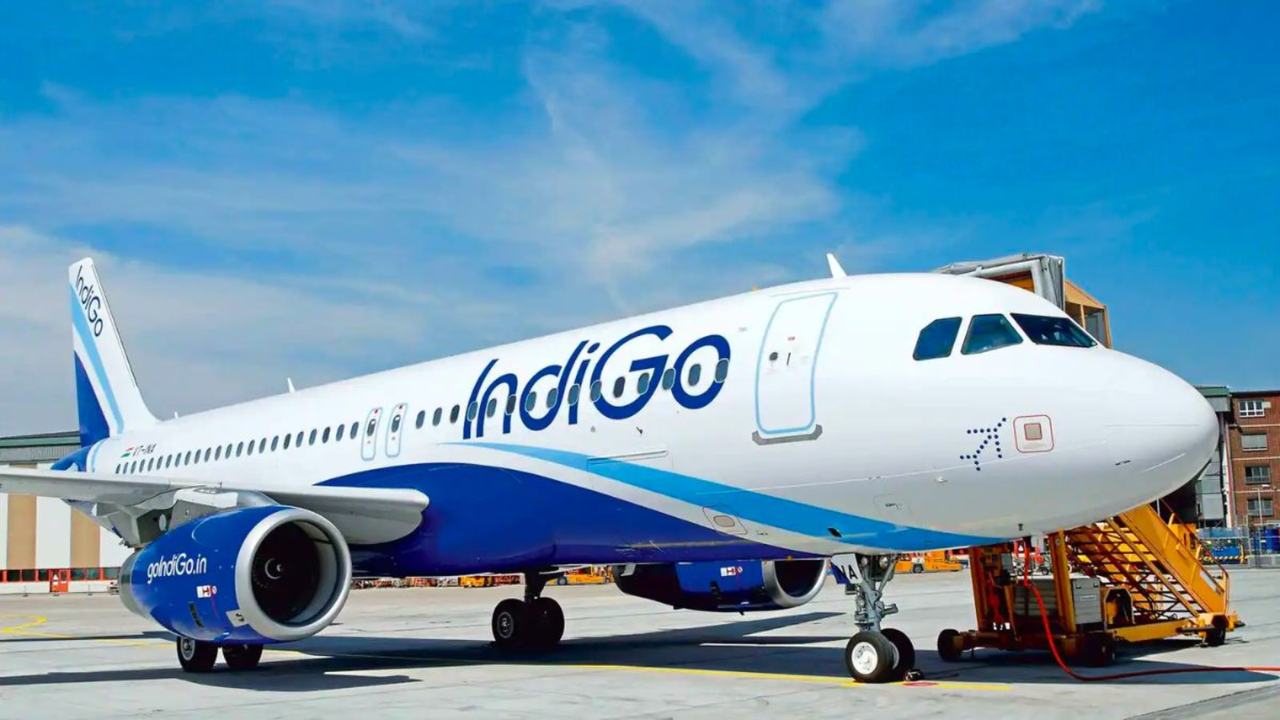
IndiGo has announced a plan to add more than 1,000 pilots to its roster over the next few years. The move comes as the airline continues to expand its fleet and network, aiming to capture a larger share of the fast‑growing Asian travel market.
The carrier, which started operations in 2006, now operates a fleet of over 300 aircraft and serves more than 100 domestic and international destinations. Recent years have seen a steady increase in passenger numbers, prompting IndiGo to order additional Airbus A320neo and A321neo jets as part of its long‑term growth strategy.
A key driver behind the hiring push is the global shortage of qualified pilots. Airlines worldwide are competing for a limited pool of experienced crew, and the shortage is expected to tighten further as travel demand rebounds after the pandemic. IndiGo’s decision reflects the need to secure talent before capacity constraints limit its expansion plans.
To meet the recruitment target, IndiGo is partnering with several flight schools and training institutes across India and abroad. The airline will fund a portion of the training cost for new cadets, offering a clear career path that includes mentorship, on‑the‑job experience, and the possibility of rapid promotion to senior positions.
The hiring drive is also expected to generate thousands of indirect jobs. Flight schools will need more instructors, simulators will see increased usage, and ancillary services such as maintenance and ground handling will benefit from a larger operational footprint.
From a passenger perspective, the additional pilots will enable IndiGo to add new routes, increase flight frequencies, and reduce delays caused by crew shortages. More reliable scheduling can improve the airline’s on‑time performance, a metric that many travelers consider when choosing a carrier.
Asia’s aviation market is projected to grow at a compound annual rate of around 5 percent through the 2030s. Rising middle‑class incomes, increased business travel, and a shift toward short‑haul flights are fueling demand. IndiGo’s aggressive hiring aligns with this broader trend, positioning the airline to capture a larger slice of regional traffic.
The pilot shortage is not unique to India. Europe, North America, and the Middle East are all reporting similar gaps, prompting governments and industry bodies to invest in training infrastructure. In India, the civil aviation ministry has recently approved new aviation academies and increased funding for existing ones, a move that supports IndiGo’s recruitment goals.
Regulatory approval will be essential for the rapid onboarding of new crew members. The Directorate General of Civil Aviation (DGCA) must certify training programs and ensure that safety standards are upheld. IndiGo has indicated that it is working closely with the DGCA to streamline the certification process without compromising safety.
Despite the optimistic outlook, the airline faces challenges. Training a pilot from scratch can take 18 to 24 months, and retaining talent in a competitive market requires attractive compensation packages and clear career progression. IndiGo will need to balance cost pressures with the need to offer competitive salaries.
Looking ahead, the airline plans to introduce newer, more fuel‑efficient aircraft such as the Airbus A321XLR, which will open up longer routes and further diversify its network. A larger pilot pool will be critical to operating these aircraft safely and efficiently.
Other low‑cost carriers in the region are also scaling up their pilot recruitment, creating a competitive environment for talent. IndiGo’s early commitment to training and its extensive domestic route network may give it an edge in attracting aspiring pilots who prefer a stable, growth‑focused employer.
In summary, IndiGo’s plan to hire over 1,000 pilots reflects both its own ambitious growth targets and the wider dynamics of the aviation industry. By securing a larger crew base, the airline aims to enhance reliability, expand its route map, and meet the rising travel demand across Asia. For passengers, the likely outcome is more flight options, fewer delays, and a smoother travel experience.