India is unlikely to be part of any multinational coalition on Strait of Hormuz
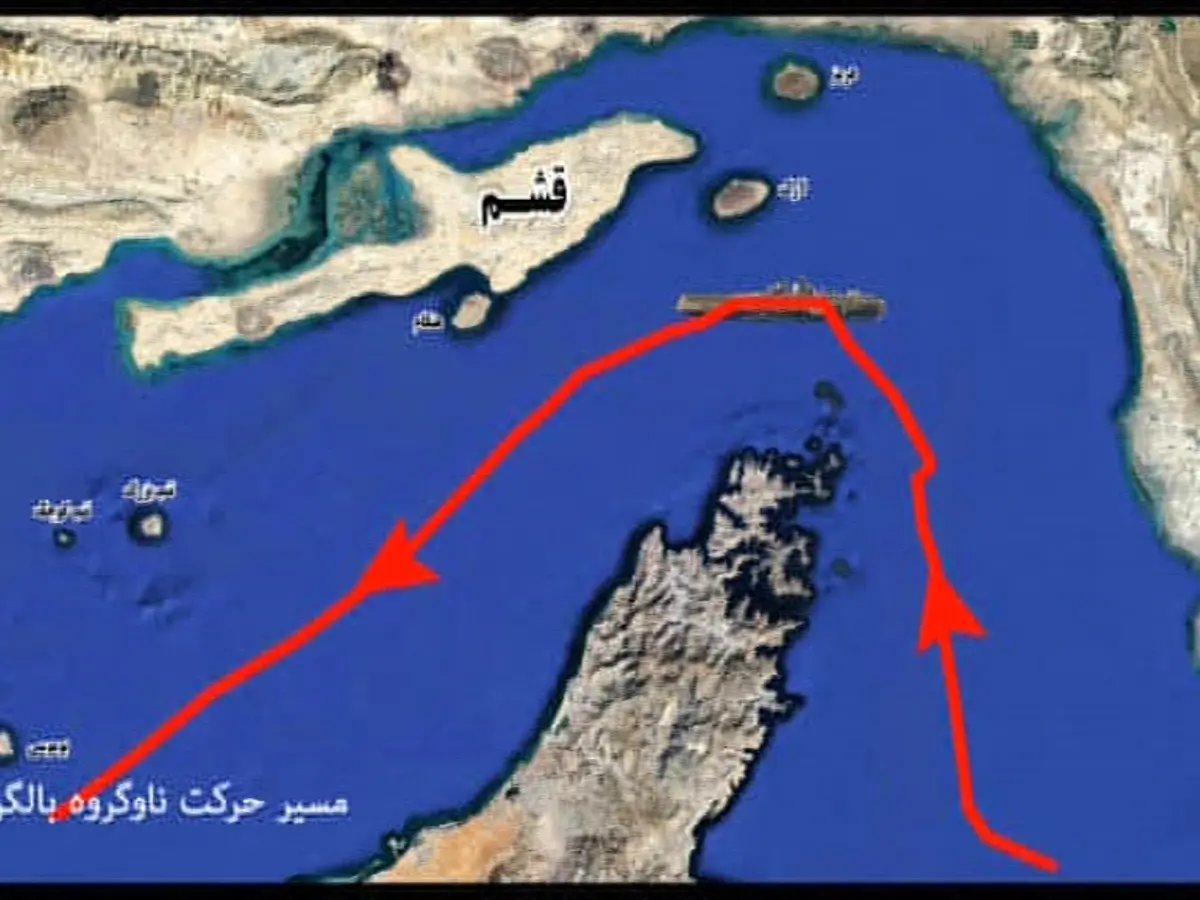
India has made it clear that it will not become a member of any multinational coalition operating in the Strait of Hormuz. The decision was announced by senior officials in New Delhi and reflects a long‑standing policy of strategic independence in the region.
Background to the tension
The narrow waterway between Oman and Iran is a key route for global oil shipments. Over the past few years, a series of incidents – including missile attacks, vessel seizures and heightened naval patrols – have raised concerns about the safety of commercial traffic. In response, several countries, led by the United States and European powers, have discussed forming a joint task force to protect shipping lanes and deter aggression.
India’s position explained
India’s foreign ministry said the country prefers to act through diplomatic channels and its own navy rather than join a foreign‑led coalition. Officials highlighted three main reasons: first, the need to preserve strategic autonomy; second, the desire to avoid being drawn into a conflict that could pit it against regional powers; and third, a belief that multilateral naval operations could complicate existing diplomatic efforts with Iran and Gulf states.
"Our priority is to keep the sea lanes open for trade while maintaining a balanced relationship with all parties," a senior spokesperson said. "Joining a coalition could send a signal that we are taking sides, which is not consistent with our broader foreign‑policy goals."
Why the decision matters globally
The Strait of Hormuz handles roughly one‑fifth of the world’s petroleum consumption. Any disruption can cause immediate spikes in oil prices and affect economies far beyond the Middle East. By staying out of a coalition, India signals to both allies and adversaries that it will not be a direct participant in potential military actions there. This stance may encourage other nations to adopt a similar approach, potentially limiting the size and scope of any future joint force.
At the same time, the move could raise concerns among countries that rely on the coalition for security guarantees. The United States, for example, has repeatedly called for broader international involvement to deter hostile actions. India’s refusal may force coalition planners to reassess force composition, logistics and rules of engagement.
Iran welcomed India’s decision, describing it as a "responsible" step that reduces the risk of escalation. Gulf Cooperation Council (GCC) members expressed mixed feelings. While Saudi Arabia and the United Arab Emirates appreciate India’s economic ties with the region, they also worry that a weaker coalition could embolden hostile actors.
India’s neighbours, such as Pakistan and Bangladesh, have largely stayed silent, focusing instead on their own maritime security concerns. However, analysts note that any shift in the balance of power in the Gulf could eventually ripple into South Asian waters, where Indian and Pakistani navies already maintain a delicate equilibrium.
Economic implications
India is a major importer of crude oil, and its merchant fleet frequently passes through the Hormuz corridor. By keeping its navy out of a coalition, New Delhi hopes to avoid any retaliatory measures that could affect its oil imports. The decision also aligns with India’s broader strategy of diversifying energy sources, including greater investment in renewable energy and alternative supply routes.
For global markets, the news is likely to be absorbed as a neutral factor. Oil traders have already priced in a range of scenarios, and the absence of Indian warships from a coalition does not immediately threaten the flow of oil. Nevertheless, the situation remains fluid, and any escalation in the Strait could still impact prices.
Possible future scenarios
1. Diplomatic push‑back – International partners may increase diplomatic outreach to India, seeking informal cooperation on intelligence sharing or joint patrols that do not require formal coalition membership. 2. Limited joint exercises – India could opt for ad‑hoc naval drills with individual countries, maintaining a presence without committing to a standing force. 3. Escalation management – If tensions rise, India may be called upon to mediate between conflicting parties, leveraging its historic ties with both Iran and Gulf states. 4. Policy shift – A major security incident could force New Delhi to reconsider its stance, especially if Indian commercial vessels are directly threatened.
What the world can expect
For now, the global community is watching how the coalition concept evolves without India’s participation. The United States and European allies are likely to continue discussions about a multinational task force, but they may need to adjust expectations regarding force size and operational reach.
India, meanwhile, will keep emphasizing its role as a responsible maritime nation. Its navy is already conducting regular patrols in the Indian Ocean and the Arabian Sea, focusing on anti‑piracy, search‑and‑rescue and humanitarian missions. By maintaining a visible but independent presence, New Delhi hopes to protect its own interests while encouraging a diplomatic solution to the Hormuz dispute.
India’s decision to stay out of a multinational coalition in the Strait of Hormuz underscores a careful balancing act between security, economics and diplomacy. While the move does not eliminate the risk of disruption in a vital oil corridor, it reflects a broader trend of major powers preferring flexible, nation‑centric approaches over large, joint military structures. The coming weeks and months will reveal whether this stance helps de‑escalate tensions or whether it prompts coalition leaders to seek new partners and strategies to keep the world’s energy lifeline secure.