India Condoles Khameneis Death, Foreign Secretary Meets Iran Ambassador
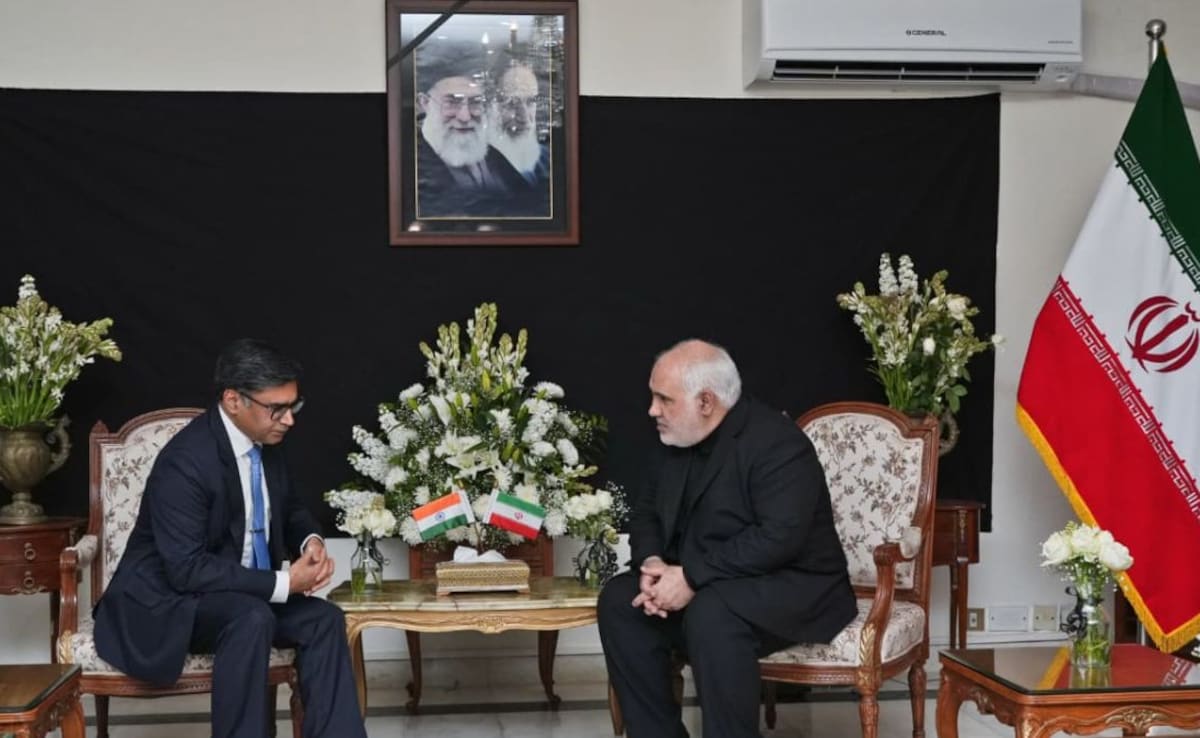
India’s Ministry of External Affairs issued an official statement of condolence after the death of Iran’s Supreme Leader, a move that underscores the long‑standing diplomatic ties between the two neighbours. The message, released by the ministry, highlighted respect for the late leader’s contributions and expressed a desire for continued friendship. It arrived at a time when regional politics are shifting, making the gesture both symbolic and strategically significant.
The Supreme Leader, who had been at the helm of Iran’s political and religious institutions for decades, passed away after a prolonged illness. His death marks the end of an era that shaped Iran’s foreign policy, its nuclear negotiations, and its role in Middle‑East affairs. The succession process, already outlined in Iran’s constitution, will now move forward, but the immediate aftermath is likely to bring a period of uncertainty both within Iran and across the region.
India’s response was swift and measured. The external affairs minister, speaking on behalf of the government, conveyed heartfelt sympathy to the people of Iran and to the family of the late leader. The statement also reaffirmed India’s commitment to the principles of mutual respect and non‑interference that have guided its relationship with Tehran for more than half a century. By offering condolences, New Delhi signalled that it remains a reliable partner, even as the political landscape in Tehran evolves.
In the same week, India’s foreign secretary met with Iran’s ambassador to discuss a range of bilateral issues. The meeting, held at the Ministry of External Affairs headquarters, covered trade, energy cooperation, and the status of Indian nationals living in Iran. Both sides expressed a desire to deepen economic ties, especially in the areas of oil imports, renewable energy projects, and the development of a strategic pipeline that could link the two countries. The foreign secretary also raised concerns about the safety of Indian workers, seeking assurances that they would be protected during any transitional period.
Iran’s ambassador thanked India for its condolences and emphasized the importance of steady diplomatic engagement. He noted that the new leadership in Tehran is keen to maintain stable relations with major partners, including India, which is a key market for Iranian oil and a source of essential imports. The ambassador also highlighted ongoing cultural exchanges and the shared interest in regional stability, particularly in Afghanistan and the broader Indian Ocean region.
The condolence message and the diplomatic meeting carry weight beyond the two capitals. Iran’s strategic position makes any shift in its leadership a point of focus for global powers. India’s balanced approach—offering sympathy while pursuing practical cooperation—helps it navigate the complex web of interests that include the United States, the European Union, and regional rivals. By keeping channels of communication open, New Delhi aims to protect its energy security and safeguard trade routes that pass through the Persian Gulf.
Analysts note that the meeting could set the tone for future negotiations on the stalled nuclear deal. While India is not a direct party to the agreement, it has a stake in regional security and the stability of nuclear non‑proliferation efforts. Continued dialogue with Iran may also provide India with leverage to advocate for a peaceful resolution to lingering disputes, such as maritime security in the Arabian Sea and the status of the Chabahar port, which serves as a gateway for trade to Afghanistan.
Looking ahead, the immediate challenge for both countries will be to manage the transition within Iran while preserving the momentum of existing projects. India is expected to monitor the internal political developments closely, ready to adjust its diplomatic posture if needed. At the same time, the foreign secretary’s engagement signals that New Delhi intends to remain an active participant in shaping the post‑leadership landscape, ensuring that its economic and strategic interests are not compromised.
In sum, India’s expression of condolence and the subsequent high‑level meeting reflect a pragmatic foreign policy that blends empathy with concrete action. As Iran moves into a new chapter, the partnership with India is likely to evolve, but the foundation of mutual respect and shared economic goals appears robust enough to endure the uncertainties ahead.