India braces for hotter
The Indian subcontinent is gearing up for an unprecedented stretch of scorching days, as meteorologists warn that temperatures could climb well above historical averages across the northern plains and central regions. Heat‑related alerts have already been issued for major cities, prompting officials to activate emergency response plans and urging residents to adopt simple cooling measures.
Rising temperatures and their immediate effects
Across the country, daytime highs are expected to breach the 45 °C (113 °F) mark in several districts, a level that traditionally appears only during the peak of May. In the capital, night‑time temperatures are projected to stay above 30 °C (86 °F), limiting the relief that cooler evenings normally provide. Such sustained heat places immediate pressure on power grids, as air‑conditioner use spikes and water‑pumping stations work overtime. In recent weeks, several states reported rolling blackouts, a warning sign that the infrastructure may struggle to meet demand if the heat persists.
Health warnings and public response
Health authorities have issued advisories that emphasize hydration, avoiding outdoor activity during the hottest hours, and watching for signs of heat‑related illness such as dizziness, rapid pulse, or confusion. Hospitals in urban centers are preparing dedicated heat‑stroke wards, and mobile clinics are being dispatched to rural areas where access to medical care is limited. Community volunteers are being trained to recognize early symptoms and to provide basic first‑aid, a strategy that aims to reduce the burden on overtaxed emergency rooms.
Agricultural implications
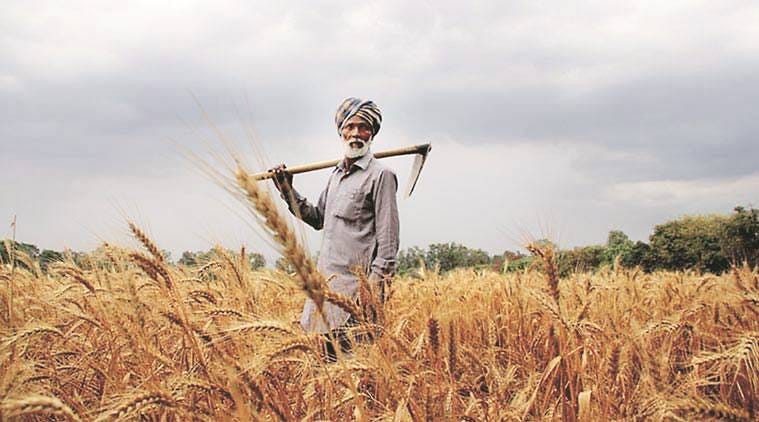
The farming sector faces a dual challenge. Crops that rely on a narrow window of moderate weather, such as wheat and rice, risk yield loss if soil moisture evaporates faster than it can be replenished. Farmers in the Punjab and Haryana regions have already reported wilting fields and are turning to drought‑resistant seed varieties. At the same time, the heat accelerates the life cycle of pests, prompting an increase in pesticide use that could affect both crop health and environmental quality.
Energy grid and water supply stress
India’s power generation mix includes a significant share of coal‑fired plants, which are less efficient under extreme heat. Thermal plants lose output as cooling water temperatures rise, forcing operators to curtail generation. Renewable sources such as solar are less affected, but the rapid surge in demand can outpace even the most optimistic supply forecasts. Water utilities are also on alert; reservoirs that feed major cities are already low, and the combination of high evaporation rates and increased consumption threatens to trigger water‑rationing measures.
Why the heat matters beyond borders
The situation in India is a microcosm of a broader global trend. Climate models predict that heat waves will become more frequent and intense across the tropics and subtropics, affecting billions of people. The Indian experience offers a real‑time case study of how societies can adapt—or struggle—to cope with rapid temperature spikes. International agencies are watching closely, using the data to refine early‑warning systems and to advise other nations on infrastructure upgrades.
Government actions and policy focus
Central and state governments have launched a coordinated response that includes setting up cooling centers in public buildings, distributing free oral rehydration salts, and launching public‑information campaigns on radio and social media. Long‑term policy discussions are also underway, focusing on expanding the grid’s capacity, investing in underground power lines to reduce outage risk, and accelerating the shift toward renewable energy sources that are less vulnerable to heat.
Meteorologists project that the heat wave could linger for three to four weeks, with the possibility of a secondary surge later in the season. If temperatures continue to climb, the strain on health services, agriculture, and energy supply could deepen, potentially leading to economic losses measured in billions of rupees. Experts stress that while immediate mitigation measures are essential, the episode underscores the need for sustained climate‑resilience planning.
What individuals can do
Residents are encouraged to stay informed through official alerts, limit outdoor activities during midday, wear light clothing, and keep homes ventilated with fans or natural breezes when possible. Simple actions such as checking on elderly neighbors, keeping a supply of drinking water, and using reflective window coverings can collectively reduce the health and energy burden.
India’s current heat challenge is a reminder that climate‑driven extremes are no longer distant possibilities. By combining rapid response with longer‑term infrastructure upgrades, the country aims to protect its population while setting an example for other nations facing similar threats.