Im what? Israeli PM Benjamin Netanyahu mocks death rumours, shows off five fingers
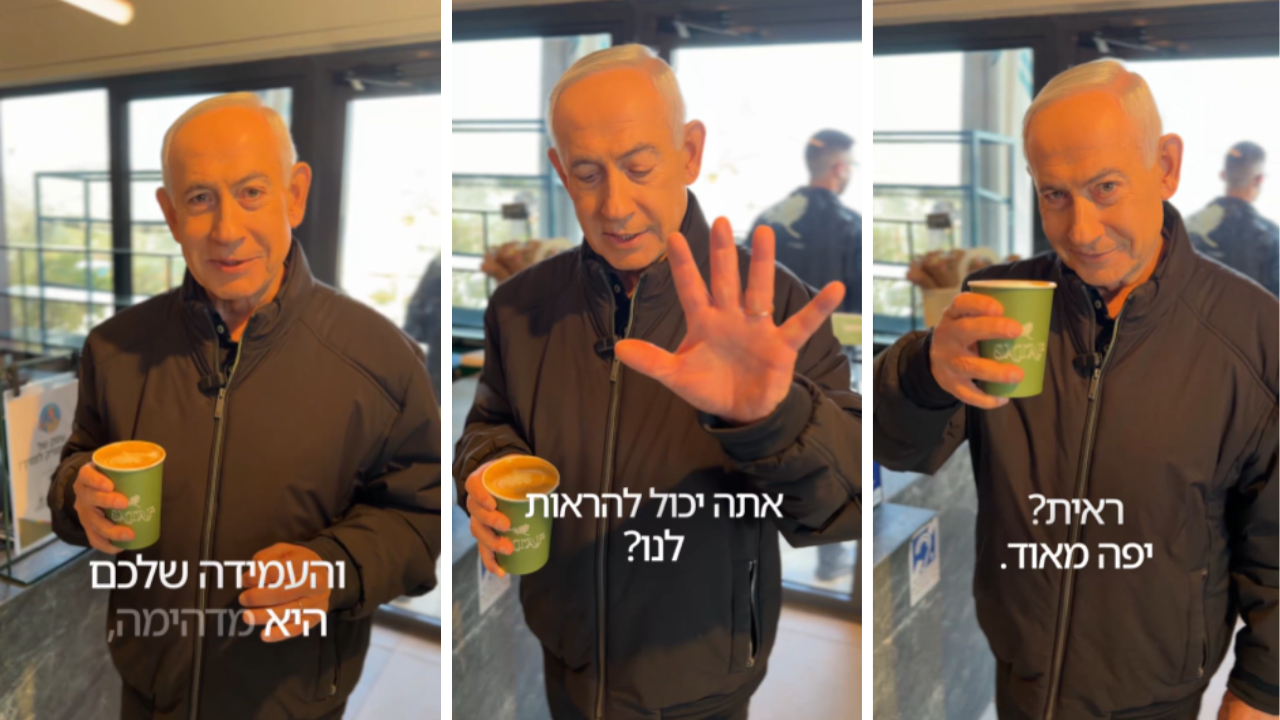
Israeli Prime Minister Benjamin Netanyahu took to social media to shut down circulating rumors that he had died. In a short video, the leader raised his hand, spread his fingers and said, “I’m alive,” before continuing with his regular schedule.
Background on the rumors Rumors about Netanyahu’s health have appeared several times over the past years, often fueled by political opponents or fringe websites. The latest claim surfaced on messaging platforms and quickly spread to larger networks, prompting speculation about a possible power shift in Israel. No credible source confirmed the story, but the speed of the online chatter forced the prime minister’s office to respond.
Netanyahu’s direct response Instead of issuing a written statement, Netanyahu chose a visual approach. In a video posted to his official accounts, he stood in his office, looked directly at the camera and held up his hand, displaying all five fingers. He then said, “I’m fine, I’m alive, and I will continue to lead.” The clip lasted less than a minute but was shared widely across platforms, quickly drowning out the false narrative.
Why the gesture mattered A simple hand motion can carry a lot of weight in the digital age. By showing his fingers, Netanyahu gave a clear, unmistakable sign that he was present and in control. The gesture also avoided any need for medical jargon or lengthy explanations, which could have been misinterpreted or twisted. For many viewers, the visual proof was enough to calm immediate concerns.
Domestic reaction Within Israel, the response was mixed but largely supportive. Supporters praised the prime minister for addressing the rumor quickly and directly. Critics, however, pointed out that the need for such a public display highlighted the deep political polarization in the country. Some opposition figures warned that the episode showed how fragile public trust can be when misinformation spreads unchecked.
International perspective Outside Israel, foreign governments and diplomatic observers noted the incident as a reminder of how quickly false news can travel. A spokesperson for the European Union commented that the episode underscored the importance of reliable sources in international reporting. Analysts in the United States highlighted the event as an example of how leaders must manage both real and imagined crises in the age of social media.
The role of social media platforms The rumor’s rapid spread raised questions about the responsibility of platforms that host user‑generated content. Several major networks announced they would review the posts that originally carried the false claim and consider stronger labeling for unverified information. The incident adds to a growing list of cases where political figures have had to counter misinformation in real time.
Impact on Israeli politics While the rumor itself proved false, the episode may have longer‑term implications for Israeli politics. Netanyahu’s decisive visual rebuttal may strengthen his image among loyal voters, reinforcing his reputation as a hands‑on leader. Conversely, the need to address the rumor could be used by opponents to argue that the prime minister’s health is a recurring point of contention, potentially influencing future campaign narratives.
Possible future developments The incident could lead to more proactive communication strategies from the Israeli government. Expect to see faster fact‑checking teams, pre‑emptive briefings, and perhaps a dedicated channel for addressing rumors. Internationally, the episode may encourage other governments to adopt similar visual tactics when confronting false reports about high‑profile officials.
Conclusion Benjamin Netanyahu’s brief video, in which he displayed all five fingers, succeeded in silencing a wave of speculation about his death. The episode highlights the power of simple visual communication in a world saturated with rumors. It also serves as a reminder that political leaders must be ready to respond swiftly to misinformation, both to protect their own credibility and to maintain stability in the broader political landscape.