How India’s US deal tariff advantage over Bangladesh vanished overnight
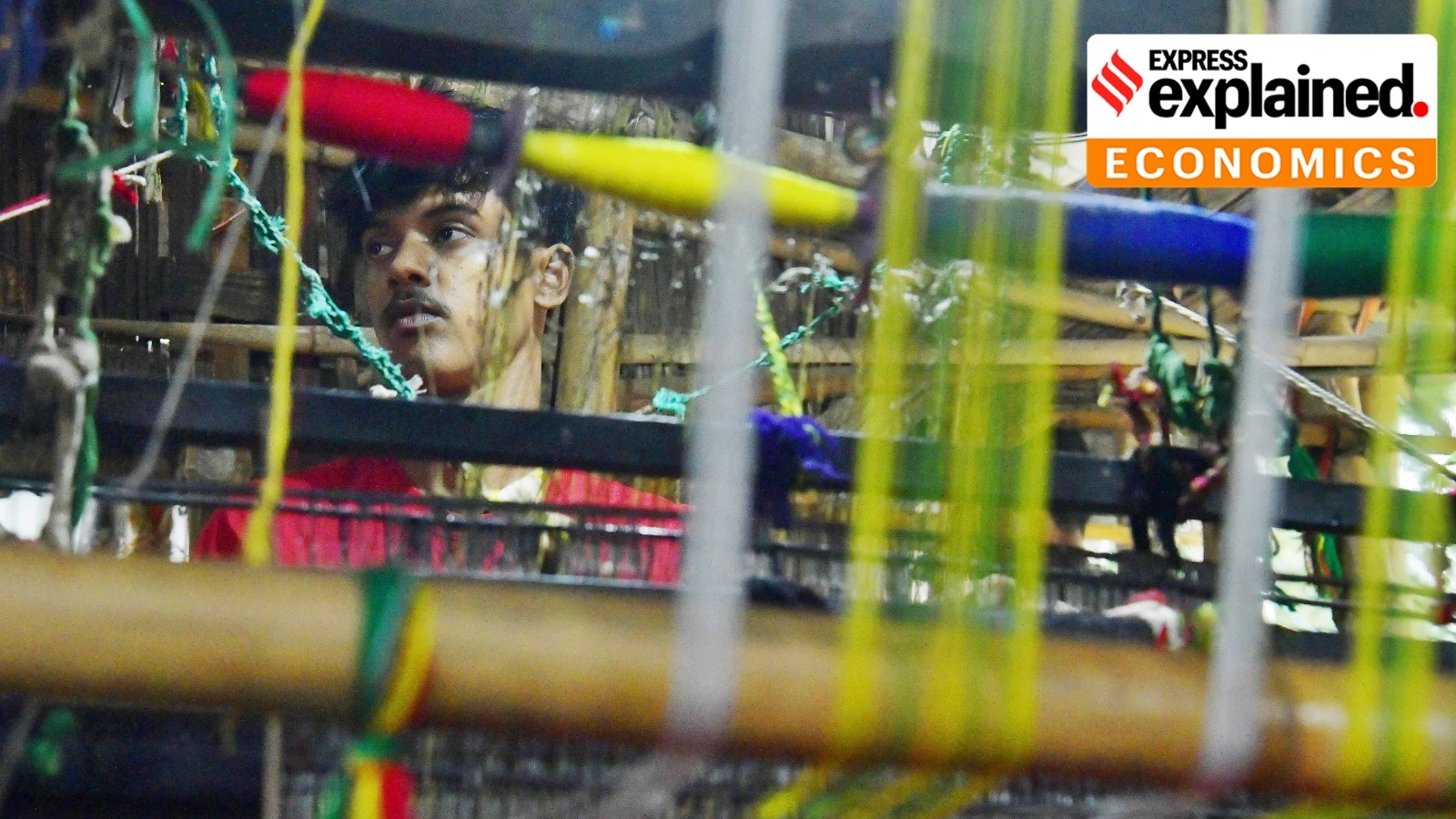
India’s once‑favoured status in the United States market for textiles and apparel disappeared almost instantly, ending a competitive edge that had helped the country out‑price Bangladesh for key products. The abrupt policy change has sent shockwaves through manufacturers, traders and policy makers on both sides of the Bay of Bengal.
Background: US‑India trade preferences
In 2022 the United States granted India a limited set of tariff reductions under the Generalized System of Preferences (GSP). The move was part of a broader trade and investment framework aimed at deepening economic ties and rewarding India’s growing market. The reductions applied mainly to cotton‑based garments, a segment where Indian factories had already been investing heavily in modern equipment. By lowering the import duty from 15 % to 7 % for these items, the United States made Indian products cheaper for American retailers and consumers.
Bangladesh, meanwhile, has relied on the standard GSP rate of 15 % for most apparel. Its competitive advantage has traditionally come from lower labour costs and a well‑established supply chain that serves major US brands. The Indian tariff cut narrowed the price gap, allowing Indian exporters to win contracts that previously went to Bangladeshi factories.
Bangladesh’s rise in the US market
Over the past five years Bangladesh has become the world’s second‑largest apparel exporter, supplying roughly 6 % of all clothing sold in the United States. Its success rests on a combination of high‑volume production, strong compliance standards and a reputation for delivering on time. The country’s garment sector employs over four million workers, most of them women, and contributes around 12 % of Bangladesh’s GDP.
The US‑India tariff advantage threatened that growth. Indian firms began to capture a larger share of orders for T‑shirts, denim and sportswear, forcing Bangladeshi exporters to lower prices or seek new markets. Industry analysts warned that a prolonged advantage could erode Bangladesh’s bargaining power with US retailers.
The overnight policy shift
On a Tuesday night, the United States Office of the United States Trade Representative (USTR) issued a notice that the preferential tariff rates for Indian apparel would be suspended effective immediately. The decision was linked to a review of India’s compliance with labour and environmental standards, areas where the USTR said progress had stalled. The suspension restores the original 15 % duty on the affected products.
The notice gave Indian exporters only a few hours to adjust pricing and logistics. No similar change was announced for Bangladesh, meaning Bangladeshi manufacturers retain the standard duty rate they have always faced.
Immediate market reaction
Within hours of the announcement, Indian garment exporters reported a sharp rise in landed costs. Several large US retailers, who had placed orders based on the lower duty, asked for price renegotiations or cancelled shipments. Smaller exporters, lacking the financial cushion of big brands, warned of cash‑flow problems and potential layoffs.
Bangladeshi firms, by contrast, saw a modest uptick in inquiries from US buyers looking to replace delayed Indian shipments. Export councils in Dhaka issued statements highlighting the renewed “level playing field” and urging the United States to keep the tariff structure stable.
The episode underscores how quickly trade policy can reshape global supply chains. For the United States, the shift may lead to higher retail prices for certain apparel items, at least in the short term, as manufacturers adjust to the restored duty. It also raises questions about the reliability of preferential treatment as a tool for influencing trade partners.
For India, the loss of the tariff advantage is a reminder that compliance with labour and environmental expectations is now a core part of market access. The country’s trade ministry has signalled an intention to accelerate reforms, but critics argue that progress must be measurable before the United States reinstates any benefits.
Bangladesh stands to benefit from the reversal, but the situation also highlights its dependence on a narrow set of markets. Diversifying into Europe and other regions could protect the sector from future policy swings.
Both governments have indicated a willingness to engage in dialogue. The United States has offered a pathway for India to regain the preferential rates if it meets specific benchmarks within a twelve‑month window. Indian industry groups are already preparing compliance roadmaps, focusing on workplace safety, minimum wage enforcement and carbon‑reduction targets.
Bangladesh, meanwhile, is using the moment to push for broader trade agreements that would reduce its reliance on the US market alone. Negotiations with the European Union on a new trade pact are progressing, and the country is also exploring deeper ties with Southeast Asian economies.
For investors and analysts, the key takeaway is the heightened importance of non‑tariff factors in trade decisions. Companies that can demonstrate strong governance, sustainable practices and transparent labour standards are likely to retain preferential access and avoid sudden disruptions.
The overnight reversal of India’s tariff advantage illustrates how interconnected the global apparel industry has become. While the immediate impact will be felt on factory floors in Delhi and Dhaka, the ripple effects will reach shoppers, shareholders and policy makers worldwide. The coming months will reveal whether the United States’ move leads to lasting reforms in India, a more resilient Bangladeshi export sector, or a broader re‑thinking of how trade incentives are granted.