'Hindu extremism and ... ': Big remark on India ties by adviser of BNP chairman Tarique Rahman after Bangladesh win
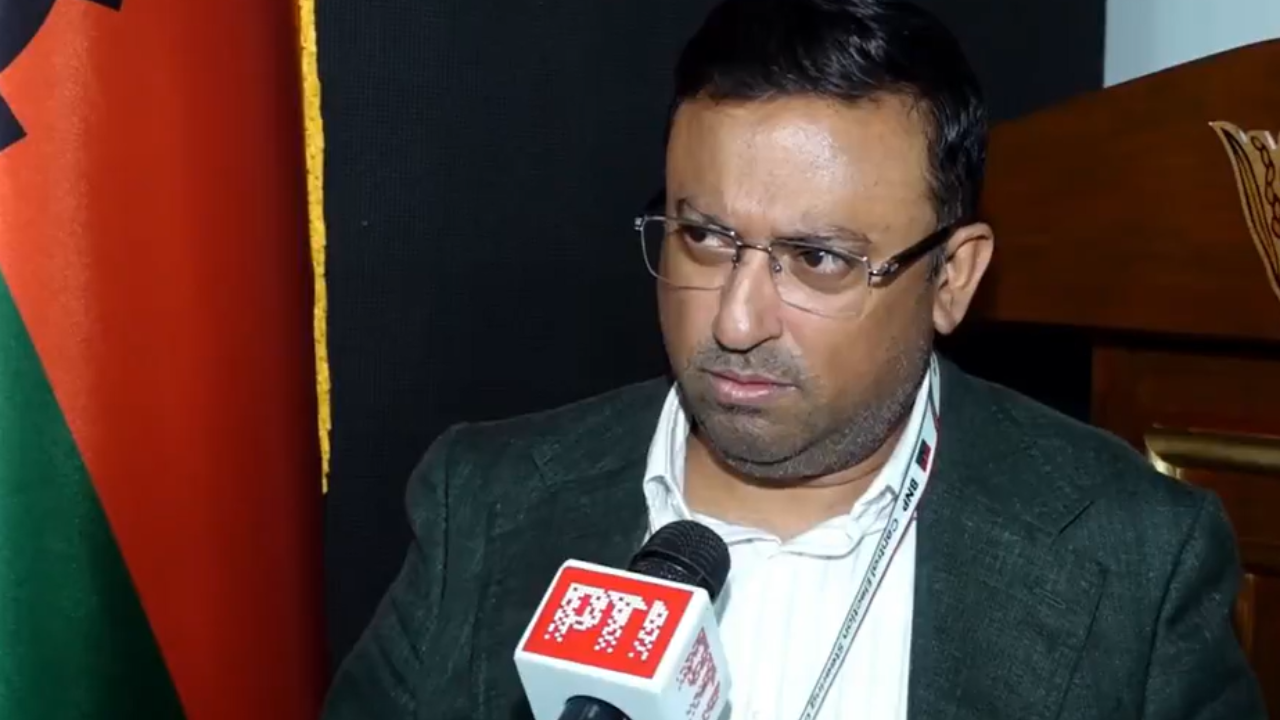
A senior adviser to Bangladesh Nationalist Party (BNP) chairman Tarique Rahman has warned that rising Hindu extremism could damage the fragile relationship between Bangladesh and India. The comment came after a recent violent clash in the border region that left several people injured and sparked a heated debate in Dhaka and New Delhi.
Background to the remark
The BNP, once the ruling party of Bangladesh, has been out of power since 2009. Its leader, Tarique Rahman, lives in exile in the United Kingdom, while the party operates under a network of senior figures who manage day‑to‑day politics. The adviser who spoke to the press is known for his close ties to the party’s leadership and for frequently commenting on foreign policy.
Bangladesh and India share a 4,000‑kilometer border, a long history of trade, and cultural links. At the same time, the two neighbours have faced periodic tension over issues such as water sharing, illegal migration, and border security. In recent years, concerns about religious nationalism in India have added a new layer of complexity to the relationship.
What sparked the warning?
Last week, a confrontation between local Bangladeshi residents and a group of Indian activists escalated into a violent encounter near the town of Bangaon in the Indian state of West Bengal. The activists, who were campaigning against what they called "anti‑Hindu policies" in Bangladesh, were met with a counter‑protest organized by community leaders. Police reports indicated that stone‑throwing and the use of blunt weapons resulted in injuries on both sides.
The incident quickly became a talking point in Bangladeshi media, with some outlets portraying the Indian activists as provocateurs and others accusing the Bangladeshi side of allowing extremist sentiment to flare. It was against this backdrop that the BNP adviser delivered his statement.
The adviser’s main points
In a brief interview with a local news channel, the adviser said:
"We are witnessing a rise in Hindu extremist rhetoric that threatens the secular fabric of our nation." "When such rhetoric crosses borders, it jeopardises the trust that Bangladesh and India have built over decades." "Both governments must act quickly to prevent further escalation and protect the rights of all communities."
He added that the BNP’s own political platform, which emphasizes secularism and minority rights, would be undermined if the government failed to address the issue.
Why the comment matters globally
The adviser’s warning touches on several broader trends that are of interest to observers beyond South Asia. First, it highlights how religious nationalism can spill over national boundaries, influencing diplomatic ties. Second, it underscores the delicate balance that India and Bangladesh must maintain as they cooperate on trade, security, and climate‑related challenges such as the management of the Ganges‑Brahmaputra river system.
International analysts note that any deterioration in India‑Bangladesh relations could have ripple effects across the region. For example, the two countries collaborate on counter‑terrorism operations and share intelligence on cross‑border crime. A loss of confidence could hamper these joint efforts and create space for non‑state actors to exploit.
Reactions from New Delhi and Dhaka
The Indian Ministry of External Affairs issued a measured response, stating that "India remains committed to peaceful coexistence with Bangladesh and condemns any form of extremism that threatens communal harmony." The statement stopped short of directly addressing the adviser’s claim about Hindu extremism, instead emphasizing the need for "mutual respect and dialogue."
In Dhaka, the ruling Awami League government expressed concern over the border incident but did not comment on the adviser’s remarks. A senior official from the Ministry of Foreign Affairs said that Bangladesh is "open to constructive engagement with India on security and humanitarian matters" and urged both sides to avoid politicising the episode.
Political implications for the BNP
The BNP, which has been trying to rebuild its support base after years of legal battles and leadership exile, sees the issue of secularism as a key differentiator from the ruling party. By foregrounding Hindu extremism, the adviser hopes to attract voters who are uneasy about religious polarization.
Political scientists point out that the BNP’s strategy carries risks. While it may resonate with minority communities and secular urban voters, it could also alienate nationalist segments of the electorate who view criticism of India as unpatriotic. The party’s ability to translate this rhetoric into electoral gains will depend on how the narrative evolves in the months leading up to the next national election.
Possible future scenarios
Three likely paths could follow the adviser’s warning:
1. Diplomatic de‑escalation – Both governments could launch a joint inquiry into the border clash, reinforce communication channels, and issue joint statements condemning extremist rhetoric. Such a move would reassure regional partners and investors. 2. Increased political rhetoric – Opposition parties in both countries might use the incident to rally their bases, leading to a cycle of accusations and counter‑accusations that strain diplomatic ties. 3. Grass‑roots initiatives – Civil society groups on both sides of the border could organize peace‑building workshops, aiming to reduce communal mistrust at the community level. Success here would depend on sustained funding and political will.
Observers recommend monitoring several indicators:
Official diplomatic communications – Any shift in tone from the foreign ministries could signal a change in policy. Border security measures – Increased patrols or new joint patrol agreements would suggest a proactive approach. Media narratives – How mainstream and social media in both countries frame the incident will influence public opinion. * Political campaigning – If the BNP or other parties incorporate the theme of religious extremism into their platforms, it may affect upcoming elections.
The adviser’s remarks on Hindu extremism have placed a spotlight on a sensitive issue that sits at the intersection of domestic politics and international relations. While the immediate trigger was a localized clash, the broader implications touch on the stability of South Asia’s largest bilateral relationship. How Bangladesh and India choose to respond—through diplomatic dialogue, security cooperation, or community outreach—will shape not only their own futures but also the regional environment for trade, security, and migration. The coming weeks will reveal whether the warning becomes a catalyst for constructive action or a flashpoint for further tension.