Hey Balwanth Movie Review
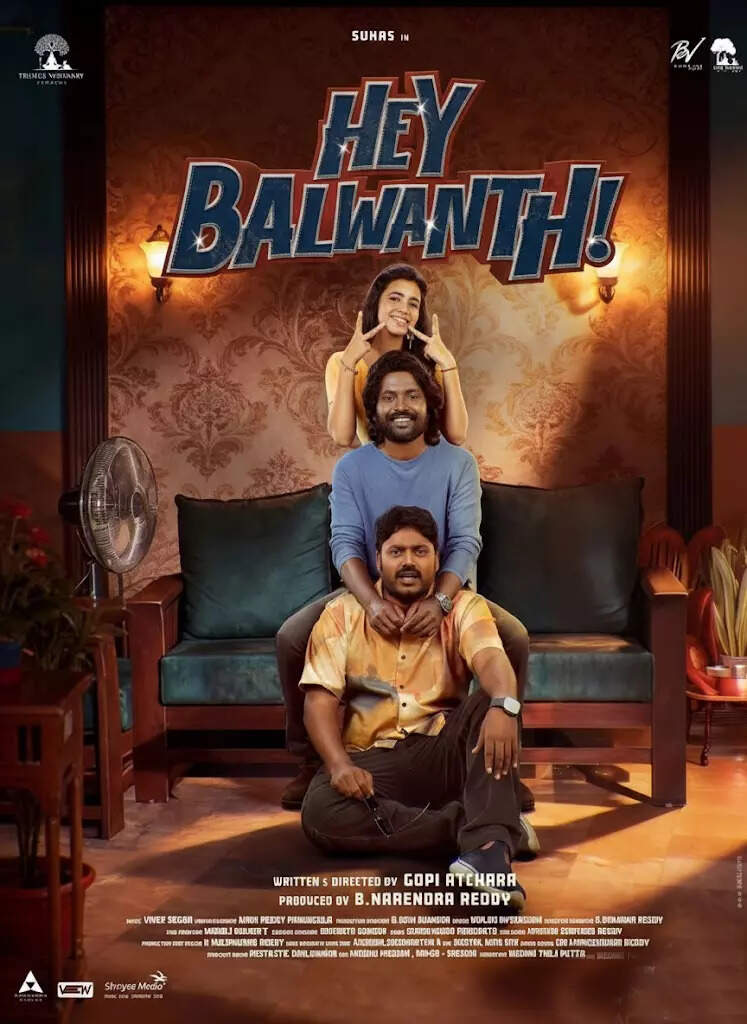
The latest release from South‑Indian cinema, Hey Balwanth, has sparked conversation far beyond its regional market. Critics and audiences alike are weighing the film’s narrative choices, technical execution, and the way it reflects shifting cultural trends. While the movie’s box‑office numbers are still climbing, its broader significance lies in how it bridges local storytelling with themes that resonate worldwide.
A brief look at the premise
Hey Balwanth follows the journey of a young man from a modest village who dreams of becoming a professional dancer. The plot intertwines his personal ambition with family expectations, a love interest, and a rivalry that pushes him to confront societal norms. The story unfolds over three acts, each marked by a distinct visual palette that mirrors the protagonist’s emotional state. By the end, the film offers a resolution that is both satisfying and open‑ended, allowing viewers to contemplate the cost of chasing one’s passion.
Direction and storytelling
Director Arjun Mehta, known for his work on socially aware dramas, takes a measured approach. He avoids melodrama, opting instead for subtle character beats and realistic dialogue. The pacing is deliberate, giving the audience time to absorb the cultural context of the protagonist’s community. Mehta’s use of long takes during dance rehearsals adds an immersive quality, while quick cuts during conflict scenes heighten tension without feeling gratuitous. This balance of rhythm reflects the film’s central motif—dance as both expression and discipline.
Performance highlights
The lead actor, Rajiv Kumar, delivers a nuanced performance that anchors the film. His physical transformation—months of intensive dance training—adds authenticity to the role. Supporting actress Priya Nair, playing the love interest, brings a quiet strength that counters the often‑romanticized portrayal of women in similar narratives. Veteran actor Suresh Patel, cast as the protagonist’s father, provides a grounded counterpoint, embodying the generational clash that many families experience today.
Cinematography and music
Cinematographer Latha Reddy captures the rural landscape with a warm, earthy tone, while the city sequences shift to cooler blues, visually reinforcing the protagonist’s internal conflict. The film’s soundtrack, composed by newcomer Ananya Singh, blends traditional folk instruments with contemporary electronic beats. This hybrid soundscape not only supports the narrative but also signals a broader trend of regional films embracing global musical influences.
Cultural relevance and global themes
At its core, Hey Balwanth tackles universal questions about identity, ambition, and the tension between tradition and modernity. Although rooted in a specific Indian locale, the story mirrors challenges faced by young people worldwide—whether it’s balancing family expectations with personal aspirations or navigating the pressures of a rapidly changing job market. The film’s emphasis on dance as a vehicle for self‑discovery resonates with international audiences familiar with similar artistic pursuits.
The movie also contributes to an ongoing conversation about representation in cinema. By foregrounding a protagonist from a non‑urban background and showcasing regional dialects, the film challenges the dominance of metropolitan narratives in mainstream Indian cinema. This shift aligns with a growing appetite for authentic, localized stories that can still appeal to a global audience.
Box‑office performance and streaming prospects
Initial reports indicate that Hey Balwanth has performed strongly in its opening weekend across key Indian territories, with a notable surge in ticket sales from tier‑2 and tier‑3 cities. Early streaming data suggests that the film will soon be added to major platforms, where its appeal could expand to diaspora communities and curious international viewers. The combination of solid theatrical earnings and a likely robust digital rollout positions the film as a potential case study for hybrid distribution models.
Industry implications
The success of Hey Balwanth may encourage producers to invest in stories that blend regional specificity with universally relatable themes. Its modest budget, coupled with high production values, demonstrates that financial constraints need not limit artistic ambition. Moreover, the film’s effective use of social media marketing—particularly short‑form video teasers that highlight dance sequences—has set a precedent for how smaller films can generate buzz without massive advertising spends.
Future impact on international cinema
If the film’s momentum continues on streaming platforms, it could influence how global distributors scout for content. Curators looking for fresh voices may turn to regional markets more often, recognizing that audiences are eager for narratives that differ from Hollywood formulas yet retain emotional accessibility. The cross‑cultural appeal of Hey Balwanth could also inspire collaborations between Indian filmmakers and overseas studios, especially in the realm of music‑driven storytelling.
Critics have praised the film for its sincerity and technical craftsmanship. Some reviewers note that the screenplay occasionally leans on familiar tropes, but argue that the execution elevates the material. The consensus points to a well‑rounded work that offers both entertainment and thoughtful commentary, a balance that is increasingly rare in fast‑paced commercial releases.
Social media chatter reflects a strong emotional connection with the protagonist’s journey. Viewers have shared personal anecdotes about pursuing artistic dreams against family expectations, creating a dialogue that extends beyond the screen. This organic engagement suggests that the film has tapped into a collective sentiment, reinforcing its relevance beyond box‑office numbers.
As Hey Balwanth continues its theatrical run and prepares for digital release, industry observers will watch its performance closely. Its ability to attract diverse audiences could reshape funding strategies for mid‑budget films, encouraging a focus on story depth over star power. Additionally, the film’s success may inspire more creators to explore the intersection of traditional art forms and contemporary storytelling.
In summary, Hey Balwanth stands out as a compelling blend of regional authenticity and universal appeal. Its thoughtful direction, strong performances, and resonant themes have positioned it as a noteworthy entry in the global cinematic landscape. Whether it becomes a benchmark for future regional productions remains to be seen, but its early impact suggests a promising shift toward more inclusive and varied storytelling in the worldwide film market.