Gurugram overtakes Mumbai to become India’s biggest Rs 10
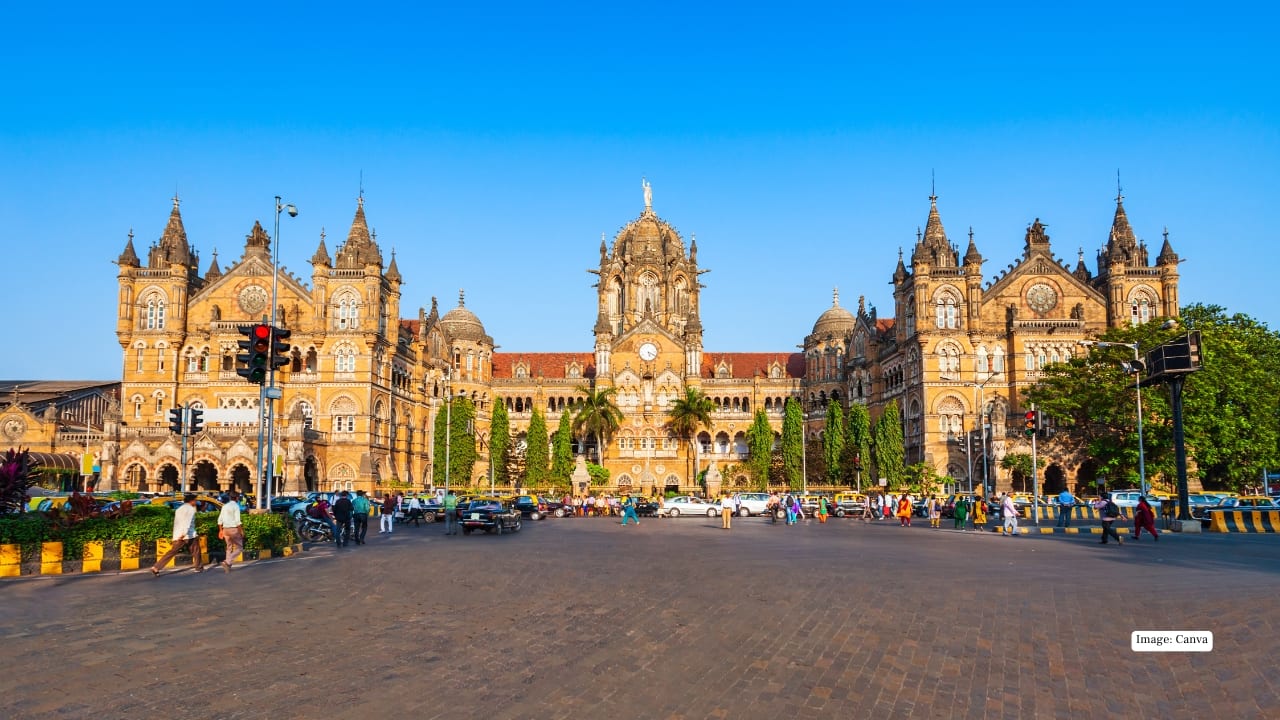
Gurugram has moved ahead of Mumbai to become the Indian city with the highest number of firms posting annual revenues of Rs 10 crore or more. The shift, confirmed by the Ministry of Corporate Affairs, marks a clear change in where large‑scale commercial activity is concentrated in the country.
Background: A long‑standing rivalry For decades, Mumbai was seen as the commercial heartbeat of India. Home to the nation’s stock exchanges, a dense network of banks, and a historic concentration of multinational headquarters, the city has traditionally led in corporate turnover. Gurugram, once a modest suburb of Delhi, began attracting technology parks and real‑estate projects in the early 2000s. Over the last two decades, the city’s skyline has transformed, and its business ecosystem has expanded rapidly.
The data behind the headline The latest corporate filing statistics show that Gurugram now hosts 3,842 companies with revenues exceeding Rs 10 crore, while Mumbai’s count stands at 3,791. The margin may appear modest, but the trend is significant because it reflects a broader redistribution of high‑value enterprises across the country. The figures include a mix of sectors – information technology, financial services, manufacturing, and fast‑growing start‑ups – illustrating the city’s diversified economic base.
Why Gurugram is gaining ground 1. Strategic location and infrastructure Gurugram’s proximity to the national capital gives it easy access to policy makers, international embassies, and a large pool of skilled professionals. The city benefits from a well‑developed road network, the Delhi Metro’s expanding reach, and a dedicated airport that handles a high volume of business travel. 2. Business‑friendly policies State and local authorities have introduced incentives such as reduced land‑lease rates, streamlined approval processes, and tax benefits for firms that set up large operations. These measures lower the cost of doing business compared with Mumbai’s higher real‑estate prices and congestion. 3. Growing tech and start‑up ecosystem Gurugram hosts several major technology parks, incubators, and venture‑capital firms. The presence of global IT giants alongside home‑grown unicorns creates an environment where companies can scale quickly and cross the Rs 10 crore revenue threshold. 4. Real‑estate development A surge in premium office space, residential complexes, and mixed‑use projects has attracted both domestic and foreign investors. Developers have focused on creating modern, sustainable buildings that meet the needs of large corporations and their employees.
Global relevance of the shift The rise of Gurugram mirrors a worldwide pattern where secondary cities are emerging as new business hubs. Investors looking for growth opportunities now view the city as a gateway to the Indian market, especially for sectors such as fintech, health‑tech, and renewable energy. The change also signals to multinational corporations that India’s economic activity is no longer confined to a single metropolis.
Potential impact on the Indian economy Job creation and talent migration As more firms cross the Rs 10 crore mark, they tend to expand their workforce. Gurugram’s employment numbers have risen steadily, drawing talent from across the country. This migration supports a higher standard of living and stimulates demand for services ranging from education to hospitality. Real‑estate price dynamics Increased corporate demand is likely to keep office‑space rents high, while residential prices may continue to climb. While this benefits developers and investors, it also raises affordability concerns for middle‑income families. Fiscal implications Higher corporate revenues translate into greater tax collections for both state and central governments. The additional fiscal resources can be directed toward infrastructure upgrades, public transport, and social programs. Competitive pressure on Mumbai Mumbai is expected to respond by reinforcing its own business incentives, improving transport links, and investing in smart‑city initiatives. The competition could lead to overall improvements in the quality of urban services across both cities.
Looking ahead Analysts predict that Gurugram’s momentum will sustain for the next five to ten years, especially as the Indian government pushes for a “Digital India” agenda and encourages foreign direct investment. However, the city will need to address challenges such as traffic congestion, environmental sustainability, and the need for affordable housing to maintain its attractiveness.
Conclusion Gurugram’s overtaking of Mumbai as the city with the most Rs 10 crore‑plus companies marks a pivotal moment in India’s urban economic landscape. The shift reflects strategic advantages, supportive policies, and a thriving tech ecosystem. As the city continues to grow, its influence will extend beyond national borders, shaping investment patterns and employment trends across the region. The development underscores the dynamic nature of India’s economy, where new centers of growth can emerge rapidly, reshaping the traditional hierarchy of Indian cities.