Growing Evidence U.S. Tomahawk Struck School In Iran
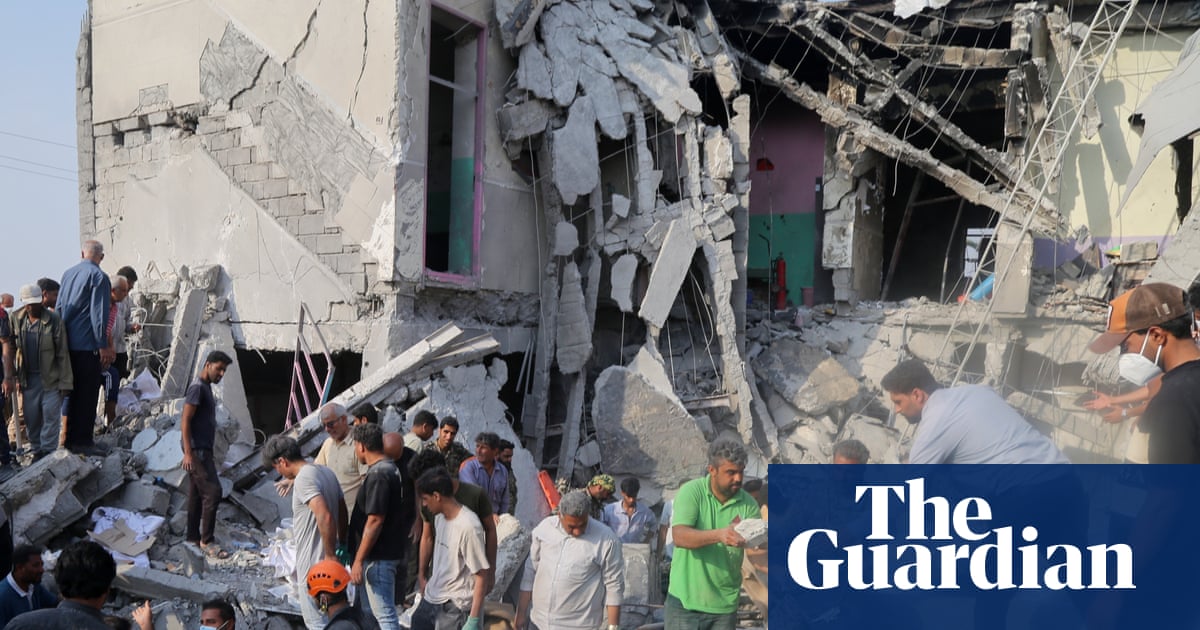
A growing body of satellite images, eyewitness accounts and independent analysis points to the possibility that a U.S. Tomahawk cruise missile struck an elementary school in western Iran during a recent military exchange. The claim, first raised by regional monitoring groups, has quickly become a focal point for diplomatic talks, humanitarian concerns and media scrutiny.
Background to the conflict
Tensions between the United States and Iran have risen sharply over the past year, fueled by disputes over nuclear negotiations, regional proxy wars and a series of retaliatory strikes. Both sides have exchanged missile warnings and limited air attacks, each accusing the other of violating international norms. In this climate, the use of long‑range precision weapons such as the Tomahawk has become a point of contention, with Washington defending its right to defend American interests and Tehran condemning any strike on its sovereign territory.
According to a coalition of open‑source investigators, a missile impact was recorded at 14:32 local time near the town of Qomshahr, a small community that hosts several public schools. High‑resolution satellite photos taken before and after the alleged strike show a distinct crater on the roof of a building identified as a primary school. The images also reveal smoke and debris consistent with an explosive event. Local residents, speaking to journalists on the ground, described hearing a loud bang followed by a flash of light and the sound of shattering glass. Several teachers reported injuries among students, though official casualty figures have not been released.
How the evidence is being verified
Independent analysts from the International Missile Monitoring Center (IMMC) have cross‑checked the satellite data with radar tracks published by a European defense agency. The radar logs indicate a cruise missile launch from a naval vessel in the Persian Gulf, heading eastward at a speed and trajectory matching a Tomahawk model. The IMMC’s report notes that the missile’s flight path aligns with the location of the school, strengthening the case for a direct hit. Meanwhile, the United Nations Office for the Coordination of Humanitarian Affairs (OCHA) has dispatched a fact‑finding team to assess damage and verify civilian impact.
International reaction
The alleged strike has prompted swift statements from multiple governments. The European Union called for an immediate investigation, emphasizing the need to protect civilian infrastructure under international law. The United Nations Secretary‑General urged restraint on all sides and warned that attacks on schools could constitute a war crime. In Washington, senior officials have neither confirmed nor denied involvement, instead describing the incident as "under review" and pledging transparency once more information becomes available.
Potential diplomatic fallout
If the evidence is confirmed, the incident could reshape diplomatic calculations in the region. Iran has already threatened a proportional response, raising the specter of further escalation. A confirmed U.S. strike on a civilian school could also complicate ongoing nuclear talks, as Tehran may demand concessions or a halt to sanctions in exchange for de‑escalation. Conversely, the United States might argue that the target was a legitimate military facility mistakenly identified, seeking to mitigate criticism by citing the fog of war.
Humanitarian concerns
Beyond the political ramifications, the human cost remains the most pressing issue. Schools are protected spaces under the Geneva Conventions, and any violation triggers a strong moral response. Aid organizations are mobilizing to provide medical assistance, counseling and temporary learning spaces for displaced children. The incident has also reignited a broader debate about the use of precision weapons in densely populated areas, where even a single miscalculation can cause civilian casualties.
The next few weeks will likely see a flurry of diplomatic activity. The International Committee of the Red Cross has offered to mediate a dialogue between the two governments to prevent further civilian harm. Meanwhile, intelligence agencies on both sides are reportedly reviewing targeting protocols to avoid similar incidents. Analysts suggest that a transparent investigation, possibly under UN auspices, could help de‑escalate tensions and restore some measure of trust.
The emerging picture of a U.S. Tomahawk missile striking an Iranian school underscores the fragile nature of the current geopolitical environment. While the full facts are still being assembled, the incident highlights the risks inherent in modern warfare, where high‑tech weapons can inadvertently affect civilian life. The international community now faces a test: to balance security objectives with the imperative to protect non‑combatants, and to ensure that any response does not spiral into a broader conflict. The outcome of investigations and diplomatic talks will shape not only the immediate relationship between Washington and Tehran, but also set a precedent for how similar incidents are handled worldwide.