Grey’s Anatomy Star Eric Dane Passes Away At 53 Following ALS Battle
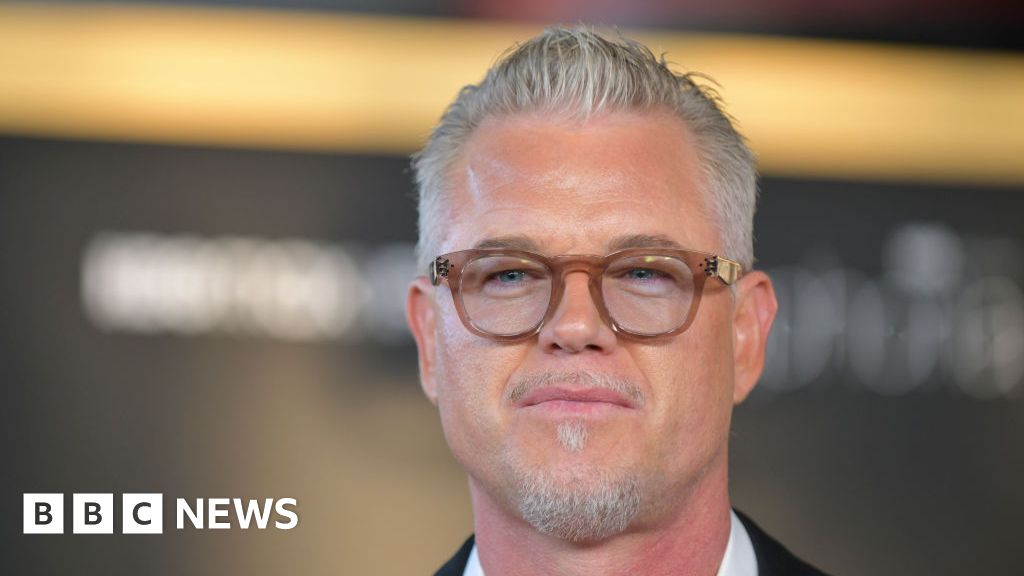
Actor Eric Dane, best known for his role as Dr. Mark Sloan on the long‑running medical drama, has died at the age of 53 after a private battle with amyotrophic lateral sclerosis (ALS). The news has sparked an outpouring of grief from fans, colleagues, and health advocates worldwide, bringing renewed attention to a disease that remains largely misunderstood.
Dane first entered the public eye in the early 2000s with guest spots on popular shows such as "Charmed" and "The O.C." His breakthrough came in 2005 when he joined the cast of "Grey’s Anatomy" as the charismatic surgeon known for his witty one‑liners and compassionate bedside manner. Over eight seasons, his character became a cultural touchstone, earning a dedicated fan base and several award nominations. Beyond television, Dane appeared in films like "Valentine's Day" and "Burlesque," showcasing a versatility that kept him in demand for more than a decade.
A Private Battle with ALS
In 2022, Dane received a diagnosis of ALS, a progressive neurodegenerative disease that attacks the motor neurons responsible for controlling muscle movement. The actor chose to keep his condition out of the spotlight, focusing instead on treatment and family. Over the following years, he worked closely with neurologists and participated in clinical trials, hoping to contribute to a better understanding of the illness. Friends describe his approach as quietly determined, preferring to let his work speak for him while he fought a disease that often silences its victims.
News of his passing spread quickly across social media platforms, with hashtags trending within minutes. Co‑stars shared heartfelt tributes, recalling his generosity on set and his willingness to mentor younger actors. Fans posted memories of favorite scenes, emphasizing how his on‑screen compassion mirrored his off‑screen kindness. The outpouring highlighted the deep connection viewers felt with a character who, despite being fictional, represented hope and resilience during challenging medical storylines.
Why It Matters Globally
While Dane’s career was rooted in American television, his influence reached a global audience. "Grey’s Anatomy" is syndicated in more than 150 countries, and his character’s storylines often addressed universal themes such as loss, love, and ethical dilemmas in healthcare. His death underscores how public figures can humanize complex health issues, prompting international conversations about ALS, a disease that affects an estimated 450,000 people worldwide. The global response demonstrates the power of media personalities to bridge cultural gaps and raise awareness beyond borders.
Boosting ALS Awareness
Since his diagnosis, Dane quietly supported ALS research charities, contributing to fundraising events and encouraging fans to donate. His passing is expected to reignite campaigns like the ALS Ice Bucket Challenge, which first went viral in 2014. Experts say that high‑profile cases often lead to spikes in donations and volunteer sign‑ups, providing a crucial boost for laboratories seeking to develop disease‑modifying therapies. Advocacy groups are already planning memorial walks and online webinars to honor his memory while educating the public about early symptoms and the importance of early diagnosis.
The loss of a well‑known actor to ALS may accelerate policy discussions around funding for neurodegenerative disease research. Legislators in several countries have cited celebrity cases when arguing for increased federal grants and streamlined approval processes for experimental treatments. In the entertainment industry, producers are reportedly considering storylines that more accurately portray the day‑to‑day realities of living with ALS, aiming to reduce stigma and foster empathy.
Eric Dane’s career left an indelible mark on television history, and his personal fight with ALS adds a poignant chapter to his story. As fans continue to celebrate his performances, the broader community is reminded of the urgent need for scientific breakthroughs. His memory now serves a dual purpose: honoring a talented actor and inspiring a renewed commitment to finding a cure for a disease that has claimed too many lives.
The outpouring of support, the renewed focus on ALS research, and the global conversations sparked by his passing illustrate how a single life can influence both popular culture and public health. While the entertainment world mourns the loss of a beloved star, the hope remains that his legacy will help accelerate progress toward a future where ALS is no longer a fatal diagnosis.