Google Pixel 10a launched in India with Tensor G4 processor and 48 MP camera
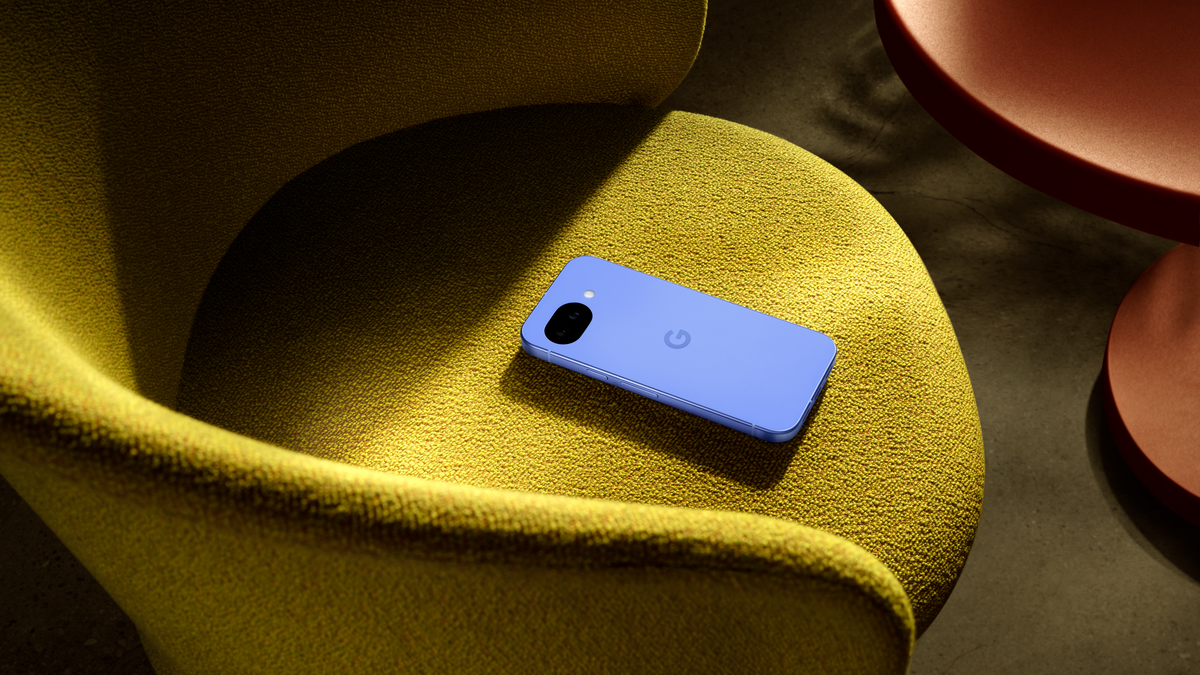
Google has introduced its latest budget‑friendly smartphone to the Indian market, the Pixel 10a. The device combines the company’s in‑house Tensor G4 processor with a 48‑megapixel primary camera, aiming to bring premium‑level photography and AI features to a price‑sensitive segment.
Key specifications and design The Pixel 10a follows the design language of its predecessor, offering a 6.1‑inch OLED display with a 1080p resolution and a 90 Hz refresh rate. Under the hood sits the Tensor G4, Google’s fourth‑generation custom silicon that promises faster on‑device machine learning, smoother multitasking, and better power efficiency than the older Tensor G2. Memory options include 6 GB of RAM paired with 128 GB of internal storage, while a 4,500 mAh battery supports fast charging up to 30 W. The camera setup is the headline feature: a 48‑MP main sensor, a 12‑MP ultra‑wide lens, and a 12‑MP front‑facing shooter. Google’s software processing, including Night Sight and Real Tone, is expected to deliver vivid, true‑to‑life images even in low light.
Pricing and positioning The company has priced the Pixel 10a at roughly 23,999 rupees, positioning it just below the 25,000‑rupee mark that many Indian consumers consider the sweet spot for a reliable mid‑range phone. This price point undercuts several rivals from Samsung, Xiaomi, and Realme that offer comparable hardware but lack Google’s integrated AI experience. By bundling a high‑resolution camera and the latest Tensor chip at this level, Google hopes to attract first‑time Pixel buyers and users who previously opted for cheaper, less feature‑rich devices.
Competitive landscape India’s smartphone market is dominated by Android manufacturers that focus on aggressive pricing and large feature sets. Brands such as Samsung’s Galaxy A series, Xiaomi’s Redmi line, and Realme’s Narzo models have built strong distribution networks and extensive after‑sales support. The Pixel 10a’s main differentiators are its software ecosystem—regular Android updates, guaranteed security patches for five years, and exclusive AI tools like Recorder and Live Translate. Analysts note that while the hardware specs are competitive, the success of the device will hinge on Google’s ability to convince Indian shoppers that the software advantages justify a slightly higher price than some local brands.
Why the launch matters globally Google’s decision to bring a new Pixel model to India reflects a broader strategy to expand its hardware footprint beyond North America and Europe. India represents the world’s second‑largest smartphone market, and gaining a foothold there can provide valuable data for refining Tensor processors and AI services. Moreover, the launch showcases Google’s confidence in the Tensor G4’s performance; the chip is already being used in flagship devices in other regions, and its rollout in a budget tier tests its scalability. Success in India could encourage Google to introduce similar mid‑range models in other emerging markets such as Brazil and Southeast Asia.
Potential future impact If the Pixel 10a resonates with Indian consumers, it could shift the perception of Google as a niche premium brand toward a more mass‑market player. Strong sales would likely prompt Google to invest further in local partnerships, including carrier bundles and financing options that are common in the region. Additionally, a robust user base would generate more on‑device learning data, allowing the Tensor line to improve its AI capabilities faster. Conversely, a lukewarm response might lead Google to reassess its pricing strategy or focus on higher‑margin flagship devices.
Looking ahead The launch arrives at a time when AI‑driven features are becoming a key selling point for smartphones worldwide. By embedding the Tensor G4 and a high‑resolution camera in an affordable package, Google is betting that consumers will prioritize software experience as much as raw hardware specs. The coming months will reveal whether Indian shoppers embrace this approach, and the outcome could influence how other manufacturers balance cost, performance, and AI integration in their own product lines. Regardless of the immediate sales figures, the Pixel 10a marks a notable step in Google’s effort to make its vision of a seamless, AI‑enhanced mobile ecosystem a reality for a broader audience.