Google I/O 2026 announced for May 2026: Here's what to expect
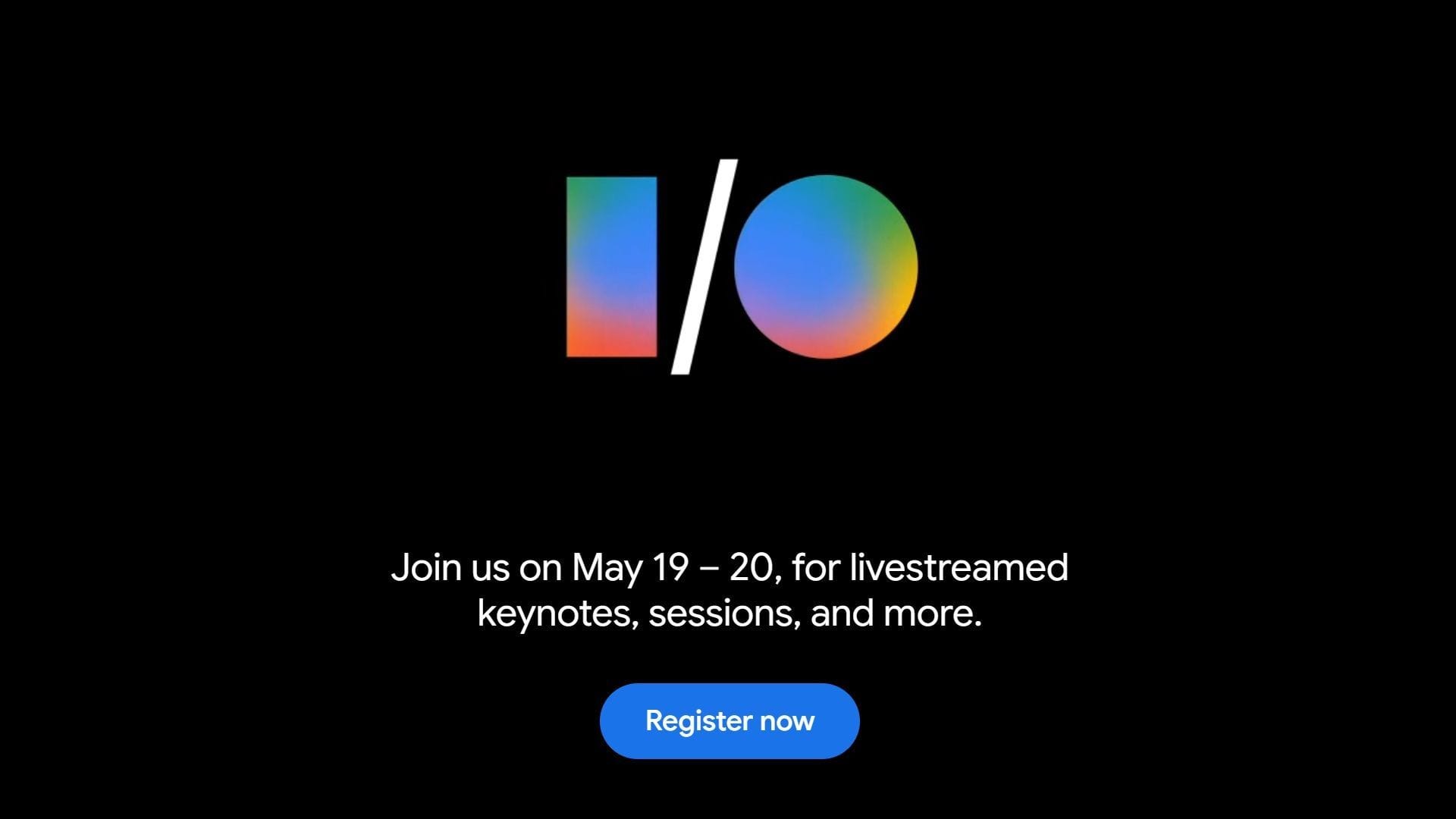
Google has confirmed that its annual developer conference will return this spring, and the tech community is already buzzing about the lineup. The event, traditionally a showcase for the company’s latest software, hardware and AI breakthroughs, is set to draw thousands of developers, journalists and industry leaders from around the world. Organisers promise a mix of keynote speeches, hands‑on labs and product unveilings that could shape the direction of mobile, cloud and artificial‑intelligence services for years to come.
Since its debut in 2008, the conference has become a bellwether for Google’s strategic priorities. Past editions introduced Android’s major version upgrades, the launch of the Chrome browser, and the first public demos of Google Assistant. More recently, the event highlighted the company’s push into generative AI, with tools like Gemini and Bard taking center stage. Those moments not only set developer roadmaps but also signaled broader market trends, influencing everything from smartphone sales to enterprise cloud adoption.
Why the upcoming edition matters globally
The tech ecosystem is at a crossroads. AI models are becoming more capable, privacy regulations are tightening, and competition in the mobile arena is fierce. Google’s next conference will therefore be more than a product showcase; it will be a glimpse into how the company plans to navigate these challenges. For developers, the announcements will dictate which platforms receive the most support and investment. For businesses, the new services could affect cost structures, data strategies and competitive positioning. And for consumers, the ripple effects may appear as smarter apps, longer‑lasting devices and more secure online experiences.
AI and machine‑learning breakthroughs
The biggest headline expected is a deeper dive into Google’s next‑generation AI model, rumored to be an evolution of Gemini. Early leaks suggest the model will handle multimodal inputs—text, image, audio and video—more fluidly than before, and it may be offered through a more flexible pricing tier for developers. If the company delivers on these promises, small startups could gain access to powerful generative tools without the heavy compute costs that currently limit many AI projects.
In addition to the core model, Google is likely to unveil new APIs that simplify the integration of AI into everyday apps. Expect updates to TensorFlow, the open‑source machine‑learning library, and a refreshed version of Vertex AI, the cloud‑based platform that helps teams train, deploy and monitor models at scale. These tools aim to lower the barrier for developers who want to embed features such as real‑time translation, image generation or predictive analytics.
Android, Wear OS and hardware updates
Android remains the world’s most widely used mobile operating system, and each conference typically brings a new version. While the exact name has not been confirmed, the upcoming release is expected to focus on performance enhancements, battery optimization and tighter integration with AI services. Features such as on‑device language models could enable faster, offline voice commands, addressing privacy concerns that have grown in recent years.
Wear OS, Google’s platform for smartwatches and other wearables, is also slated for a refresh. The company has hinted at a redesign that emphasizes health tracking, improved battery life and a more seamless hand‑off between phone and watch. If the new iteration delivers on these points, it could help Google regain market share in a segment currently dominated by competitors.
Beyond software, the conference may showcase prototype hardware. Rumors point to a next‑generation Pixel phone with a custom AI chip designed to accelerate on‑device processing. Such a device would demonstrate how tightly coupled hardware and software can deliver experiences that are both fast and privacy‑friendly.
Cloud services and developer tools
Google Cloud has been a growth engine for the company, and the conference will likely highlight new services that target both enterprise and indie developers. Anticipated announcements include expanded support for Kubernetes, deeper integration with open‑source projects and a suite of tools for building serverless applications.
A notable focus is expected to be on “sustainable cloud” initiatives. Google has pledged to run its data centers on carbon‑free energy, and new reporting tools may allow customers to track the environmental impact of their workloads in real time. This aligns with a broader industry shift toward greener computing.
Developers can also look forward to updates to the Android Studio IDE, including AI‑driven code suggestions and faster build times. The IDE’s new assistant feature is rumored to suggest UI components based on design mock‑ups, further streamlining the development cycle.
Privacy, security and regulatory compliance
With governments worldwide tightening data‑protection laws, Google is under pressure to demonstrate responsible handling of user information. The upcoming conference is expected to unveil new privacy‑focused APIs that give developers granular control over data collection and storage.
One such initiative could be a unified consent framework that works across Android, web and cloud services. By standardizing how apps request and manage permissions, Google hopes to reduce friction for users while keeping developers compliant with regulations such as GDPR and CCPA.
Security updates are also on the agenda. Google may introduce a refreshed version of its Play Protect service, leveraging AI to detect malicious apps before they reach users’ devices. Enhanced encryption options for cloud storage and a tighter integration with the company’s zero‑trust security model are additional possibilities.
The developer community’s role
Google’s conferences have always been as much about community building as about product launches. The event will feature a series of hands‑on labs, hackathons and mentorship sessions aimed at helping developers of all skill levels adopt the new tools. Scholarships for under‑represented groups and regional meet‑ups are also part of the plan, reinforcing Google’s commitment to a diverse ecosystem.
For many independent developers, the conference serves as a marketplace for ideas. Access to early‑stage APIs and hardware prototypes can inspire new apps, services and business models. The ripple effect often extends beyond the tech sector, influencing education, healthcare and even public‑sector projects that rely on digital solutions.
While the exact announcements will only be confirmed when the keynote begins, the themes emerging from the invitation paint a clear picture: Google is doubling down on AI, tightening the integration between its hardware and software, and addressing privacy and sustainability head‑on. For the global tech landscape, these moves could accelerate the adoption of AI‑powered services, push competitors to innovate faster and set new standards for responsible data handling.
Developers and businesses that stay attuned to the upcoming releases will be better positioned to leverage the next wave of technology. Whether it’s building smarter mobile apps, deploying efficient cloud workloads or creating privacy‑first experiences, the tools unveiled at the conference are likely to shape the digital economy for the remainder of the decade.
The stage is set, the audience is ready, and the tech world will be watching closely as Google reveals its vision for the future.