Force multiplier: A new Rafale deal
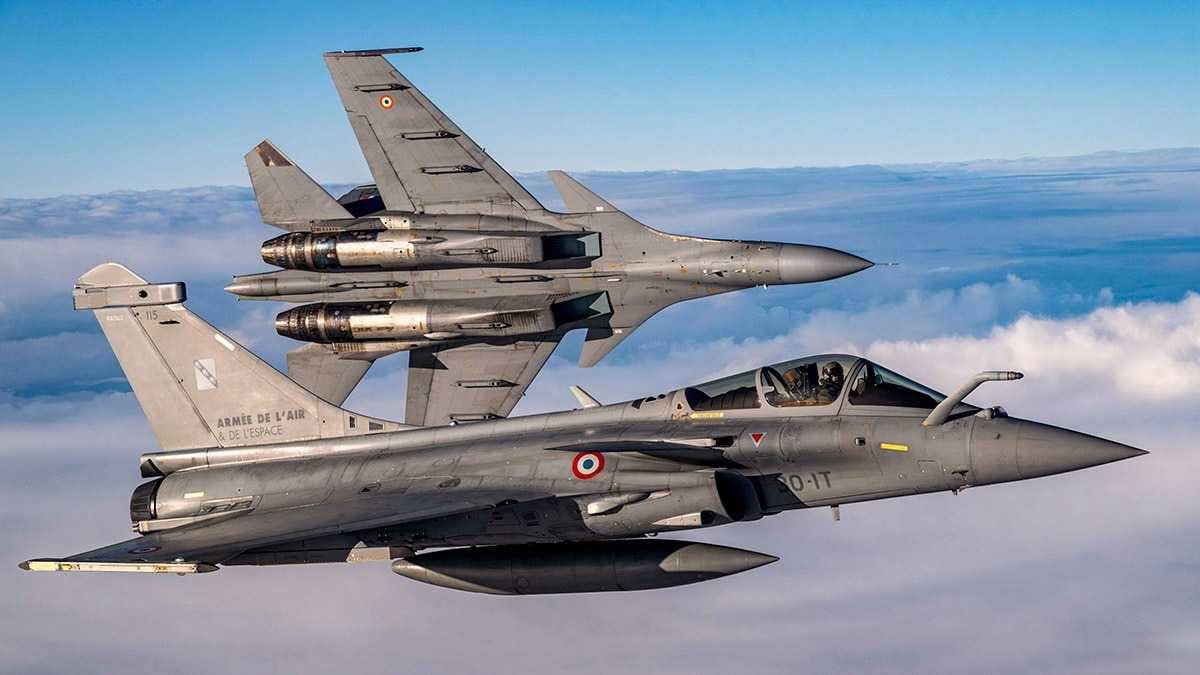
A multi‑year contract for advanced Rafale fighter jets has been signed, marking a significant step for both the buyer and the French aerospace industry. The agreement brings a modern combat platform to a nation seeking to upgrade its air force while deepening defence cooperation with France. The deal is expected to influence regional security calculations and open new avenues for industrial collaboration.
The Rafale, developed by Dassault Aviation, is a twin‑engine, multirole aircraft capable of air‑to‑air, air‑to‑ground, and reconnaissance missions. Since its entry into service in the early 2000s, the jet has been praised for its agility, advanced avionics, and the ability to carry a wide range of weapons. Its design emphasizes flexibility, allowing a single airframe to perform diverse tasks without extensive modifications. Over the past two decades, the Rafale has been exported to several countries, establishing a reputation as a reliable fourth‑generation fighter.
Previous sales have taken the Rafale to India, Qatar, Egypt, Greece, and Indonesia, among others. Each export has been accompanied by training programmes, logistical support, and, in many cases, technology‑transfer components. These partnerships have helped France maintain a steady flow of defence revenue while providing partner nations with a credible deterrent capability. The latest contract builds on this track record, adding another strategic partner to the Rafale family.
Under the new agreement, the purchasing nation will receive twelve Rafale aircraft, with an option to acquire additional units within the next decade. The deal includes a comprehensive support package that covers pilot and technician training, spare‑parts supply, and the establishment of a dedicated maintenance hub on the buyer’s territory. The aircraft will be delivered in phases, allowing the air force to integrate the jets gradually while maintaining operational readiness.
Financial terms have not been disclosed in full, but the contract is understood to be valued in the billions of euros, reflecting the high cost of modern combat aircraft and associated services. Deliveries are scheduled to begin within two years of the signing, with the final batch expected to arrive before the end of the decade. The phased approach gives the purchasing nation time to develop the necessary infrastructure and to train crews on the sophisticated systems embedded in the Rafale.
For the buyer, the acquisition represents a major leap in air‑power capability. The Rafale’s ability to operate in contested environments, combined with its advanced sensor suite, will enhance the nation’s capacity to protect its airspace and project power regionally. The aircraft also offers interoperability with existing platforms, enabling joint exercises with allied forces and improving overall mission effectiveness.
From France’s perspective, the contract reinforces its position as a leading exporter of high‑technology defence equipment. By securing a new customer, the French aerospace sector gains a stable revenue stream that supports ongoing research and development. The deal also aligns with Paris’s broader diplomatic goal of strengthening ties with partners in the Indo‑Pacific region, where maritime security and air dominance are increasingly important.
A key element of the agreement is the inclusion of industrial offsets. French firms will collaborate with local aerospace companies to assemble certain components, provide maintenance services, and share technical expertise. This cooperation is designed to create jobs, foster skill development, and stimulate the growth of a domestic defence industrial base. In return, the buyer gains greater autonomy over the lifecycle of its fleet and a deeper understanding of the technology involved.
The introduction of Rafale jets is likely to shift the regional balance of power. Neighbouring states will take note of the enhanced capabilities, potentially prompting a reassessment of their own defence postures. At the same time, the deal may encourage further dialogue on security cooperation, confidence‑building measures, and joint training initiatives. By integrating a platform that is compatible with NATO standards, the buyer also positions itself for closer alignment with Western defence structures.
Looking ahead, the contract sets the stage for future collaboration beyond the initial purchase. Possibilities include joint development of next‑generation weapons, participation in multinational exercises, and deeper integration of command‑and‑control systems. As the Rafale fleet becomes operational, the buyer will be better equipped to respond to emerging threats, protect its interests, and contribute to regional stability. The deal therefore serves not only as a transaction but as a long‑term partnership that could shape air‑power dynamics for years to come.