'Erroneous': Supreme Court Sets Aside HC Verdict That Grabbing Minor's Breasts, Loosening Pyjama String Wasn't Rape Attempt
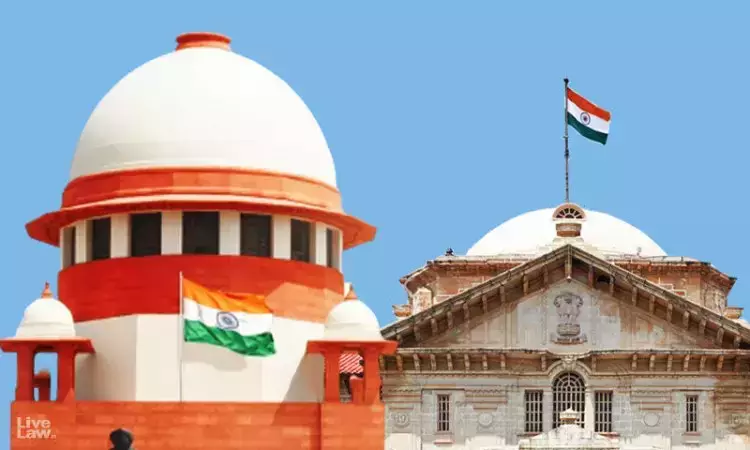
The nation’s top court has set aside a lower‑court decision that had ruled a sexual assault on a minor was not a rape attempt. The Supreme Court’s reversal underscores how Indian law defines consent, intent and the seriousness of crimes against children.
Case Overview A teenage girl filed a criminal complaint after an adult male allegedly grabbed her breasts and pulled down the string of her night‑gown. The incident, which took place in a private residence, was reported as an attempted rape. The victim’s family sought a swift trial, citing the vulnerability of a minor and the physical nature of the assault.
High Court Ruling The high court dismissed the rape allegation, stating that the act did not meet the legal threshold for an attempt. The bench argued that the accused’s conduct, while indecent, lacked the specific intent required for a rape attempt under the Indian Penal Code. The decision sparked outrage among child‑rights groups, legal scholars and the general public, who felt the judgment downplayed the seriousness of the act.
Critics pointed out that the ruling could set a dangerous precedent, allowing perpetrators to escape harsher penalties for similar conduct. Media commentary highlighted the gap between the letter of the law and societal expectations of protection for minors.
Supreme Court Review The Supreme Court agreed to hear a petition challenging the high court’s interpretation. In a detailed judgment, the apex court clarified that any non‑consensual sexual contact with a minor, regardless of the alleged intent, constitutes an attempt under Section 376 of the Penal Code. The justices emphasized that the law must protect children from any form of sexual violation, and that the accused’s motive is irrelevant when the victim is under the age of consent.
The bench also noted that the act of pulling down a garment’s string is a clear indication of sexual intent, especially when performed on a minor who cannot legally give consent. By overturning the earlier verdict, the Supreme Court reinforced the principle that the protection of children is paramount and that the judiciary must interpret statutes in a manner that safeguards vulnerable individuals.
Legal Significance The judgment clarifies several contentious points: - Definition of Attempt: The court broadened the scope of what qualifies as an attempted rape, focusing on the act itself rather than the success of the assault. - Consent and Age: It reiterated that minors cannot consent to any sexual act, eliminating any ambiguity about the role of consent in cases involving children. - Punishment Framework: The decision aligns lower courts with the stringent penalties prescribed for sexual offenses against minors, ensuring uniformity across jurisdictions.
Legal experts say the ruling will likely influence ongoing and future cases where the line between indecent exposure and attempted rape has been blurred. Prosecutors now have a clearer mandate to pursue harsher charges when the victim is a child, even if the assault was not completed.
International Perspective The case resonates beyond India’s borders. International human‑rights bodies have long urged nations to tighten laws against child sexual abuse. By reinforcing a strict interpretation of rape attempts, the Supreme Court’s decision aligns India with global standards set by the United Nations Convention on the Rights of the Child and the Council of Europe’s Convention on the Protection of Children against Sexual Exploitation.
Human‑rights NGOs have welcomed the ruling, noting that it sends a strong message to offenders worldwide that sexual violence against minors will not be tolerated. The judgment may also influence other common‑law jurisdictions that look to Indian case law for comparative insights.
Looking Ahead The reversal is expected to have immediate effects on the criminal justice system: - Case Backlog: Courts may see an influx of appeals and new filings as victims seek justice under the clarified legal framework. - Training for Law Enforcement: Police and investigators will need updated guidance on handling evidence and interviewing minors to meet the higher evidentiary standards set by the Supreme Court. - Public Awareness: Advocacy groups are likely to use the decision to launch campaigns that educate families about children’s rights and the legal recourse available.
Legal scholars also warn that the judiciary must remain vigilant to ensure the ruling translates into consistent practice at the district level. In many regions, resource constraints and social attitudes can still hinder the effective prosecution of sexual crimes against children.
Conclusion The Supreme Court’s decision to overturn the high court’s verdict marks a pivotal moment in India’s fight against sexual violence targeting minors. By affirming that any non‑consensual sexual act on a child is an attempted rape, the court has reinforced the protective intent of the law and set a precedent that may shape future jurisprudence both domestically and internationally. The ruling underscores the responsibility of the legal system, law‑enforcement agencies and society at large to safeguard children from exploitation and to ensure that justice is both swift and decisive.