Emerald Fennell's Wuthering Heights divides critics and audiences, does it manage to capture the violence of the original novel or is it just horny?
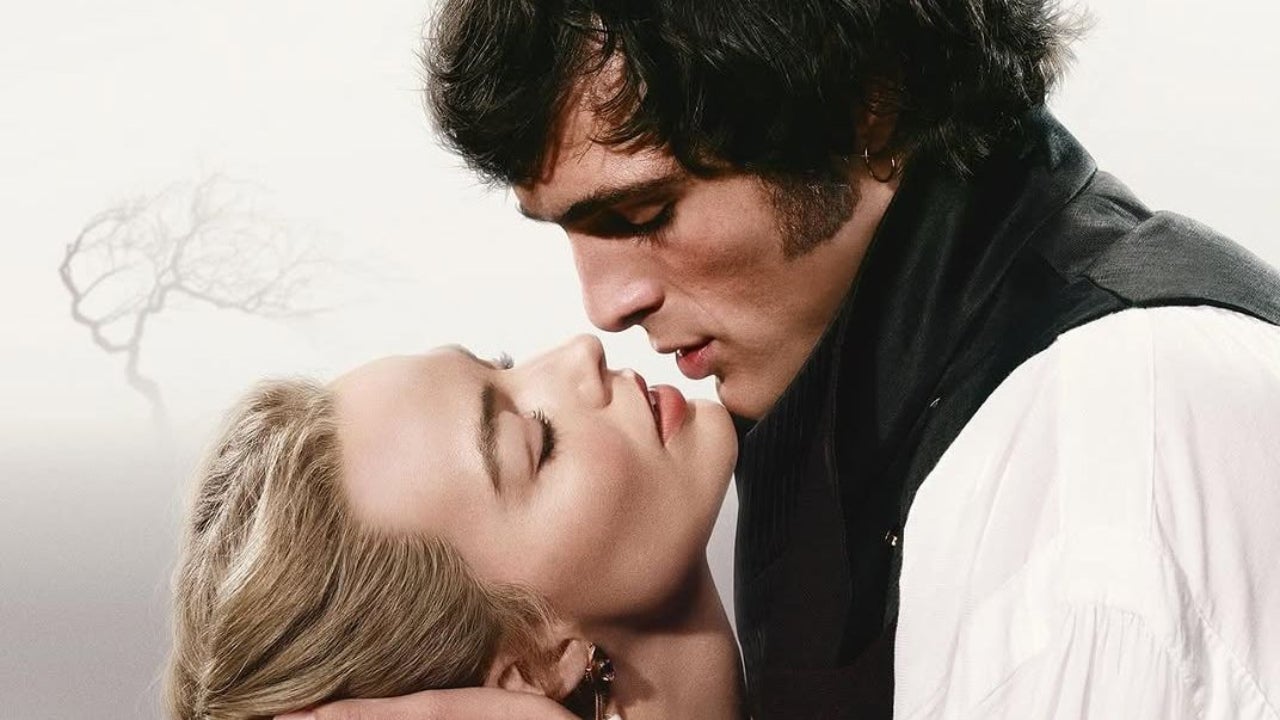
Emerald Fennell’s latest film has ignited a heated conversation among critics and moviegoers alike. The director’s take on the classic novel Wuthering Heights has been praised for its visual flair, yet many wonder whether it truly reflects the story’s raw violence or simply leans into sensual spectacle.
Background of the Classic
Emily Brontë’s 1847 novel remains one of the most studied works of English literature. Its themes of obsessive love, revenge, and the harshness of the Yorkshire moors have inspired countless adaptations. The novel’s reputation rests on its intense emotional landscape and the brutal actions of its characters, especially Heathcliff. Any new version is expected to balance the story’s poetic melancholy with its darker, more violent moments.
Known for her sharp storytelling in Promising Young Woman, Fennell approached Wuthering Heights with a modern sensibility. She described the project as an attempt to “show the raw, untamed energy that drives the characters, without sanitizing the pain.” The film opens with sweeping shots of storm‑tossed moors, followed by close‑up, handheld scenes of the main characters’ confrontations. The director chose a muted colour palette punctuated by sudden bursts of red, meant to signal moments of aggression or desire.
In interviews, Fennell said she wanted to make the audience feel the “physicality of the conflict.” To that end, the film includes several explicit fight sequences and moments of sexual tension that are more graphic than in most previous adaptations. Some viewers have called these choices a bold attempt to mirror the novel’s unflinching nature; others argue they cross the line into gratuitousness.
Reviews have split along clear lines. Critics who appreciate the director’s daring note the film’s strong performances, especially the leads who convey both love and hatred with palpable intensity. One reviewer highlighted the way the cinematography captures the bleakness of the setting, saying it “makes the moors feel like a character in their own right.”
Conversely, a number of reviewers criticize the film for focusing too heavily on erotic imagery. They argue that the explicit scenes distract from the deeper psychological motives that drive the characters. One critic wrote that the film “confuses raw passion with mere titillation,” suggesting that the director’s attempt to visualize violence ends up feeling more like a glossy thriller than a faithful literary adaptation.
The debate has also extended to the screenplay. While some praise the trimmed dialogue for its brisk pace, others miss the novel’s lyrical prose. The omission of certain interior monologues, they claim, reduces the story’s emotional depth, leaving viewers to rely on visual cues that may not fully convey the characters’ inner turmoil.
On social media, audiences echo the critical divide. Fans of the novel who enjoy bold reinterpretations applaud the film’s willingness to portray the darker aspects of the story. They point to scenes where Heathcliff’s rage is shown through visceral, unfiltered action, arguing that this aligns with Brontë’s intent to shock readers of her time.
Other viewers, however, feel the film leans too much into sexual content at the expense of narrative coherence. Comments frequently mention that the explicit moments feel “forced” or “out of place,” especially when they interrupt quieter, more reflective scenes. The film’s rating, which allows for mature content, has also been a point of discussion, with some suggesting a more restrained approach might have broadened its appeal.
What the Debate Means
The split reaction highlights a larger conversation about how classic literature should be adapted for modern screens. Filmmakers must decide whether to preserve the original tone, update themes for contemporary audiences, or blend both approaches. Fennell’s version demonstrates the risks involved: a bold visual style can attract attention, but it can also alienate viewers who expect a more faithful retelling.
The discussion also touches on the role of violence and sexuality in storytelling. When does graphic representation serve the narrative, and when does it become a marketing tool? Audiences are increasingly aware of these nuances, and their feedback can shape future adaptations of beloved works.
Box‑office numbers show a steady flow of viewers, indicating that curiosity alone is driving ticket sales. Whether the film will enjoy long‑term success may depend on word‑of‑mouth and the strength of its streaming performance after theatrical release.
For Emerald Fennell, the response could influence her next project. The director’s willingness to push boundaries has earned both praise and criticism, suggesting she will likely continue to explore complex, adult themes. Industry observers note that studios may become more cautious when green‑lighting adaptations that blend explicit content with classic material.
In the broader cultural context, the film adds to an ongoing reassessment of how historic texts are presented to new generations. As streaming platforms and global audiences expand, creators will face growing pressure to balance artistic integrity with commercial viability.
Emerald Fennell’s Wuthering Heights has sparked a lively debate about the balance between violence, sensuality, and storytelling fidelity. While some see the film as a daring visual interpretation that captures the novel’s fierce spirit, others view it as an over‑emphasized display of eroticism. The conversation underscores the challenges of adapting literary classics for modern screens and hints at how future projects may navigate the fine line between artistic ambition and audience expectation.