ED attaches Anil Ambani’s Rs 3,716
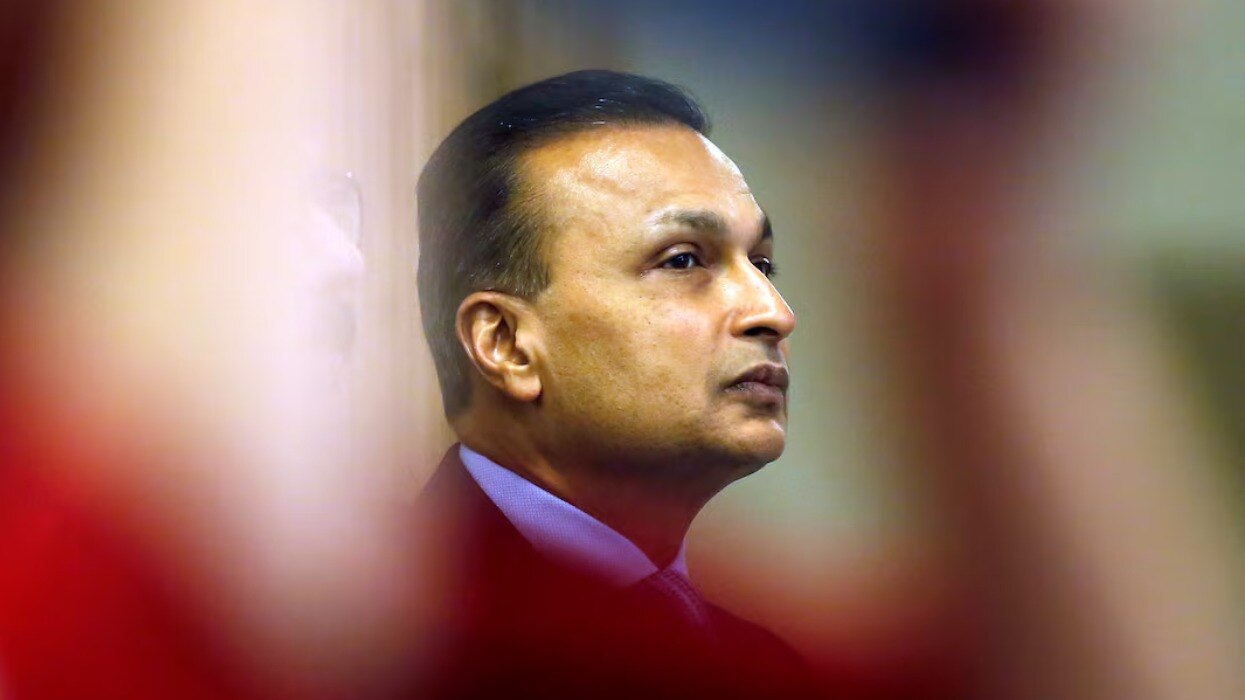
The Enforcement Directorate (ED) has moved to attach assets belonging to the Anil Ambani business conglomerate worth approximately Rs 3,716 crore. The action, taken under the Prevention of Money Laundering Act (PMLA), adds another chapter to a series of investigations that have kept the Indian corporate sector under close watch.
Background of the investigation
Anil Ambani’s enterprises, which include telecom, power, infrastructure and financial services, have faced scrutiny for several years. Earlier probes focused on the collapse of his telecom venture, Reliance Communications, and alleged defaults on loans extended by public sector banks. The ED’s current move follows a series of court orders that allowed the agency to freeze bank accounts, immovable property and other financial instruments linked to the group.
The agency’s mandate is to trace, seize and confiscate proceeds of crime that are suspected to be derived from money‑laundering activities. In this case, the ED alleges that the assets were acquired using funds that cannot be accounted for through legitimate business operations. While the exact nature of the alleged violations has not been disclosed in full, the agency has referenced inconsistencies in loan repayments, undisclosed offshore holdings and the use of shell companies to move money across borders.
Details of the attachment
The attachment covers a wide range of assets:
Bank accounts – Multiple accounts across major Indian banks have been frozen, restricting any withdrawal or transfer of funds. Real estate – Several high‑value properties, including commercial office spaces in Mumbai and residential plots in Delhi, are now under the ED’s control. Shares and securities – Shares held in publicly listed subsidiaries of the Ambani group have been earmarked for seizure, potentially affecting market liquidity. Movable assets – Luxury cars, yachts and other high‑value movable assets have also been listed in the attachment order.
The total valuation of Rs 3,716 crore reflects the combined market value of these items as assessed by independent valuers appointed by the court. The ED has indicated that the attachment is a precautionary step; the assets will remain under its custody until the final adjudication of the case.
Implications for the business group
The immediate impact on the Anil Ambani group is two‑fold. First, the freezing of bank accounts hampers day‑to‑day cash flow, making it harder for the companies to meet operational expenses, service existing debt and honor vendor payments. Second, the attachment of shares could trigger a sell‑off in the market, putting downward pressure on the share prices of listed subsidiaries.
Investors have already reacted with caution. Stock indices that track the group’s listed entities showed a modest dip in the hours following the announcement. Analysts warn that prolonged uncertainty could lead to a credit rating downgrade for the group’s debt instruments, raising borrowing costs and potentially limiting future capital‑raising efforts.
Under the PMLA, the ED is empowered to attach property if it believes the assets are involved in money‑laundering or are proceeds of crime. However, the agency must also adhere to procedural safeguards, including providing the affected parties an opportunity to contest the attachment in court.
Legal experts note that the burden of proof lies with the ED. The agency must demonstrate a clear link between the assets and illicit financial activity. In past high‑profile cases, courts have sometimes ordered the release of assets when the prosecution could not substantiate its claims.
The Anil Ambani group has already filed a petition seeking the release of the attached assets, arguing that the move is disproportionate and harms legitimate business interests. The petition emphasizes that many of the assets are essential for ongoing projects and that their seizure could lead to job losses and contract breaches.
Potential global impact
While the case is rooted in Indian law, its reverberations are felt beyond national borders. Several foreign investors hold stakes in the group’s overseas subsidiaries, and the attachment raises questions about the stability of those investments. Moreover, the case highlights the growing emphasis on anti‑money‑laundering (AML) compliance worldwide.
International financial institutions monitor AML enforcement trends closely, as they influence risk‑assessment models for cross‑border lending. A high‑profile attachment such as this may prompt banks and investors to tighten due‑diligence procedures when dealing with Indian conglomerates, especially those with complex corporate structures.
The situation also underscores the importance of transparent corporate governance. Companies seeking global partnerships are likely to face heightened scrutiny, prompting a shift toward more robust internal controls and clearer reporting mechanisms.
The next steps will unfold in the courts. The ED has set a timeline for the group to respond to the attachment order, after which a hearing will determine whether the assets remain under seizure or are released pending further investigation.
If the court upholds the attachment, the group may face a prolonged legal battle, potentially culminating in the forfeiture of the assets if the ED proves its case. Conversely, a reversal could restore the assets and allow the businesses to resume normal operations, though the reputational damage may linger.
Stakeholders—including creditors, shareholders, employees and suppliers—are watching the developments closely. The outcome will not only shape the future of the Anil Ambani business empire but also set a precedent for how Indian authorities handle large‑scale money‑laundering allegations against high‑profile corporate entities.
In the meantime, market participants are advised to monitor official filings and court orders for updates. The case serves as a reminder that regulatory scrutiny can swiftly affect even the most prominent business houses, reinforcing the need for rigorous compliance and transparent financial practices.