Dubai, Abu Dhabi News Live Updates: ICSE Class 10 and ISC Class 12, 2026 exams cancelled in UAE
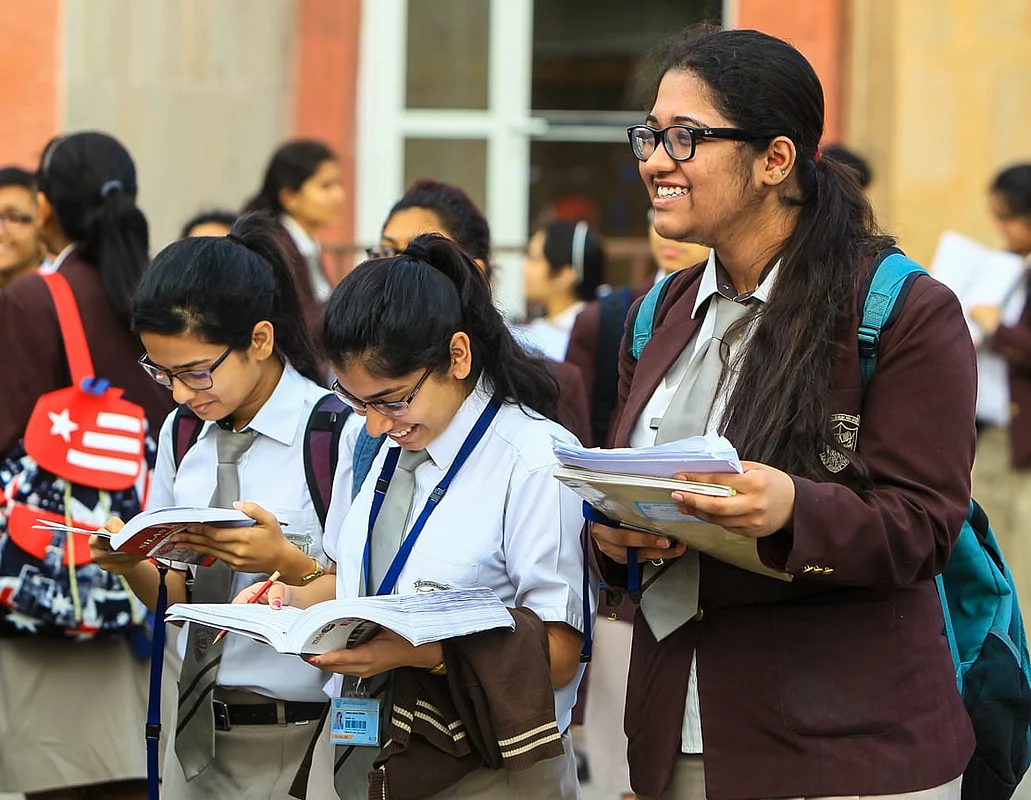
Thousands of Indian expatriate families in the United Arab Emirates woke up to an unexpected announcement: the 2026 ICSE Class 10 and ISC Class 12 examinations will not be held as scheduled. The decision, issued by the Council for the Indian School Certificate Examinations (CISCE) in coordination with local education authorities, has created a ripple of concern among students, parents, and schools across Dubai, Abu Dhabi and the wider Gulf region.
Why the exams were called off The cancellation stems from a combination of logistical hurdles and emerging health advisories. Recent travel restrictions imposed by neighboring countries disrupted the movement of exam invigilators and essential paperwork. At the same time, a sudden spike in respiratory illnesses prompted health officials to advise against large gatherings, especially in exam halls where students from multiple schools share the same space. CISCE officials said the safety of candidates was the primary driver behind the abrupt move.
A brief look at the ICSE and ISC system The Indian Certificate of Secondary Education (ICSE) for Class 10 and the Indian School Certificate (ISC) for Class 12 are nationally recognized qualifications administered by CISCE. They are widely respected for their rigorous curriculum and are a common pathway for Indian students seeking admission to Indian and overseas universities. In the UAE, more than 30 schools follow the ICSE/ISC syllabus, serving an estimated 40,000 students. The exams therefore represent a pivotal moment in the academic calendar for a sizable expatriate community.
Immediate impact on students For students preparing for the Class 10 and Class 12 assessments, the cancellation creates uncertainty around grading, promotion and university eligibility. Many senior students had already completed internal assessments and were counting on the external board results to finalize their academic records. Without a formal examination, schools will need to rely on internal marks, project work and continuous assessment scores to issue certificates. This shift may affect the comparability of results with peers who sat for the exams in other countries.
Reactions from parents and educators Parent groups have expressed a mix of relief and frustration. While some welcome the avoidance of potential health risks, others worry about the fairness of alternative assessment methods. "We have invested years of effort into preparing for these exams," said one parent from Dubai. "Now we must trust that internal evaluations will be accepted by universities abroad." Educators, meanwhile, are scrambling to develop a transparent grading framework. Several schools have announced plans to convene independent panels of senior teachers to review coursework, practicals and mock test performance. The goal is to produce results that reflect each student's true ability while adhering to CISCE's guidelines for emergency assessment.
Implications for university admissions International universities, particularly those in India, the United Kingdom and Canada, typically require official board certificates for admission. In response to the cancellation, many institutions have issued provisional admission policies. They will accept provisional marks sheets, school letters and, where possible, results from alternative assessment streams. Some Indian universities have pledged to treat the internal assessment scores as equivalent to board results for the 2026 intake, provided they are verified by the school and CISCE.
Potential long‑term changes in exam administration The abrupt halt to the 2026 examinations may accelerate discussions about digital or hybrid assessment models for the ICSE and ISC boards. CISCE has previously explored online proctoring but faced resistance due to concerns over equity and technical infrastructure. The current situation highlights the vulnerability of a fully paper‑based, centralized exam system, especially for students living abroad. Stakeholders are now urging the board to pilot secure online platforms that could offer continuity during future disruptions.
What schools are doing next In the weeks ahead, schools across the Emirates will publish revised academic calendars. Most are expected to schedule make‑up assessments or intensive revision programs to help students meet university deadlines. Additionally, counseling services are being expanded to assist students dealing with stress and uncertainty. School administrators are also coordinating with the Ministry of Education to ensure that any alternative certification meets local regulatory standards.
Broader regional context The UAE’s decision to cooperate with CISCE reflects a broader trend of educational authorities adapting quickly to unforeseen challenges. Similar cancellations have occurred in other Gulf states for different curricula, prompting a regional dialogue on how to safeguard the academic progress of expatriate communities. The outcome of this episode may influence policy decisions on cross‑border education, especially as the number of Indian families in the Gulf continues to grow.
Looking ahead While the immediate disruption is significant, the collaborative response from schools, parents, exam boards and universities suggests a resilient ecosystem. The experience is likely to inform future contingency planning, ensuring that students can continue their studies without major setbacks, even when external factors intervene. For now, the focus remains on delivering fair, transparent results and preparing students for the next step in their academic journeys.