Donald Trump to address Congress amid SCOTUS tariff ruling and Iran tensions
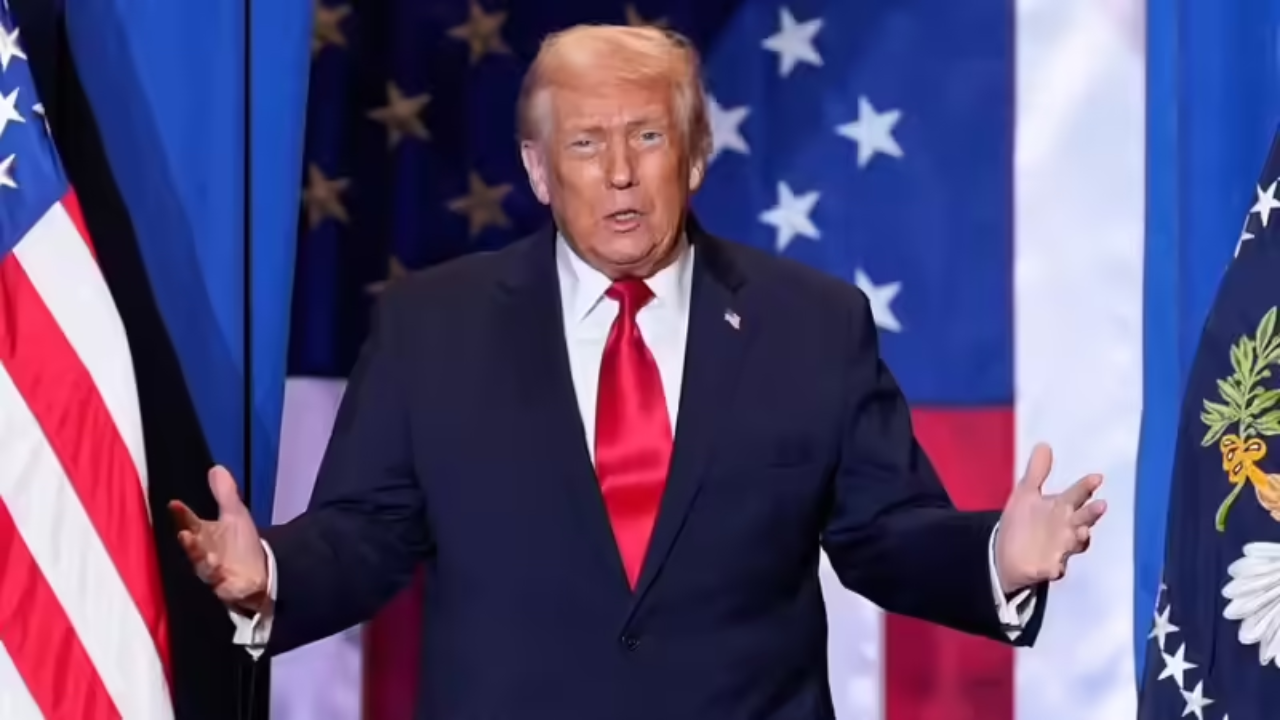
President Donald Trump is set to appear before a joint session of Congress, a move that comes as the Supreme Court issues a landmark tariff ruling and diplomatic friction with Iran escalates. The address is expected to outline the administration’s strategy on trade, national security, and economic growth, while also signaling how the White House plans to navigate two major challenges that could affect markets and alliances worldwide.
Why the address matters The invitation to speak to Congress is rare for a former president and signals that the current administration sees value in a unified message on pressing issues. By bringing Trump into the chamber, lawmakers hope to tap into his political base and use his platform to reinforce policy goals that have bipartisan implications, such as protecting American manufacturers and deterring foreign aggression. The speech also provides a public forum for the administration to explain complex legal and diplomatic developments in plain language.
Supreme Court tariff decision Earlier this week the Supreme Court delivered a decisive opinion on a long‑standing tariff dispute involving steel and aluminum imports. The Court upheld the administration’s authority to impose additional duties on countries deemed to threaten U.S. national security, while striking down a narrow carve‑out that had limited the scope of the tariffs. Legal analysts say the ruling strengthens the executive branch’s leverage in trade negotiations, but it also raises concerns among allies who fear a resurgence of protectionist policies. Companies that rely on imported raw materials are already adjusting supply chains, and investors are watching for any ripple effects on global commodity prices.
Iran‑U.S. tensions At the same time, diplomatic relations with Iran have grown increasingly strained. Recent reports indicate that Tehran has resumed certain naval activities in the Persian Gulf that the United States considers provocative. In response, the U.S. has increased its naval presence and hinted at additional sanctions targeting Iran’s energy sector. The tension follows a series of unresolved issues from the 2015 nuclear agreement, including disputes over missile testing and regional influence. Experts warn that missteps could quickly escalate into broader conflict, drawing in regional partners and disrupting oil shipments through the Strait of Hormuz.
What Trump is expected to say Sources close to the planning committee suggest that Trump will focus on three core themes: economic resilience, national security, and American leadership. On trade, he is likely to praise the Supreme Court’s decision as a victory for “Made‑in‑America” jobs and promise further steps to protect domestic manufacturers. Regarding Iran, he may emphasize a firm stance, calling for “stronger deterrence” while assuring allies that the United States remains committed to stability in the Middle East. The former president is also expected to appeal to voters by highlighting his administration’s record on tax cuts and deregulation, framing the current challenges as opportunities for renewed growth.
Potential global impact The combination of a reinforced tariff regime and heightened Iran tensions could reshape global supply chains and energy markets. Countries that export steel and aluminum to the United States may seek alternative buyers, while nations dependent on Iranian oil could face price volatility if the Strait of Hormuz experiences disruptions. International organizations are already monitoring the situation, warning that prolonged uncertainty could dampen investment and slow economic recovery in post‑pandemic economies. At the same time, allies in Europe and Asia are watching the U.S. response closely, as any shift in trade policy may affect existing agreements and future cooperation.
Domestic political ripple effects Within the United States, the speech is likely to become a focal point for the upcoming election cycle. Lawmakers from both parties will dissect Trump’s remarks for policy cues and political leverage. Supporters may use the address to rally around a narrative of strength and sovereignty, while opponents could criticize the administration for stoking international tensions. The media landscape is expected to amplify every nuance, turning the address into a barometer for public sentiment on trade and foreign policy.
Looking ahead The joint session will conclude with a response from the current president, setting the stage for a dialogue that could influence legislative priorities for months to come. Observers anticipate that the administration will outline concrete steps to implement the Supreme Court’s ruling, propose diplomatic avenues to de‑escalate with Iran, and outline a broader economic agenda. How these plans translate into action will depend on congressional support, market reactions, and the willingness of foreign partners to engage constructively. The world will be watching, as the outcomes may redefine the balance between protectionism and cooperation in an increasingly interconnected economy.