Congress leader K.C. Venugopal meets Stalin for talks on Tamil Nadu polls
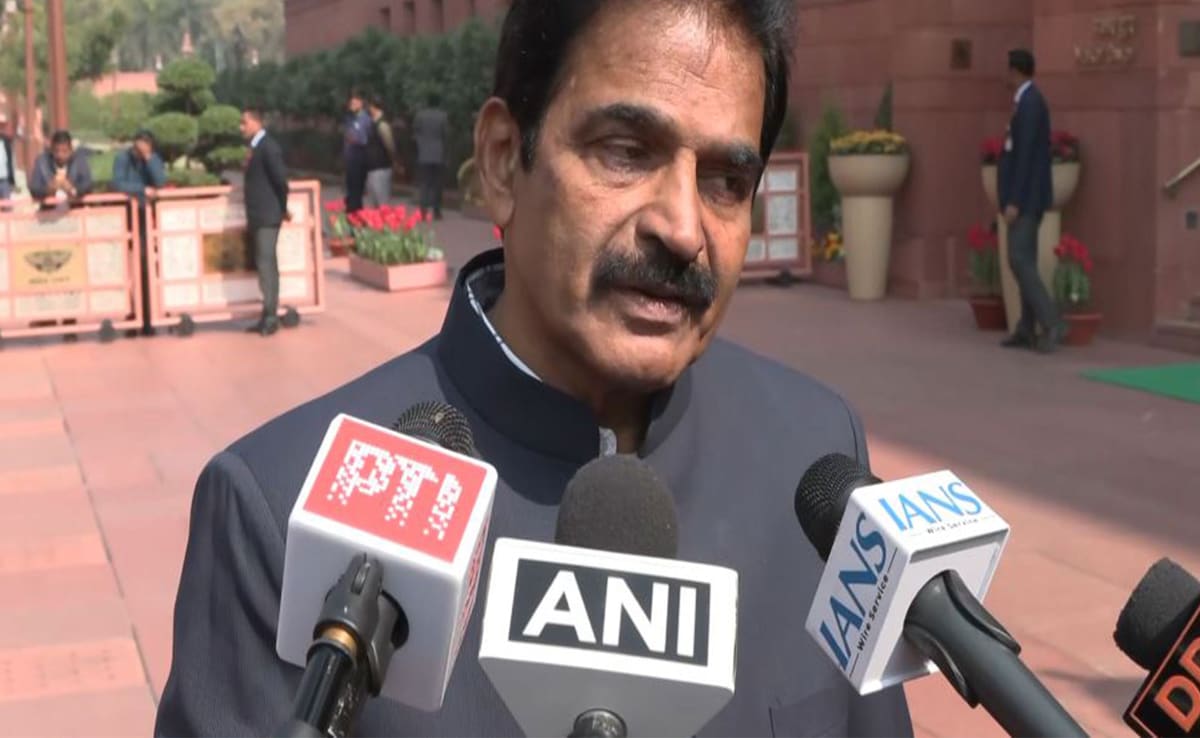
The Indian National Congress senior leader K.C. Venugopal travelled to Chennai this week for a closed‑door meeting with Tamil Nadu chief minister M.K. Stalin. The two senior politicians spent several hours discussing the upcoming state assembly polls, sharing insights on voter concerns and exploring the possibility of a coordinated campaign approach.
Background to the talks Tamil Nadu, India's most populous southern state, is gearing up for a high‑stakes election that will determine control of a legislature of 234 seats. The ruling Dravida Munnetra Kazhagam (DMK) party, led by Stalin, has been in power since 2021 and is seeking a second term. The Congress, once a dominant force in the state, has struggled to win significant seats in recent elections and is looking for ways to rebuild its base.
K.C. Venugopal, a veteran Congress parliamentarian and former minister, has been tasked by the party's national leadership to strengthen regional outreach. His visit marks the first direct engagement between a senior Congress figure and the DMK chief minister since the last assembly poll cycle. The meeting comes amid speculation about a broader anti‑BJP front forming in southern India.
What was discussed While the exact details remain confidential, sources close to the meeting say the conversation centered on three main themes:
1. Voter priorities – Both leaders reviewed recent surveys that highlight unemployment, water scarcity, and agricultural distress as top concerns for Tamil Nadu voters. They agreed that any successful campaign must address these issues with concrete policy proposals.
2. Seat‑sharing possibilities – The DMK and Congress have historically contested elections together under the United Progressive Alliance (UPA) banner. However, disagreements over which constituencies each party should field candidates have limited cooperation in recent years. Venugopal is said to have presented a revised seat‑allocation formula that aims to avoid overlap and maximize the anti‑incumbent vote.
3. Campaign coordination – Both sides discussed joint rallies, shared messaging, and the use of social media platforms to reach younger voters. The idea of a unified front against the Bharatiya Janata Party (BJP) and its regional allies was highlighted as a strategic necessity.
Why the meeting matters globally India's elections are closely watched by international investors, foreign governments and multinational corporations because the country's policy direction influences trade, climate commitments and technology partnerships. Tamil Nadu, in particular, is a hub for automobile manufacturing, information technology services and renewable‑energy projects. A stable political environment in the state can affect supply chains that extend far beyond India's borders.
If the Congress and DMK manage to forge a credible alliance, it could reshape the balance of power in the national parliament, where the BJP currently holds a strong majority. A stronger opposition bloc from the south would likely push for more robust scrutiny of central policies, including those related to foreign investment and climate action. Such a shift could also impact India's diplomatic posture, especially in negotiations with the United States, European Union and neighboring countries.
Reactions from political analysts Experts note that the meeting signals a pragmatic turn for the Congress, which has been criticized for lacking a clear regional strategy. "Venugopal's outreach shows the party is willing to put aside past grievances and focus on electoral realities," said a senior political commentator. "If the DMK can offer the Congress a realistic share of winnable seats, both parties stand to benefit.
Conversely, some analysts caution that alliance talks may be more symbolic than substantive. The DMK enjoys a strong grassroots network, while the Congress's organizational presence in Tamil Nadu has dwindled. "Without a clear, mutually beneficial seat‑sharing agreement, any joint effort could fracture the anti‑BJP vote," warned another observer.
Potential impact on the election outcome The upcoming assembly poll is expected to be fiercely contested, with the BJP and its regional ally, the All India Anna Dravida Munnetra Kazhagam (AIADMK), also fielding candidates. A united front between the DMK and Congress could consolidate the secular and development‑oriented vote, potentially limiting the BJP's ability to make inroads in the state.
If the two parties succeed in coordinating campaign resources, they may be able to present a cohesive narrative that contrasts the DMK‑Congress platform with the BJP‑AIADMK alliance. This could attract swing voters in urban constituencies such as Chennai, Coimbatore and Madurai, where issues like job creation and infrastructure development dominate public discourse.
Looking ahead The meeting does not guarantee an official alliance, but it does set the stage for further negotiations. Both leaders have indicated that they will continue discussions over the next few weeks, with a view to finalizing any partnership before the election campaign officially begins.
For voters, the prospect of a coordinated opposition could provide clearer choices and more focused policy debates. For the national political landscape, a successful DMK‑Congress collaboration could serve as a template for other regional parties seeking to challenge the BJP's dominance.
Conclusion The dialogue between K.C. Venugopal and M.K. Stalin reflects a strategic recalibration by the Congress as it seeks relevance in a state where it has long been a secondary player. Whether the talks translate into a tangible electoral alliance will depend on the ability of both sides to reconcile seat‑sharing demands, align campaign messaging and deliver on the voter concerns that dominate Tamil Nadu's political discourse. The outcome will not only shape the state's future governance but could also influence the broader dynamics of Indian politics on the world stage.