Congress and allies had upper hand during first phase of Budget Session: Rahul Gandhi to party leaders
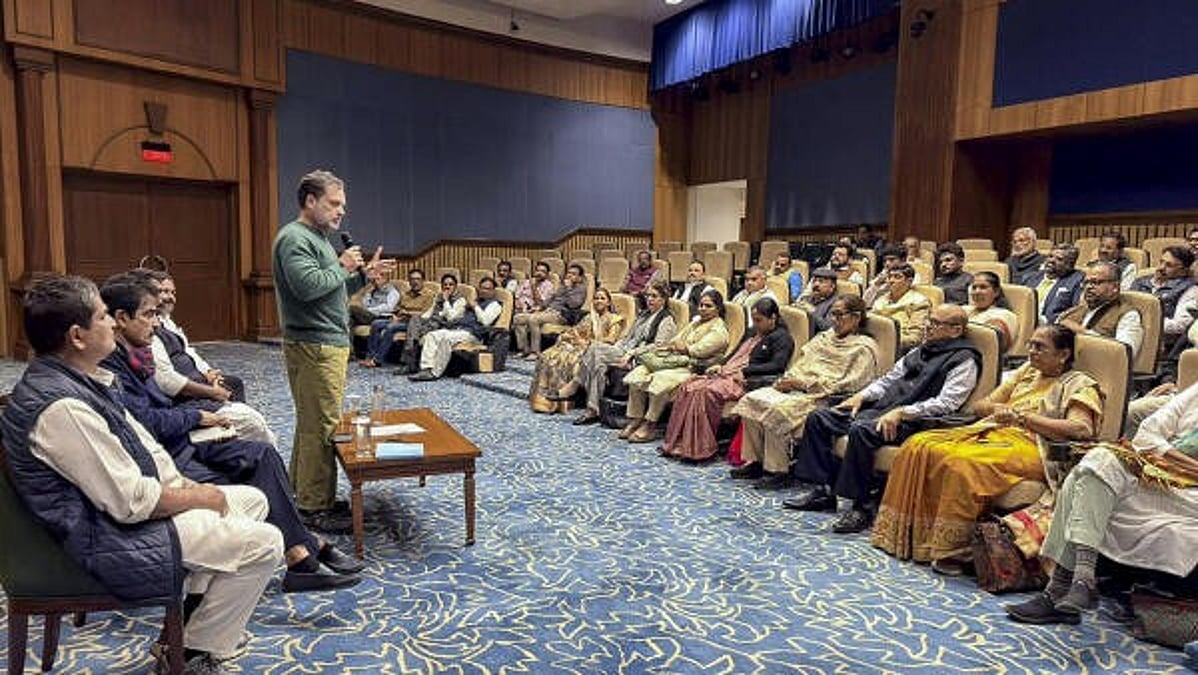
Congress and its allies appear to have secured a strategic advantage in the opening phase of the current budget session, according to remarks made by senior party figure Rahul Gandhi during a briefing with party leaders. The observation comes as the government begins to outline fiscal priorities for the coming year, and it signals a possible shift in the balance of power that could affect both domestic policy and foreign investment.
Why the First Phase Matters
The budget session is traditionally divided into two parts. The first phase focuses on the presentation of the Union Budget, where the finance ministry lays out revenue estimates, expenditure plans, and key policy initiatives. It also includes debates on the budget proposals, allowing opposition parties to raise concerns, suggest amendments, and highlight issues that matter to their constituencies. Securing an upper hand in this phase gives a party the ability to shape the narrative, influence public opinion, and put pressure on the ruling coalition to accommodate alternative viewpoints.
Rahul Gandhi’s Message to Party Leaders
During a closed‑door meeting, Rahul Gandhi emphasized that the Congress party, together with regional allies, has managed to consolidate its stance on several critical issues such as tax reforms, social welfare spending, and infrastructure investment. He noted that the opposition’s coordinated approach has forced the finance ministry to address questions that were previously considered peripheral. "We have the momentum," Gandhi said, "and we must use it to push for a budget that balances growth with equity."
Key Areas of Opposition Focus
1. Tax Policy – Opposition members have repeatedly called for a simplification of the tax code and a reduction in corporate tax rates to spur investment. Their arguments are backed by data suggesting that a lower tax burden could improve India's ranking in the World Bank’s Ease of Doing Business index. 2. Social Welfare – There is a strong push for increased allocation to health, education, and rural development. Leaders argue that a robust safety net is essential for sustaining consumer demand, especially in a post‑pandemic economy. 3. Infrastructure – The opposition is urging the government to accelerate projects in transport, energy, and digital connectivity. They contend that faster execution will attract foreign direct investment (FDI) and create jobs.
Implications for the Economy
If the opposition’s influence translates into concrete budget amendments, several economic outcomes are possible:
Investor Confidence – Clear signals that the government is open to dialogue on tax and regulatory reforms could reassure both domestic and international investors. A more predictable fiscal environment often leads to higher capital inflows. Consumer Spending – Enhanced social welfare spending can boost disposable income for low‑ and middle‑income households, potentially lifting retail sales and services demand. Growth Outlook – Accelerated infrastructure spending is likely to improve productivity over the medium term, supporting the country’s goal of achieving a sustainable 7% growth rate.
India’s budget is watched closely by global markets because the country is the world’s fifth‑largest economy and a major destination for foreign capital. Analysts in New York, London, and Singapore monitor the budget for clues about trade policy, currency stability, and the health of the banking sector. A budget that reflects a broader consensus among political parties can be interpreted as a sign of political stability, which in turn reduces risk premiums on Indian assets.
Potential Challenges Ahead
While the opposition’s early leverage is notable, several hurdles remain:
Coalition Dynamics – The ruling coalition must balance the demands of its own regional partners, who may have divergent priorities, especially regarding state‑level fiscal autonomy. Fiscal Deficit Targets – The government has pledged to keep the fiscal deficit within a certain range. Any increase in spending must be matched by revenue measures, a balance that can be difficult to achieve amid competing political pressures. Legislative Timing – The budget session is time‑bound. Even if consensus is reached on paper, the legislative process for amending the budget can be lengthy, and delays could dilute the impact of proposed changes.
The second phase of the budget session will focus on the passage of the Finance Bill and related legislation. This stage will test whether the opposition’s early momentum can be turned into actionable policy changes. Observers expect intense negotiations in parliamentary committees, where detailed clauses are examined and amendments are tabled.
If Congress and its allies succeed in influencing key sections of the budget, the outcome could set a precedent for future parliamentary oversight of fiscal policy. It may also encourage a more collaborative approach to governance, where the ruling party actively incorporates opposition suggestions rather than treating the budget as a unilateral proclamation.
Rahul Gandhi’s statement underscores a shifting political landscape in which the opposition is not merely a vocal critic but a potential partner in shaping fiscal direction. The first phase of the budget session has highlighted the importance of dialogue and the power of coordinated opposition. As the session moves forward, the real test will be whether this early advantage translates into tangible policy adjustments that benefit the broader economy and reinforce India’s standing in the global market.
Stakeholders—from small business owners to multinational corporations—will be watching closely. Their decisions on investment, hiring, and expansion may hinge on how effectively the budget balances growth imperatives with social priorities. In the coming weeks, the interplay between political strategy and economic policy will become clearer, offering insight into the future trajectory of India’s fiscal health.