Clashes Outside Muhammad Yunus' House In Dhaka Ahead Of Bangladesh Polls
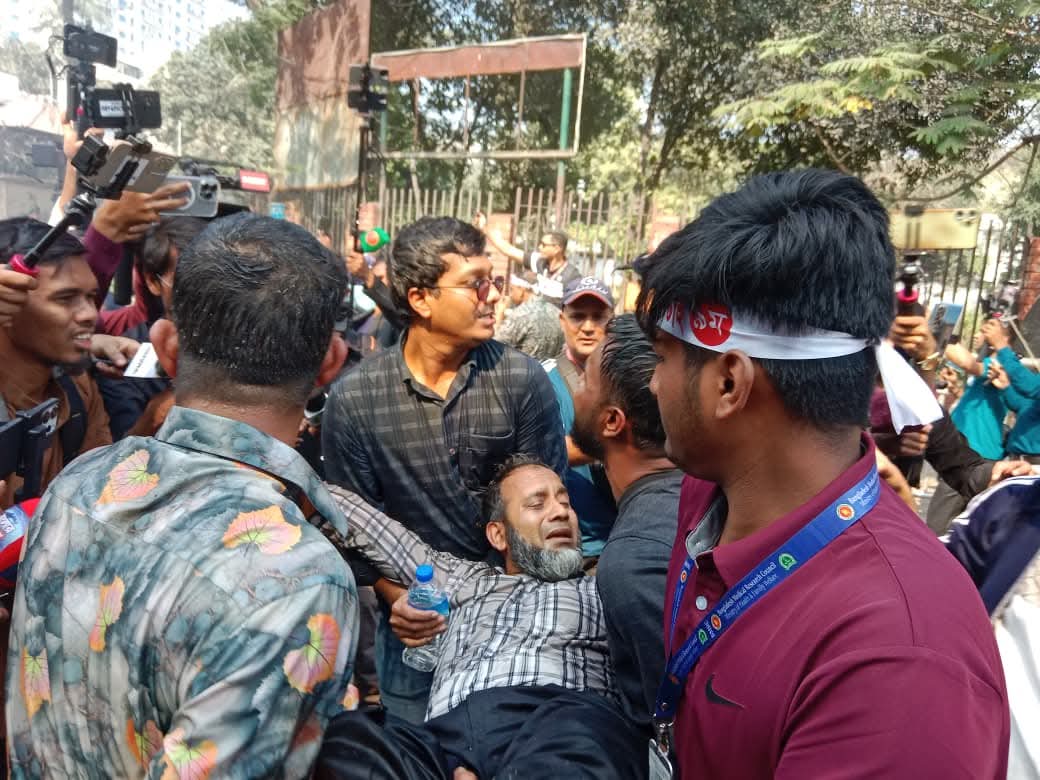
Tension builds as protesters gather outside a Nobel laureate’s home A crowd of demonstrators and counter‑demonstrators met in front of Muhammad Yunus’ residence in Dhaka this week. The confrontation turned violent, with police using batons and tear‑gas to disperse the groups. The clash happened just days before Bangladesh’s national parliamentary elections, adding a new flashpoint to an already heated political atmosphere.
Who is Muhammad Yunus and why his house matters Muhammad Yunus is the founder of Grameen Bank and a Nobel Peace Prize winner for pioneering micro‑finance. He is widely respected for his work in poverty reduction, but his relationship with the ruling party, the Awami League, has been strained for years. In 2011, the government closed Grameen Bank, accusing it of illegal activities, a move that many observers called politically motivated. Since then, Yunus has become a symbolic figure for opposition groups that accuse the government of suppressing dissent.
The election backdrop Bangladesh is preparing for a national election that will decide whether Prime Minister Sheikh Hasina’s Awami League will retain power for a third consecutive term. The opposition, led by the Bangladesh Nationalist Party (BNP) and its allies, has warned of vote‑rigging, intimidation, and a lack of a level playing field. International monitors have called for a free and fair process, while the government insists the election will be transparent. The charged environment has seen a series of rallies, street protests, and occasional arrests across the capital.
What unfolded outside the house On the afternoon of the incident, two groups gathered near the gated entrance of Yunus’ home. One side consisted of supporters of the opposition, holding banners that criticized the government’s handling of the economy and human rights. The other side was made up of pro‑government activists who accused Yunus of aligning with foreign interests. As the two sides shouted slogans, a scuffle broke out. Police arrived within minutes, forming a cordon and attempting to separate the groups. When the crowd refused to disperse, officers fired tear‑gas canisters and used batons to push back the demonstrators.
Injuries, arrests and property damage Local hospitals reported treating at least twelve people with minor injuries, mostly bruises and cuts from the police’s crowd‑control measures. Several activists were taken into custody; police said they arrested eight individuals for “disturbing public order” and “vandalism.” The front gate of the house suffered damage, and a few protest signs were torn down. No serious damage to the house itself was reported.
Political reactions Both major parties quickly issued statements. The opposition condemned the police response, calling it “excessive force” and accusing the government of trying to silence dissent ahead of the vote. A senior BNP leader said the incident showed how the ruling party uses state resources to intimidate critics. The Awami League, for its part, defended the police actions as “necessary to maintain law and order.” A government spokesperson claimed that the gathering was illegal because it violated a recent curfew imposed in several parts of Dhaka.
Yunus and his family’s response Yunus himself did not appear at the scene, but a spokesperson released a brief statement expressing concern over the violence. The statement emphasized that the house is a private residence and should not be used as a political battleground. It also called for “peaceful dialogue” and urged the authorities to protect the rights of all citizens, regardless of political affiliation.
International eyes on Bangladesh The incident attracted attention from foreign diplomats and international NGOs monitoring the election. A representative of the European Union said that any form of intimidation or violence could undermine confidence in the electoral process. The United Nations Development Programme, which has worked closely with Grameen Bank in the past, urged both sides to keep political disputes away from private homes and to respect the rule of law.
Why the clash matters beyond Bangladesh The violence highlights a broader challenge for emerging democracies: balancing security concerns with the right to protest. When a globally recognized figure like Yunus becomes a flashpoint, the episode can shape how the international community views the country’s commitment to democratic norms. Investors and development partners watch closely, as political instability can affect economic projects, trade agreements, and aid flows.
Possible impact on the upcoming election Security forces are likely to increase their presence around high‑profile locations as the election draws nearer. The government may impose tighter curfews or restrict public gatherings, citing public safety. Opposition parties could use the incident to rally support, portraying the state as heavy‑handed. Conversely, the ruling party may argue that firm action is needed to prevent chaos. How both sides manage the narrative could influence voter sentiment, especially among younger, urban voters who are sensitive to issues of civil liberty.
What comes next? The police have promised an investigation into the clash, but critics doubt the transparency of any internal review. Human rights groups have called for an independent inquiry and for the release of those detained without charge. As the election approaches, the likelihood of further confrontations remains high, especially if the government continues to enforce curfews and if opposition leaders organize more rallies. Observers suggest that a calm, well‑managed election will require both sides to avoid actions that could inflame tensions.
The episode outside Muhammad Yunus’ house serves as a reminder that political competition in Bangladesh is entering a volatile phase. How the authorities, opposition, and civil society navigate this moment will shape not only the immediate election outcome but also the country’s longer‑term democratic trajectory.