Centre Revokes Detention Of Sonam Wangchuk Under National Security Act
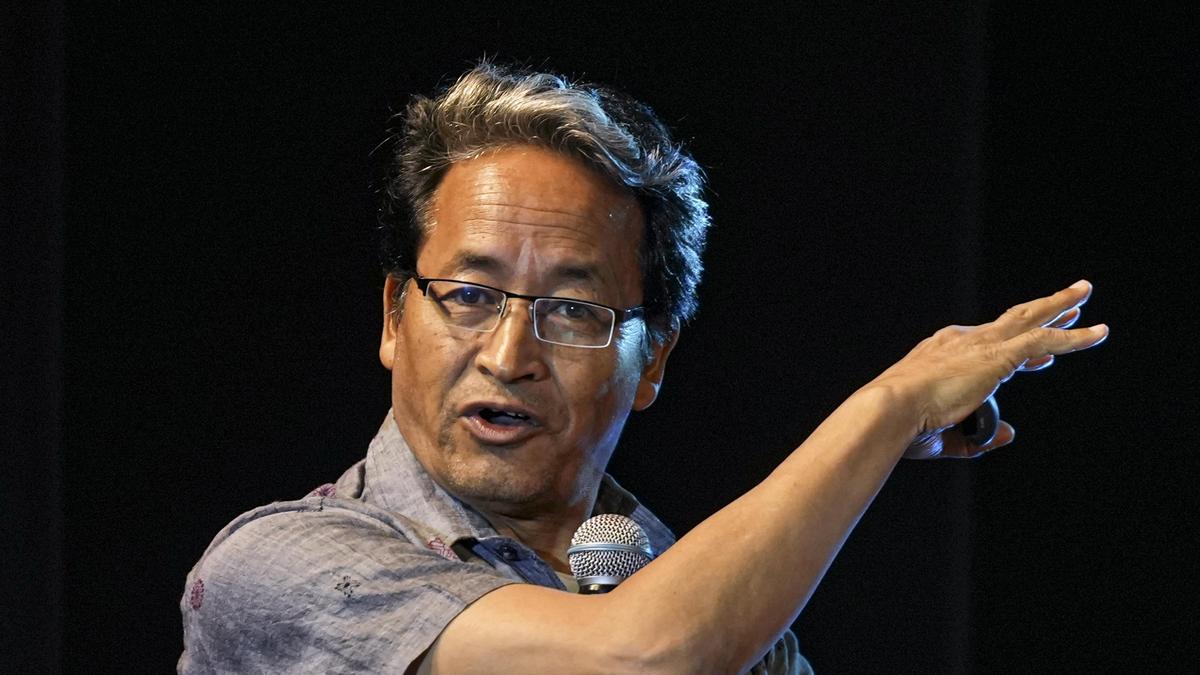
The central government has ordered the release of activist Sonam Wangchuk, ending his detention under the National Security Act (NSA). The decision was announced this week and has immediately drawn attention from legal experts, human‑rights groups and observers of South Asian politics.
Background of the Case
Sonam Wangchuk, a well‑known environmental and cultural activist from the Himalayan region, first came to national prominence for his campaigns against large‑scale hydro‑electric projects that threaten local ecosystems and indigenous communities. Over the past decade he has organized peaceful protests, filed petitions in the courts and spoken at international forums. In early 2023, authorities arrested him under the NSA, a law that allows for extended detention without formal charge when the state claims a threat to national security.
The NSA, originally enacted in the 1980s, has been used in a variety of cases ranging from terrorism to separatist movements. Critics argue that its broad language makes it a tool for silencing dissent. Wangchuk’s supporters maintain that his activism is non‑violent and that the charges lack concrete evidence. While in custody, he was denied bail multiple times, and his family reported limited access to legal counsel.
Legal Decision and Government Statement
The Ministry of Home Affairs issued a brief notice stating that the revocation of Wangchuk’s detention was based on a “re‑assessment of the security threat” posed by the individual. The notice did not provide detailed reasons, but it indicated that the reviewing panel found insufficient grounds to continue holding him under the NSA. The court that had previously approved his detention was instructed to file the necessary orders for his release.
Legal analysts say the move reflects a growing trend of the government responding to public and judicial pressure. “The decision appears to be a calculated response to mounting criticism, both domestically and abroad, about the use of the NSA,” says Priya Mehta, a constitutional law professor. “It does not necessarily signal a shift in policy, but it does show that the executive is sensitive to high‑profile cases that attract media scrutiny.”
Reactions from Rights Groups
Human‑rights organizations quickly issued statements welcoming the release. Amnesty International called the decision “a positive step, but one that should be followed by a broader review of the National Security Act’s application.” The National Human Rights Commission (NHRC) urged the government to consider amending the law to include clearer safeguards for due process.
Wangchuk’s legal team expressed relief but also warned that the episode underscores the need for reform. “Our client’s ordeal highlights how easily the NSA can be misused,” said advocate Ramesh Singh. “We hope the authorities will take this opportunity to strengthen judicial oversight and ensure that future detentions are truly based on credible security concerns.”
International Perspective
The case has drawn interest from foreign governments and international bodies that monitor civil liberties. A spokesperson for the United Nations Office of the High Commissioner for Human Rights noted that the release aligns with global calls for transparency in the use of anti‑terrorism legislation. “States must balance security needs with respect for fundamental rights,” the spokesperson said.
Some neighboring countries, where similar security laws exist, are watching the development closely. Analysts suggest that India’s handling of high‑profile NSA cases could influence how other democracies address the tension between security and dissent.
While Wangchuk’s freedom is now restored, the broader debate over the NSA continues. Lawmakers have previously proposed amendments to introduce stricter judicial review and to limit the period of pre‑charge detention. However, such proposals have faced resistance from officials who argue that the law is essential for counter‑terrorism operations.
The episode may also affect activist strategies. Some groups are re‑evaluating how they organize protests and engage with the legal system, seeking to minimize the risk of being labeled a security threat. Others view the release as a sign that public pressure can yield results, encouraging them to document and publicize any alleged misuse of the NSA.
In the courts, several pending cases involving the NSA are expected to be revisited in light of the recent decision. Legal scholars anticipate that higher courts may issue clearer guidelines on what constitutes a “security threat,” potentially narrowing the scope of the law.
The revocation of Sonam Wangchuk’s detention under the National Security Act marks a noteworthy moment in India’s ongoing conversation about security legislation and civil liberties. It demonstrates how legal mechanisms, public advocacy and international attention can intersect to influence governmental action. Whether this case will lead to substantive reform of the NSA remains uncertain, but it has certainly placed the law under a brighter spotlight than before. As the nation watches the aftermath, the balance between protecting national security and safeguarding democratic freedoms will continue to be a central theme in public discourse.