Brigadier Ahmad Vahidi Appointed As IRGCs New Commander
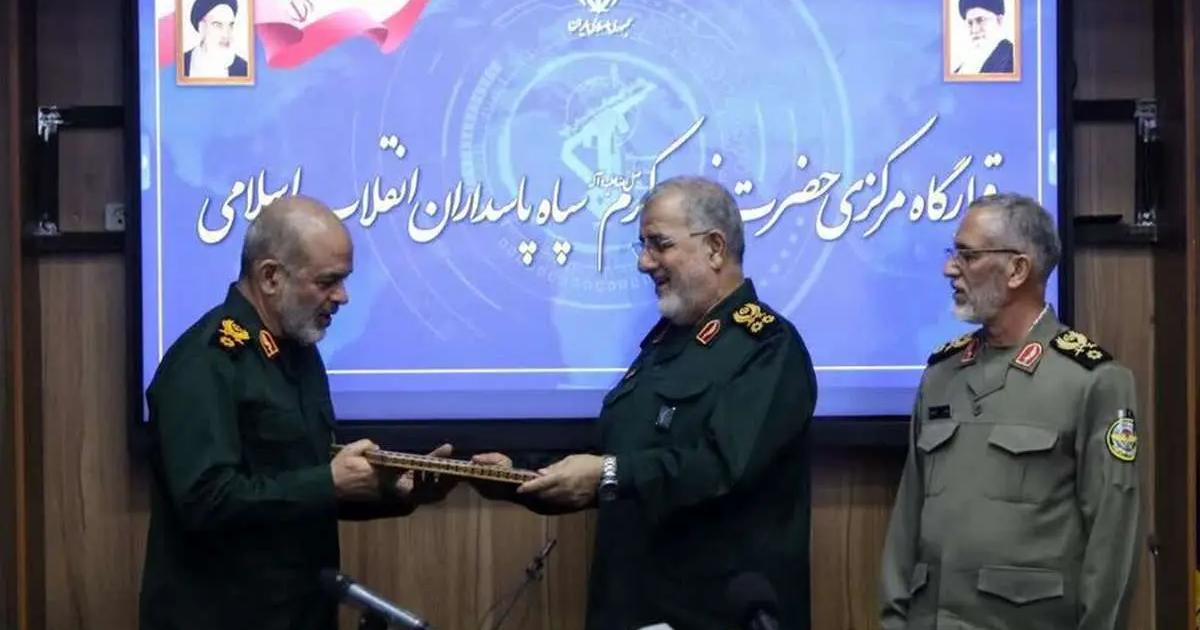
Iran’s top military body has installed Brigadier Ahmad Vahidi as its new commander, a move that could reshape Tehran’s strategic calculations across the Middle East.
Background The Islamic Revolutionary Guard Corps (IRGC) operates alongside Iran’s regular army but maintains a distinct political and economic footprint. Founded after the 1979 revolution, the IRGC controls a wide array of assets, from missile development programs to overseas proxy networks. Its leadership is therefore a focal point for both domestic power dynamics and international security assessments.
Vahidi’s career has been rooted in the IRGC’s engineering and logistics branches. He previously oversaw the Corps’ missile production facilities and played a key role in the development of the Shahab series of rockets. His technical expertise earned him a reputation as a pragmatic problem‑solver, often tasked with bridging gaps between Iran’s military ambitions and its limited resources.
The Appointment The decision to promote Vahidi came after the unexpected resignation of the former commander, who had served a brief but turbulent term marked by heightened tensions with the United States and Israel. Official statements highlighted Vahidi’s “dedication to the revolutionary ideals” and “proven ability to strengthen the Corps’ operational readiness.”
Analysts note that Vahidi’s elevation reflects a broader shift within Iran’s power structure. By selecting a figure known for technical competence rather than overt political activism, Tehran may be signaling a desire to focus on capability building and strategic stability, at least in the near term.
Regional Implications The IRGC’s influence extends well beyond Iran’s borders. Its network of allied militias in Iraq, Syria, Lebanon, and Yemen has been a cornerstone of Tehran’s regional policy. Vahidi’s background in missile technology suggests a possible emphasis on advancing Iran’s deterrence posture, particularly in the face of ongoing sanctions and diplomatic pressure.
In Iraq, the IRGC‑linked Popular Mobilization Forces (PMF) have been navigating a delicate balance between supporting Iranian interests and responding to domestic calls for greater autonomy. A commander with a technical focus may encourage the PMF to prioritize defensive capabilities over offensive operations, potentially lowering the risk of direct clashes with neighboring states.
Syria’s reconstruction effort, heavily funded by Iranian resources, could also feel the impact. Vahidi’s experience in logistics may streamline supply chains for reconstruction projects, reinforcing Tehran’s foothold in Damascus while reducing the financial strain on Iran’s war‑torn economy.
International Reactions Western governments have responded cautiously. The United States issued a statement urging Iran to avoid actions that could further destabilize the region, while also noting that the appointment does not change the underlying concerns about the IRGC’s involvement in illicit activities. European diplomats echoed similar sentiments, calling for continued dialogue on nuclear and missile issues.
Israel’s defense establishment, meanwhile, expressed heightened vigilance. In a brief press briefing, a senior official warned that any acceleration of Iran’s missile program, regardless of who leads the IRGC, would prompt a reassessment of Israel’s security posture.
Russia, a long‑standing partner of Iran in military and energy projects, welcomed the appointment as a sign of continuity. A Kremlin spokesperson highlighted the importance of “stable leadership within the IRGC for the maintenance of regional equilibrium.”
Possible Future Directions While Vahidi’s technical credentials are clear, his political leanings remain less transparent. Should he adopt a more pragmatic approach, Iran might see a modest de‑escalation in proxy conflicts, focusing instead on strengthening its own defensive infrastructure. This could open limited diplomatic space for negotiations on the nuclear dossier, especially if Tehran perceives that a stronger missile deterrent reduces the need for brinkmanship.
Conversely, a renewed emphasis on missile development could provoke a regional arms race. Neighboring Gulf states, already investing in advanced air‑defense systems, may accelerate procurement plans, further entrenching security dilemmas.
Domestically, the appointment may bolster the IRGC’s standing among hard‑line constituencies that view technical progress as a symbol of national resilience. At the same time, reform‑oriented factions within Iran’s political elite may push for greater transparency and civilian oversight, using the leadership change as a catalyst for broader debates about the IRGC’s role in society.
Conclusion The selection of Brigadier Ahmad Vahidi as the IRGC’s commander marks a notable shift in Iran’s military leadership. His expertise in missile technology and logistics could steer the Corps toward a more capability‑focused agenda, influencing proxy dynamics, regional security calculations, and diplomatic engagements. How Vahidi balances technical priorities with the political expectations of Tehran’s ruling establishment will shape the Middle East’s strategic landscape in the months and years ahead.