Blast at US embassy in Oslo: Explosion causes minor damage; probe under way
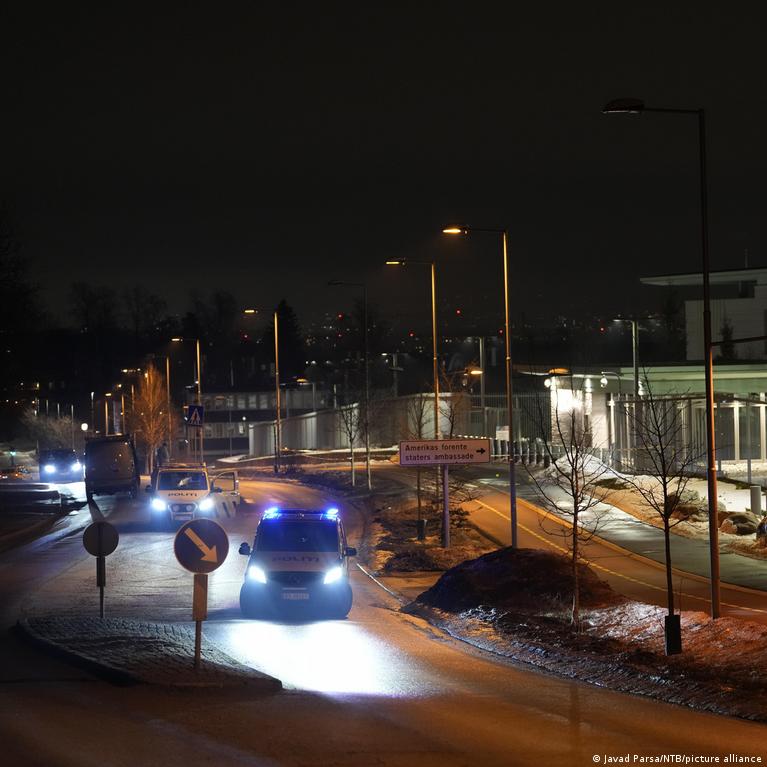
A sudden explosion shook the area around the United States diplomatic mission in Oslo, leaving the building with superficial damage and sparking a police investigation. While no one was seriously injured, the incident has raised questions about security at foreign missions in Europe and the motives behind the blast.
What happened Witnesses reported hearing a loud pop followed by a brief flash near the embassy’s perimeter. A small device, later identified by authorities as an improvised explosive, detonated on the sidewalk adjacent to the compound. The blast cracked the outer wall and shattered a few windows, but the structure remained intact. Emergency services arrived within minutes, securing the site and checking the surrounding streets for additional threats.
Immediate response Local police cordoned off the area and began a thorough sweep for unexploded material. Embassy staff were evacuated as a precaution, and a temporary security detail was set up while investigators collected evidence. The Norwegian police chief confirmed that the blast was isolated, with no secondary devices found. Medical teams treated a handful of individuals for minor injuries, mainly cuts and bruises caused by glass shards.
Security context The United States maintains a network of diplomatic facilities across Europe, each protected by a combination of host‑nation security forces and U.S. personnel. In recent years, several European capitals have seen heightened alerts after a series of low‑level attacks targeting symbols of Western influence. Oslo, known for its relatively calm security environment, has nonetheless increased patrols around high‑profile sites following the incident.
International reactions Foreign ministries from several allied nations issued brief statements expressing concern and solidarity. While no official accusation has been made, analysts note that the timing coincides with ongoing diplomatic tensions in other regions, suggesting the possibility of a politically motivated act. The incident has also prompted a review of security protocols at other U.S. embassies in Scandinavia.
Investigation and next steps Norwegian investigators, working alongside U.S. diplomatic security officials, are reviewing CCTV footage, forensic evidence, and witness testimonies. Early reports indicate that the explosive device was relatively small, constructed from readily available materials. Police have not yet released information about a suspect or group, but they have appealed to the public for any tips that could aid the probe.
Potential implications Even minor attacks on diplomatic premises can have ripple effects. A successful breach, however small, may embolden hostile actors and force a reassessment of protective measures. The incident could lead to tighter security zones, increased surveillance, and a review of public access routes near diplomatic compounds. For the host nation, the event underscores the need to balance open society values with the protection of foreign missions.
Community impact Local residents expressed a mixture of shock and curiosity. Some described the explosion as a "wake‑up call" for the city’s safety standards, while others emphasized the importance of not allowing fear to disrupt daily life. Small businesses nearby reported a temporary dip in foot traffic, but most expect a quick return to normal once the area is cleared.
Historical perspective Oslo has experienced isolated security incidents in the past, but attacks directly targeting foreign diplomatic sites are rare. The city’s reputation for safety has made it a popular venue for international conferences and cultural events. This episode, though limited in scope, serves as a reminder that even well‑guarded locations remain vulnerable to low‑tech threats.
Looking ahead Authorities plan to increase joint patrols between Norwegian police and U.S. security personnel in the coming weeks. Training exercises focused on rapid response to explosive threats are also scheduled. While the investigation remains open, officials stress that the situation is under control and that diplomatic activities will continue without interruption.
The Oslo blast, though minor in physical impact, has drawn attention to the broader challenges of protecting diplomatic missions in an era of evolving threats. As investigators piece together the origins of the device, the incident will likely influence security policies not only in Norway but across other European capitals hosting foreign embassies.