Bigg Boss 17’s Anurag Dhobal accuses parents of torture and harassment over inter
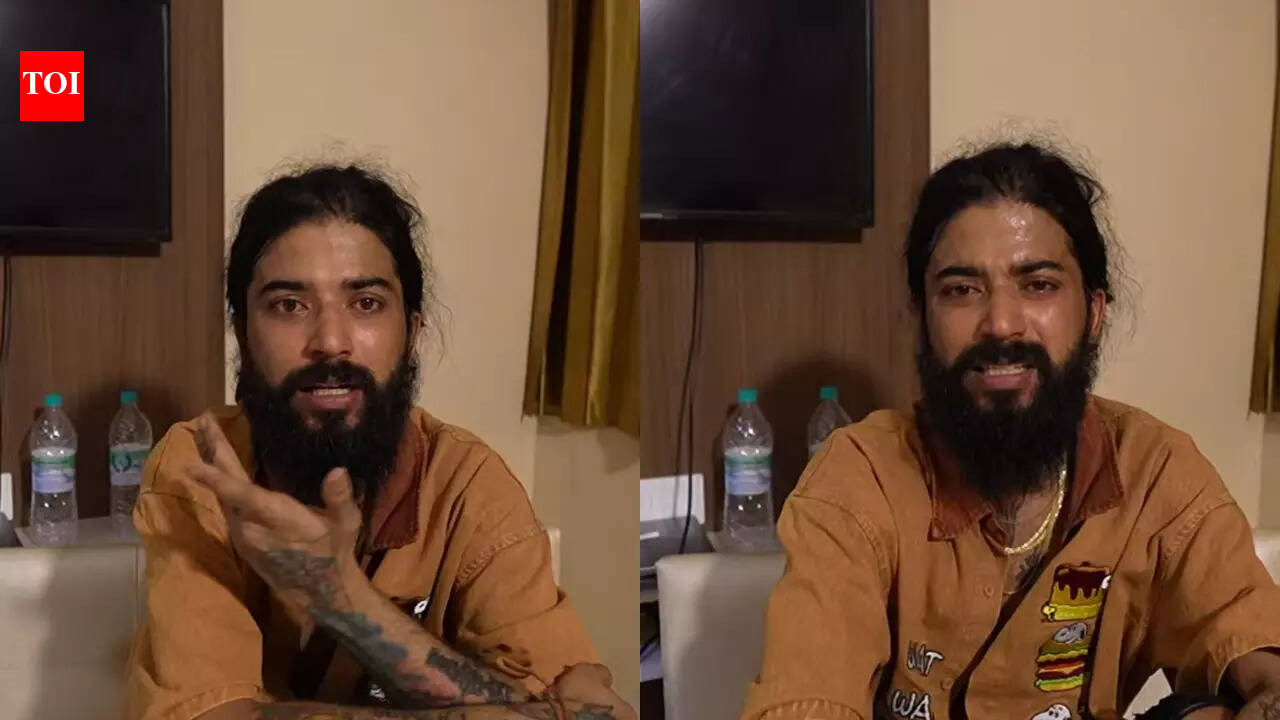
Anurag Dhobal, a contestant on the latest season of the Indian reality show Bigg Boss, has publicly accused his parents of subjecting him to torture and harassment because of his decision to marry someone from a different caste. The claim, made during a heated discussion on the program, has drawn immediate attention from viewers, social activists and legal experts, highlighting the persistent clash between traditional family expectations and individual rights in India.
Background of the controversy
Dhobal, a 28‑year‑old model and actor, entered the Bigg Boss house in June and quickly became known for his outspoken nature. In the third week of the show, a conversation about personal relationships turned personal when he revealed that his parents had allegedly locked him in a room, denied him food and threatened legal action after learning about his marriage to a woman from a Scheduled Caste. He described the experience as "psychological torture" and said the pressure had taken a toll on his mental health.
The reality‑TV format, which places contestants under constant surveillance, gave his statements a wide audience. Within hours, social media platforms were flooded with reactions ranging from support for Dhoyal’s right to choose a partner to condemnation of his alleged disrespect toward his parents.
Why the issue matters beyond the show
India’s caste system, though constitutionally outlawed, still influences many aspects of daily life, especially marriage. Inter‑caste unions often face resistance from families who fear social ostracism, loss of status or economic repercussions. Cases of violence, forced separation and even honor‑based killings have been documented across the country.
Dhobal’s accusations bring the private pain of such families into the public eye, reminding policymakers and the judiciary that legal reforms alone are insufficient. While the Indian Penal Code includes provisions against cruelty and forced marriage, enforcement is uneven, and cultural attitudes can hinder victims from seeking help.
Internationally, the story adds to a growing list of high‑profile cases where celebrities use their platforms to expose entrenched social practices. Similar narratives have emerged from Brazil, South Africa and the United States, where public figures have spoken out against familial pressure related to race, religion or sexual orientation. These moments often act as catalysts for broader conversations about human rights and the role of media in shaping public opinion.
Legal perspective and possible outcomes
Legal scholars note that Dhobal’s statements could trigger multiple avenues of recourse. If the allegations are substantiated, they may fall under sections of the Indian law that address domestic violence and child or adult abuse. The Protection of Women from Domestic Violence Act, 2005, for instance, can be invoked when a spouse or partner faces harassment from family members.
However, proving torture or harassment in a court of law requires concrete evidence—medical reports, witness testimonies or recorded communications. The reality‑TV setting complicates matters; producers typically obtain consent from participants to broadcast personal disclosures, but they are not legally responsible for the content of those disclosures.
Should the case proceed, it could set a precedent for how media‑derived testimonies are treated in Indian courts. A ruling in Dhobal’s favor might encourage other victims of familial coercion to come forward, while a dismissal could reinforce the perception that personal grievances aired on television remain outside the judicial scope.
Social response and activist involvement
Human‑rights NGOs quickly issued statements condemning any form of familial abuse, emphasizing that the right to choose a life partner is protected under Article 21 of the Indian Constitution, which guarantees personal liberty. Organizations such as the National Campaign on Dalit Human Rights and the Centre for Social Justice have pledged to monitor the situation and offer legal assistance if needed.
Online petitions demanding an investigation have amassed tens of thousands of signatures. Meanwhile, several prominent Indian actors and social media influencers have posted supportive messages, urging society to move beyond caste‑based prejudice.
Critics, however, argue that the reality‑TV platform may sensationalize a private family dispute for ratings. They caution against turning a personal grievance into a public spectacle without due process, warning that such exposure can further endanger the individuals involved.
Potential impact on the entertainment industry
The incident arrives at a time when Indian television is under scrutiny for its handling of social issues. Reality shows, in particular, have been accused of exploiting participants’ vulnerabilities for viewership. Dhobal’s case could prompt producers to reassess the ethical guidelines governing contestant interviews, especially when topics touch on sensitive cultural matters.
Industry bodies may introduce stricter consent protocols, ensuring that participants are fully aware of the possible repercussions of sharing personal stories. Additionally, broadcasters could face pressure from regulators to provide counseling services for contestants who disclose traumatic experiences on air.
Regardless of the legal outcome, Dhobal’s allegations have already sparked a conversation that extends far beyond the walls of the Bigg Boss house. The episode underscores how entertainment platforms can amplify social debates, sometimes accelerating change.
If the family dispute leads to a formal investigation, it may encourage lawmakers to strengthen protections for individuals confronting caste‑based pressure. Conversely, a lack of legal follow‑through could reinforce the notion that cultural norms continue to dominate private lives, despite constitutional guarantees.
For viewers, the story serves as a reminder that personal freedoms often intersect with deep‑rooted traditions, and that media exposure can both empower victims and complicate their quest for justice. As the season progresses, audiences will watch not only the game dynamics but also how the broader society responds to a young man’s plea for autonomy and respect.
Anurag Dhobal’s public accusation of parental torture and harassment over his inter‑caste marriage has turned a reality‑TV moment into a national discussion about caste, family authority and individual rights. The case highlights gaps between legal frameworks and lived realities, while also illustrating the power of media to bring hidden struggles into the spotlight. Whether the controversy leads to concrete legal action or remains a talking point on social platforms, it adds a crucial chapter to the ongoing effort to dismantle caste‑based discrimination in India and beyond.