Big screen foldables tipped to dominate the market in 2026, could outsell flip phones: Report
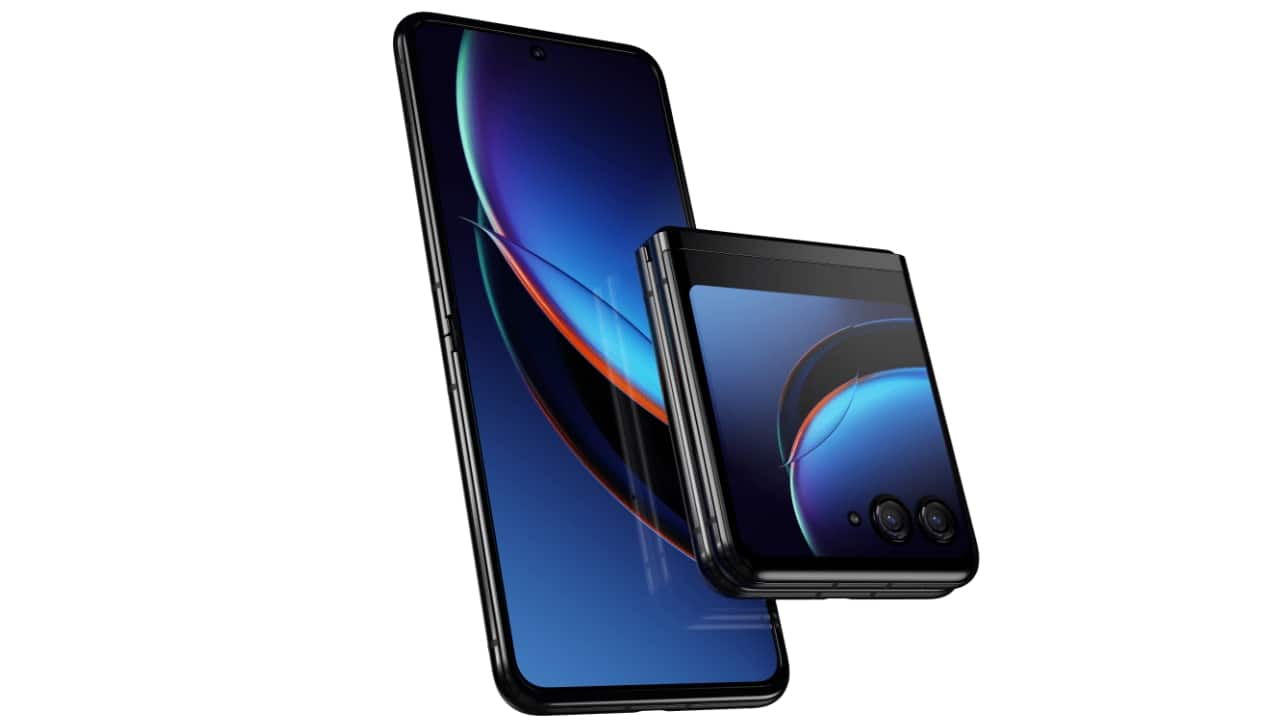
The next wave of smartphones is expected to be dominated by devices with large, flexible displays. Industry analysts say that by 2026 these big‑screen foldables could outsell the popular flip‑style phones that have been strong sellers for years.
Recent market reports show a steady rise in the share of foldable phones. While early models were expensive and fragile, newer generations have become more affordable and durable. Sales data from the past twelve months indicate a 35 % increase in foldable shipments, outpacing the growth of traditional slab phones and narrowing the gap with flip models.
The shift is not limited to a single region. Consumers in North America, Europe, and Asia‑Pacific are all showing a growing interest in larger foldables. In markets where premium smartphones have long been the norm, the appeal of a device that can expand into a tablet‑size screen is driving higher conversion rates.
Manufacturers have tackled the biggest hurdles that held back early foldables: hinge reliability, screen durability, and battery life. New hinge designs use reinforced alloys and patented spring mechanisms that can endure thousands of folds without noticeable wear. At the same time, ultra‑thin glass layers protect the display from scratches while maintaining flexibility.
Battery technology has also improved. Engineers have integrated larger cells and more efficient power management software, allowing a fully opened device to run for a full day of mixed usage. This addresses a common criticism that foldables drain power faster than conventional phones.
Software support is another key factor. Operating systems now include native multitasking features that treat the unfolded screen like a small desktop. Users can open multiple apps side by side, drag and drop content, and even use a stylus for note‑taking. These capabilities make the large foldable a compelling productivity tool, not just a novelty.
Surveys reveal that consumers value the versatility of a big screen that can be folded into a pocket‑friendly size. Young professionals cite the ability to edit documents, watch videos, and browse the web on a single device as a primary reason for purchase. Older users appreciate the larger font and clearer visuals when the device is opened.
Price sensitivity remains a concern, but the price gap is narrowing. Entry‑level foldables now start around $700, compared with $400‑$500 for many flip phones. As production scales and component costs fall, analysts expect the average price to drop further, making the technology accessible to a broader audience.
Impact on the Industry
If big‑screen foldables surpass flip phones, the ripple effect will be felt across the entire mobile ecosystem. App developers will need to optimize interfaces for larger, dynamic screens. Accessory makers are already designing new cases, docks, and stylus pens tailored to the unique form factor.
Telecommunications providers may adjust data plans to accommodate higher usage patterns. The larger display encourages more video streaming and gaming, which could increase network demand, especially in regions rolling out 5G.
Manufacturers that have invested heavily in flip‑phone technology might shift resources toward foldable research and production. This could accelerate the consolidation of the market, with a few leading brands capturing the majority of sales.
The projection for 2026 is based on current growth rates and the rollout of next‑generation models slated for release in the next two years. Companies plan to launch devices with 7‑inch unfolded screens, under‑display cameras, and even more robust hinges.
Regulatory bodies are also paying attention. Standards for durability testing and recycling of flexible components are being discussed, which could influence how quickly manufacturers bring new products to market.
For consumers, the trend promises a single device that can replace both a phone and a tablet. That convenience, combined with improving affordability, suggests that large foldables could become the default choice for many buyers.
The coming years will reveal whether the market shift is a passing phase or a lasting transformation. If the current trajectory holds, the smartphone landscape will look very different by the mid‑2020s, with big‑screen foldables leading the charge.