Bharat Taxi officially launching today, will take on Uber and Ola with Govt-backed cooperative model
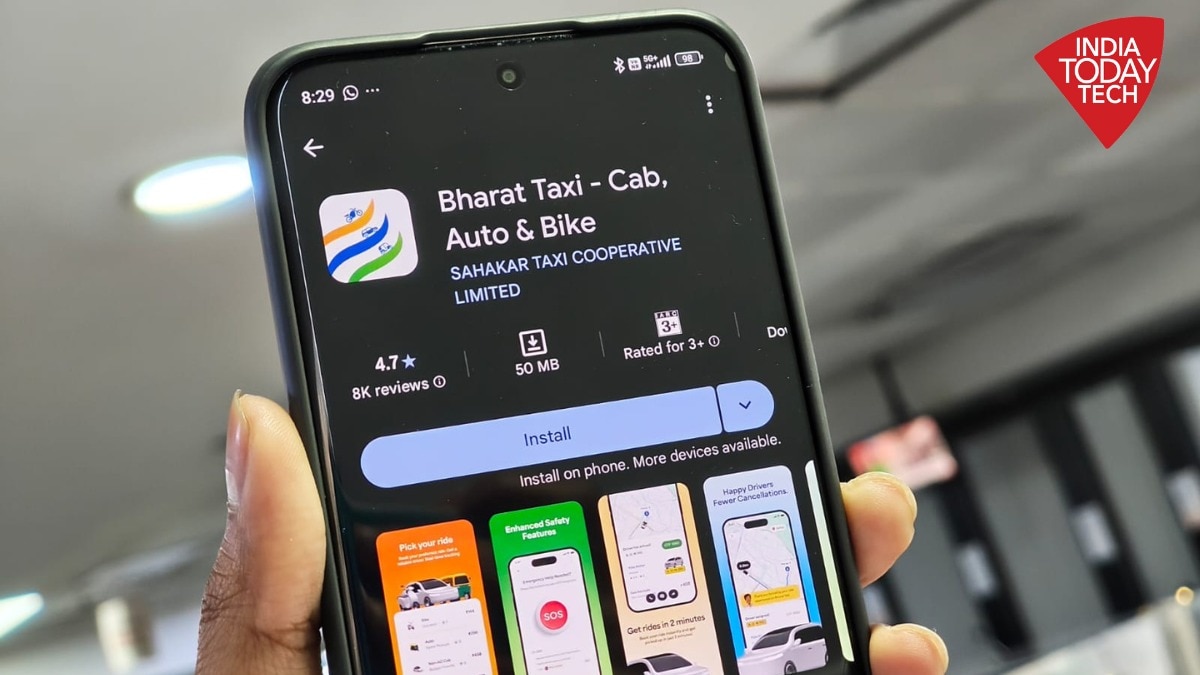
India’s ride‑hailing sector got a new player today as Bharat Taxi officially opened its doors to passengers across major cities. Backed by the central government, the service promises lower fares, stricter safety standards, and a focus on local drivers. The launch marks the first large‑scale, state‑supported entry into a market long dominated by private firms such as Uber and Ola.
The Ministry of Road Transport and Highways announced a partnership with the newly formed Bharat Taxi Ltd., a joint venture that includes several public sector enterprises. The government’s involvement is not limited to financial investment; it also provides regulatory support, a dedicated fleet of electric vehicles, and a platform for driver training. Officials say the move aims to address concerns over driver earnings, passenger safety, and the environmental impact of conventional taxis.
Ride‑hailing in India grew rapidly over the past decade, driven by smartphone penetration and urbanization. Uber and Ola together command more than 80 % of the market, offering a range of services from budget rides to premium cars. Critics have pointed out that the two companies often operate with thin profit margins, relying on heavy subsidies and aggressive pricing to stay ahead. At the same time, drivers have voiced worries about income volatility and lack of benefits.
Bharat Taxi’s entry is positioned as a corrective force. By leveraging government subsidies and a fleet of electric cars, the company aims to keep prices competitive while ensuring drivers receive a guaranteed minimum wage. The service also integrates a real‑time monitoring system that records trip data, helping regulators enforce safety standards.
What Sets Bharat Taxi Apart
1. Price Stability – The platform uses a fixed‑rate model for short‑distance trips, reducing the price swings that often occur during peak hours. This approach is designed to protect both passengers and drivers from sudden fare hikes.
2. Driver Welfare – Every driver must complete a government‑approved training program that covers road safety, customer service, and basic vehicle maintenance. After certification, drivers receive a health insurance package and a pension contribution from the company.
3. Electric Fleet – Approximately 60 % of the initial fleet consists of electric vehicles (EVs) supplied by state‑run manufacturers. The government has pledged to install charging stations at major transit hubs, aiming to cut urban emissions and lower operating costs.
4. Data Transparency – Trip data is anonymized and shared with a public dashboard, allowing citizens to see average wait times, fare trends, and safety incidents. This level of openness is rare in the sector and could set a new benchmark for accountability.
The launch of a government‑backed ride‑hailing service is drawing attention beyond India’s borders. Analysts note that many emerging markets face similar challenges: balancing rapid digital growth with driver rights and environmental goals. If Bharat Taxi can demonstrate a sustainable business model, other countries may consider public‑private partnerships as a viable alternative to fully private platforms.
In addition, the emphasis on electric vehicles aligns with worldwide efforts to reduce carbon footprints. By integrating EVs at scale, Bharat Taxi provides a real‑world case study for how ride‑hailing can support national climate commitments. International investors are watching closely, as success could unlock new funding streams for green mobility projects.
The next few months will be critical for Bharat Taxi’s market penetration. Early adoption rates will depend on the company’s ability to attract drivers away from established platforms and to convince passengers that the service is reliable and affordable. The government has pledged to offer a limited subsidy on rides for the first six months, a move that could accelerate user acquisition.
Challenges remain. Competing firms have deep pockets and may respond with aggressive discounting or new features. Moreover, scaling the electric fleet requires a robust charging infrastructure, which is still under development in many cities. Any shortfall could affect service reliability and public perception.
Nevertheless, the launch signals a shift in how India approaches digital transportation. By placing the public interest at the core of its strategy, Bharat Taxi could reshape the competitive dynamics of the sector. If the model proves profitable, it may encourage further state involvement in other tech‑driven services, from food delivery to logistics.
Bharat Taxi’s debut adds a new dimension to India’s ride‑hailing ecosystem. Backed by government resources and focused on driver welfare, passenger safety, and environmental sustainability, the service aims to challenge the dominance of Uber and Ola. Its performance will be watched closely by policymakers, industry players, and observers around the world, all eager to see whether a publicly supported platform can thrive in a market long ruled by private giants.