PMO to move out of South Block on Makar Sankranti, a first since Independence
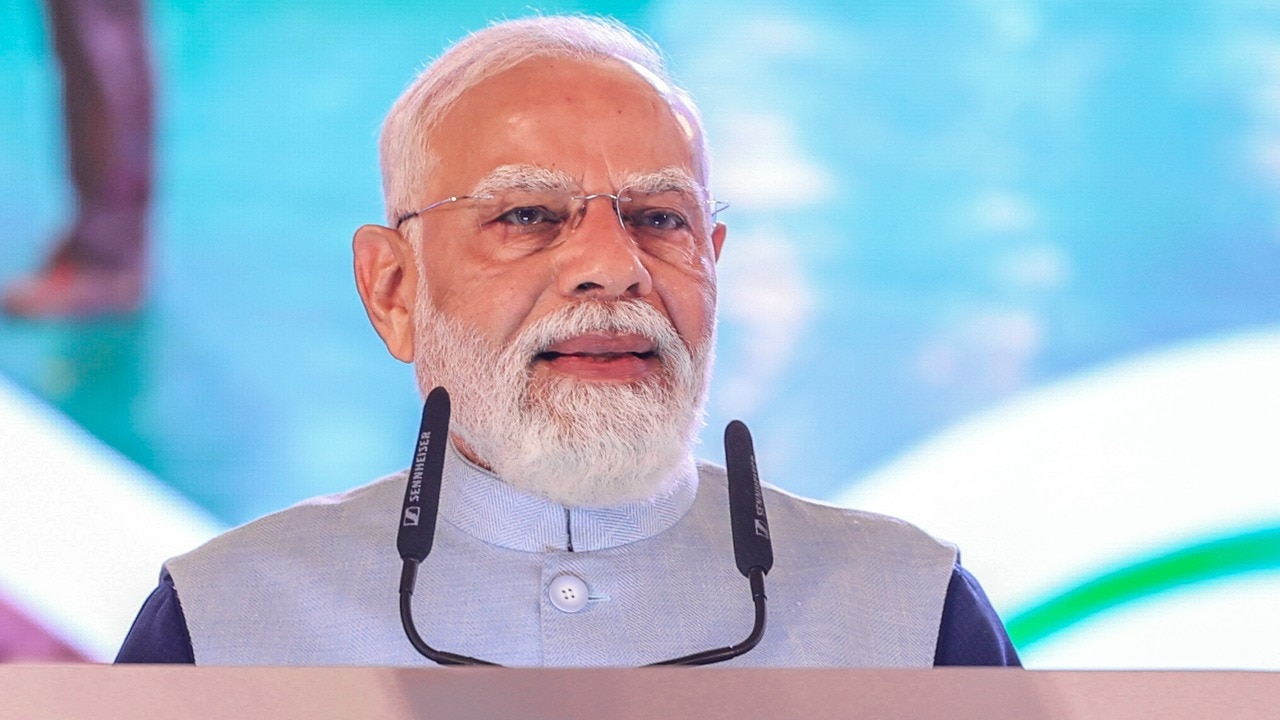
Prime Minister Narendra Modi will begin work from a new headquarters tomorrow, as the Prime Minister's Office (PMO) officially shifts to the Seva Teerth complex in New Delhi. The move marks the first time the nation’s top executive office has left its long‑standing home in the historic South Block of the Secretariat building.
Why the change matters
The relocation is more than a change of address. It reflects a broader push for modernization, tighter security and a symbolic break from the colonial‑era architecture that has housed India’s leadership since independence. By moving to a purpose‑built, technologically advanced campus, the government signals its intent to streamline decision‑making and present a forward‑looking image to both citizens and foreign partners.
A brief history of the PMO
For over seven decades, the PMO operated out of South Block, a building that also hosts the Ministry of Defence. The space, while iconic, has been described by officials as cramped and outdated for the demands of 21st‑century governance. Over the years, several ministries have migrated to newer complexes, but the prime minister’s office remained in place, largely due to tradition and the symbolic weight of the location.
Seva Teerth is a sprawling government‑owned campus situated on the outskirts of the capital’s diplomatic enclave. Designed with sustainability in mind, the complex features solar panels, rain‑water harvesting systems and smart‑building technologies that allow for real‑time monitoring of energy use. Inside, the PMO will occupy a series of interconnected blocks that house meeting rooms, a press briefing hall, secure communications suites and a dedicated media centre.
Security experts note that the new site offers a layered defence architecture, including underground vaults, controlled entry points and advanced surveillance. The shift also eases congestion in the central security zone around South Block, allowing law‑enforcement agencies to allocate resources more efficiently.
Political analysts say the move could have a calming effect on the often‑crowded corridors of power in New Delhi. "A purpose‑built environment reduces the friction that comes from sharing space with other ministries," one senior bureaucrat explained. Opposition leaders, while acknowledging the practical benefits, have cautioned that the government must ensure transparency in the use of public funds for the new facility.
Public sentiment appears mixed. Some citizens view the relocation as a necessary upgrade, while others fear that moving away from the historic heart of the nation may erode a sense of continuity. Social media commentary reflects both pride in the modern infrastructure and nostalgia for the familiar silhouette of South Block.
International implications
Foreign diplomats have taken note. The Seva Teerth campus sits close to the existing diplomatic quarter, shortening the distance between the PMO and foreign embassies. This proximity could facilitate quicker, more informal interactions between Indian officials and their overseas counterparts, potentially accelerating negotiations on trade, climate and security.
"The new address signals India’s readiness to engage on a more contemporary platform," said a senior analyst at a European think‑tank. "It also underscores the country’s commitment to sustainable development, a theme that resonates globally."
The shift may also affect protocol for visiting heads of state. Traditional state visits have often included tours of the historic Secretariat. With the PMO now housed in a modern complex, future itineraries might incorporate a showcase of India’s technological ambitions alongside its cultural heritage.
Economic and administrative impact
Construction of the Seva Teerth complex was funded through a mix of central allocations and public‑private partnership models. Officials claim the project generated thousands of jobs during its building phase and will continue to support a sizable workforce for maintenance and security.
From an administrative standpoint, the new layout is designed to reduce the time spent moving between departments. Dedicated corridors link the PMO directly to the Ministry of Home Affairs, the Ministry of External Affairs and the National Security Council. This physical closeness is expected to speed up the circulation of confidential documents and enable rapid response during crises.
Observers suggest the relocation could be the first step in a broader re‑imagining of how the Indian government operates. Plans are already underway to digitise more of the PMO’s archival records, introduce AI‑driven briefing tools and expand remote‑working capabilities for senior officials.
If successful, the move may set a precedent for other ministries to follow suit, gradually creating a network of modern campuses across the capital. Such a transformation could improve overall efficiency, reduce bureaucratic bottlenecks and present a unified, high‑tech image to the world.
Transitioning an entire executive office is a complex logistical task. Staff must adapt to new security protocols, IT systems and commuting patterns. There is also the risk that the symbolic weight of the old location could be lost, potentially affecting the perceived gravitas of the prime minister’s office.
Critics warn that the government must remain vigilant against any perception that the move is a vanity project. Transparent reporting on the costs, timelines and expected benefits will be essential to maintain public trust.
The PMO’s relocation to Seva Teerth represents a tangible shift toward modernization, security and operational efficiency. While the historic South Block will continue to stand as a reminder of India’s past, the new address points to a future where governance is aligned with contemporary standards and global expectations. How smoothly the transition proceeds, and whether the anticipated benefits materialise, will be closely watched by citizens, policymakers and international partners alike.